-
How We Misunderstand the Magnitude of Climate Risks – and Why That Contributes to Controversy
›
For years, analysts have disputed the extent of climate change’s role in conflict. But the nature of climate risks can stifle those looking to define them.
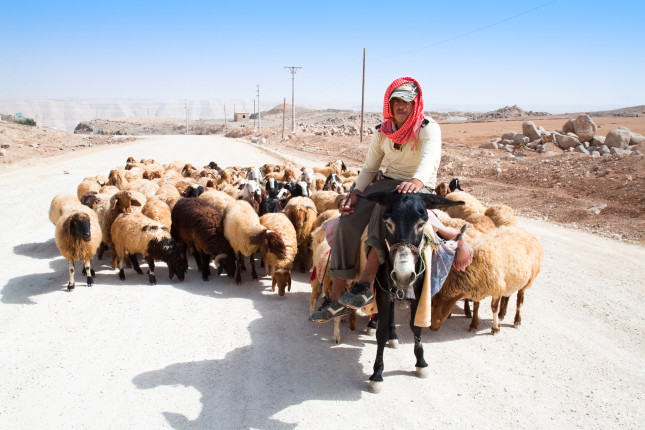
The Syrian civil war has raged for almost a decade now, and in the climate security community it can feel as if we’ve spent at least that long arguing about its causes. For every claim about the impact of extreme drought in the lead up to 2011, there’s been blowback, with some scholars arguing that the climate angle has been exaggerated at the expense of other causes of the conflict. And for every argument about rural-to-urban migration, there have been suggestions that its impact in precipitating protests has been overstated. Amid some overly forceful media assertion about the significance of climate change—and valid fears that invoking the environment might be seen as absolving guilty parties, despite efforts to highlight the regime’s ultimate culpability—climate security analysts have struggled to fully pinpoint climate’s precise contribution to the conflict. Cue uncertainty, controversy, and sometimes fierce academic polemics.
-
Michael Standaert, Ensia
How effective are China’s attempts to reduce the risk of wildlife spreading disease to humans?
›
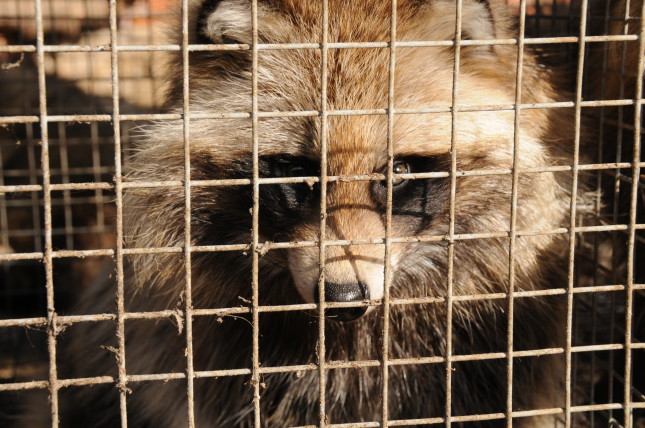
Nearly a year ago, somewhere in China, a previously unknown virus made its way from a wild animal into a human host. There it found not only a hospitable home, but also an opportunity to spread trillions of copies of itself, eventually replicating to become the global Covid-19 pandemic.
That outbreak, now having infected more than 46 million people around the world, has been the impetus for a series of actions taken by the Chinese government to — in theory — get a handle on zoonotic disease outbreaks now and in the future.
-
Climate Change Will Make the Brazilian Military’s Role More Difficult, Finds New Report
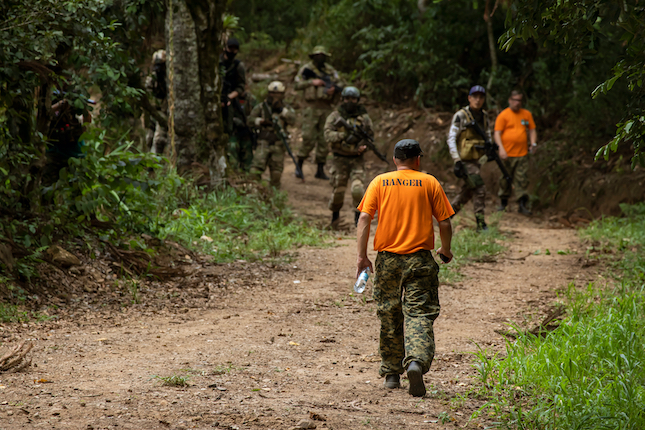
›“It is in Brazil’s interest to climate-proof the nation,” said Wilson Center Senior Fellow Sherri Goodman during a recent International Military Council on Climate and Security (IMCCS) event. Referencing a new IMCCS report, Climate and Security in Brazil, Goodman, who is also Secretary General for the IMCCS, said that Brazilian leaders ought to develop counter-deforestation and climate plans as critical elements of the national security agenda.
-
How U.S. Arctic Policy and Posture Could Change Under President-elect Biden
›Truth, trust, and transparency are key aspects to sound and sustainable governance of the Arctic, said Ulf Sverdrup, Director of the Norwegian Institute of International Affairs. He was one of a panel of experts who spoke on Nov. 30 at “The Arctic in a Post-Election World,” the first event in a two-part series sponsored by the Wilson Center’s Polar Institute.
-
New Constitution Could Help Chile Avert the Lithium Curse
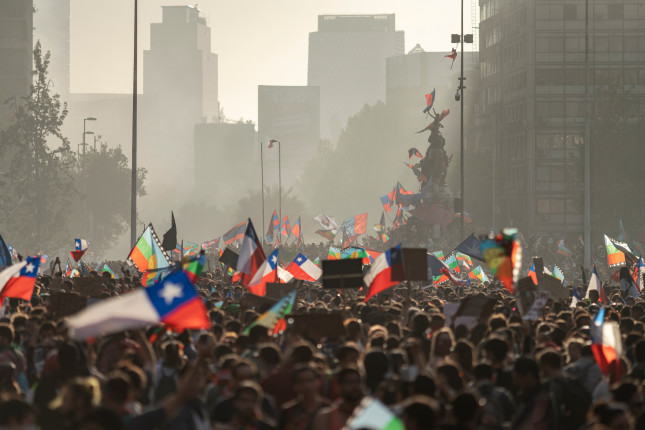
›December 3, 2020 // By Matthew GallagherChile is on the cusp of a new era. Just as its lithium—a common element of energy storage technology, which is itself a critical component of the clean energy transition—is experiencing a rise in global market demand, Chilean citizens have called for a new constitution.
-
Climate War in the Sahel? Pastoral Insecurity in West Africa Is Not What It Seems
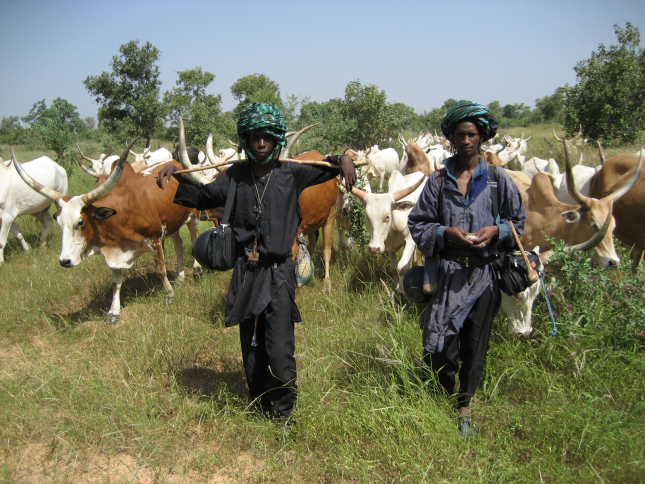
›As violence in Mali and Burkina Faso reached a ten-year high this year, the West African Sahel appears to be experiencing the perfect storm of climate stress, resource degradation, and violent extremism. At the center of that storm, one finds livestock herders—pastoralists—who are both vulnerable to environmental changes in the region, and historically marginalized from politics. Conflict in the region looks like a harbinger of the climate wars to come—but is it really? In research produced for Search for Common Ground, Andrew McDonnell and I found that while competition for land and water resources has increased dramatically across the region, violence associated with pastoralism emerges from a much more complex set of factors. Not surprisingly, the decisive conflict variable is governance.
-
Interdisciplinary Solutions Will Improve Alaska Native Maternal Health (Part 2 of 2)
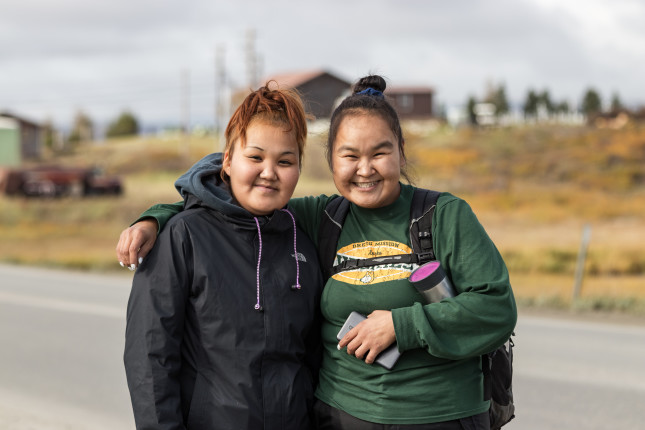
›Dot-Mom // Navigating the Poles // November 18, 2020 // By Deekshita Ramanarayanan, Michaela Stith, Marisol Maddox & Bethany JohnsonThe United States is in the midst of a maternal health crisis. Indigenous and Alaska Native peoples are 2.3 times more likely to die from pregnancy-related complications than their white counterparts. In Alaska, unequal socio-economic status, lack of access to hospitals and quality health services, systemic racism, and a history of colonization drive these disparities in maternal health outcomes. “Weathering”—the deterioration of communal health outcomes caused by persistent socio-economic disadvantages—contributes to many poor maternal health outcomes for Alaska Native women. On top of these systemic problems, climate change impacts threaten to widen the existing disparities for Alaskan Native women.
-
Sharon Guynup, Mongabay
Brave New Arctic: Sea ice has yet to form off of Siberia, worrying scientists
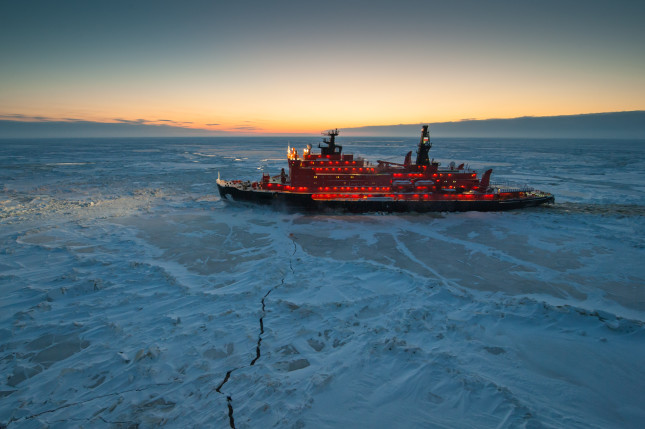
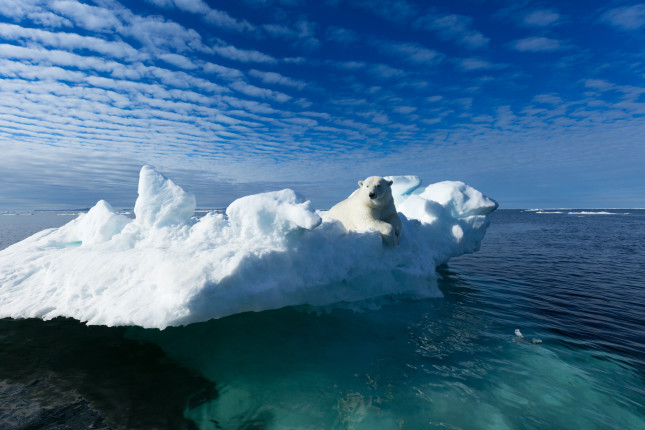
›At this time of year, in Russia’s far north Laptev Sea, the sun hovers near the horizon during the day, generating little warmth, as the region heads towards months of polar night. By late September or early October, the sea’s shallow waters should be a vast, frozen expanse.
But not this year. For the first time since records have been kept, open water still laps this coastline in late October though snow is already falling there.
Showing posts from category environment.