-
Grassroots Action to Combat Plastics in Asian Rivers: A Conversation with ECOTON Founders Daru Setyorini and Prigi Arisandi
›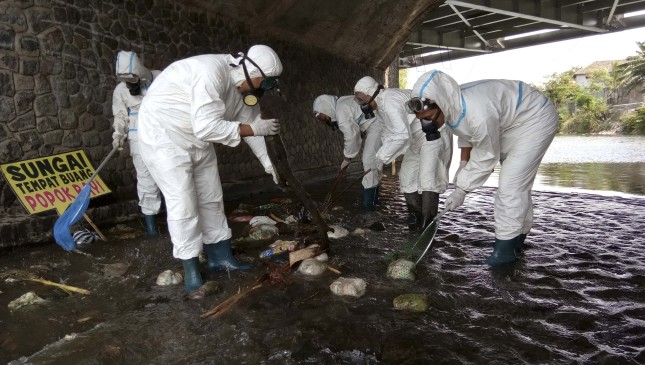
In Sidoarjo City, Indonesia, student river detectives catalog the microplastics they sample from the Brantas River, the longest river in East Java. Plastic waste threatens this water that seventeen million people depend on for drinking water, fishing, and irrigation. Daru Setyorini and her team from ECOTON (Ecological Observation and Wetlands Conservation) organized this program to educate youth and inform policymakers on the scope of the problem.
-
Recommendations for the Biden Administration on Climate Migration
›
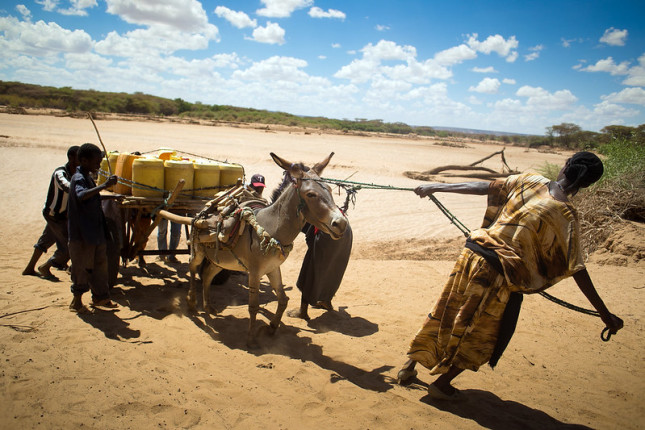
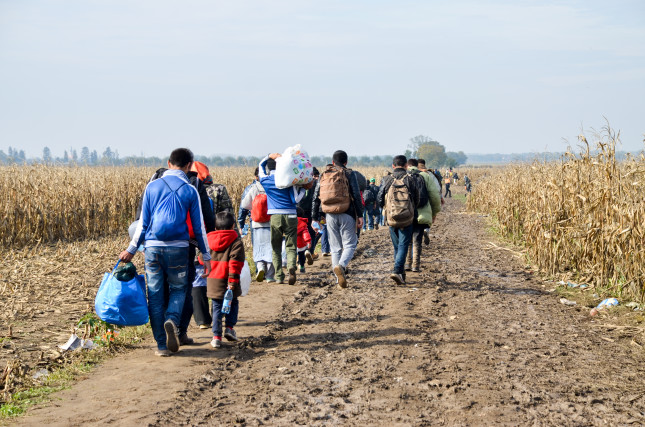
“There is little doubt that tens of millions of people will be displaced over the next two to three decades due in large measure by disaster and other environmental changes affected by climate, with the majority displaced within the borders of their own countries. The United States has a special responsibility to lead on issues of climate change, migration, and displacement,” said Eric Schwartz, President of Refugees International, at a recent event presenting a Blue-Ribbon Task Force report on climate change and migration.
-
John Scanlon on the Case for Criminalizing Wildlife Trafficking under International Law
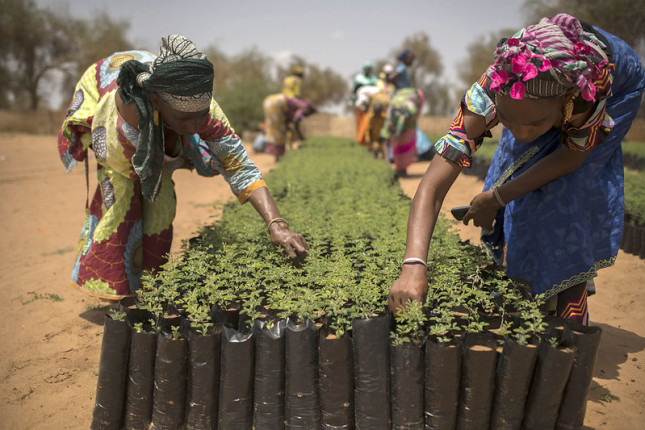
›“The world is still feeling the full brunt of the COVID-19 pandemic which most likely had its origins in a wild animal,” says John Scanlon AO, Former Secretary-General of CITES (the Convention on International Trade in Endangered Species of Wild Fauna and Flora) and Chair of the Global Initiative to End Wildlife Crime, in this week’s Friday Podcast. Scanlon spoke at a recent Wilson Center event on the connections between wildlife crime, human health, and security.
-
The Top 5 Posts of June 2021
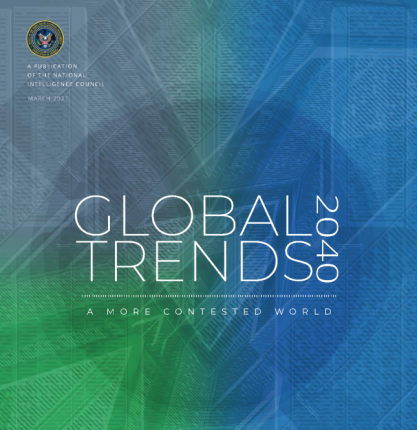
›In our top post for June, Steve Gale shares 5 consequences out of the National Intelligence Council’s recently released Global Trends report that development actors should be particularly attuned to. In addition to the “long tail” of the COVID-19 pandemic, the report recognizes the environmental consequences of climate change, including unprecedented numbers of wildfires, increased intensity of tropical storms, and sea-level rise. As a result, migration will be more pronounced and require more targeted aid approaches as demographics shift.
-
Local Environmental Governance to Reduce Conflict and Deforestation in Afghanistan
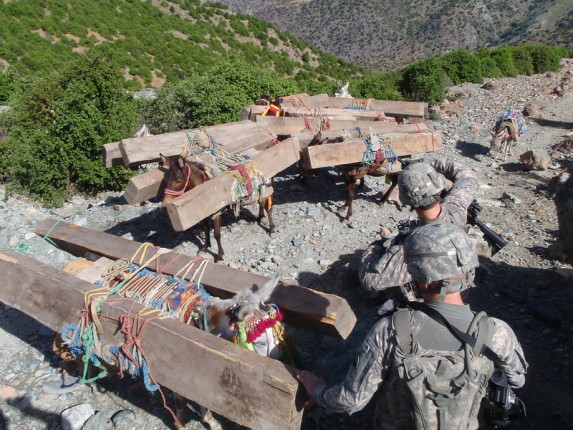
›How should the international community support the stabilization of Afghanistan after U.S. and NATO troops withdraw? Answers from President Biden, high ranking U.S. administration officials, and lawmakers have focused on funding the Afghan military and police and remotely retaining U.S. lethal capacity. Development aid is mentioned only in the vaguest of terms. But as withdrawal plans solidify, peace and resilience against insurgencies urgently require the administration to shift the focus to development and include support for local environmental governance. Looking at how crucial forests are to Afghanistan’s local economy and governance systems, we sketch the resource-conflict links and propose possibilities for local, environmental governance that the international community could support to quell insurgency and build the political, economic, and environmental foundations for peace in the country.
-
Benjamin Pohl, Climate Diplomacy
Sustaining a climate for peace
›June 14, 2021 // By Wilson Center Staff -
From Rhetoric to Response: Addressing Climate Security with International Development
›Over the past decade, our understanding of how climate change affects conflict and security has advanced considerably. Yet, how to best address the overlapping challenges of climate change, conflict, and human security remains an open question. In an article published in World Development, I address this topic by examining how climate security discourses inform development policy and, in turn, how the structures of development enable or constrain institutional capacity to address climate security. This research identifies not only the unique barriers the development sector must overcome, but also the ways in which the most common framings of climate change (i.e., as a threat multiplier) limit the scope for policy and programming.
-
A Conflict Prevention Agenda Should Inform Climate Change Actions in Africa
›In Africa, climate change and population expansion are increasing fragilities and vulnerabilities—including contributing to conflict dynamics—for many people who directly depend on nature. To cope with how their environment can no longer supply livelihood needs, people are migrating in search of security or economic stability. These factors interact with one another in ways that underline the need for inclusive conflict mitigation considerations in climate change action.
Showing posts from category environment.
 “The world is still feeling the full brunt of the COVID-19 pandemic which most likely had its origins in a wild animal,” says John Scanlon AO, Former Secretary-General of CITES (the Convention on International Trade in Endangered Species of Wild Fauna and Flora) and Chair of the Global Initiative to End Wildlife Crime, in this week’s Friday Podcast. Scanlon spoke at a recent Wilson Center event on the connections between