-
Climate Priorities in the Middle East and North Africa: Takeaways from a New Occasional Paper
›
In a new Occasional Paper published by the Wilson Center’s Middle East Program and ECSP, journalist Taylor Luck examines the climate priorities of wealthy and middle-income countries in the Middle East and North Africa (MENA). Luck analyzes the policies adopted by MENA states, highlighting gaps and offering recommendations to strengthen climate action in a region strained by both instability and climate change.
-
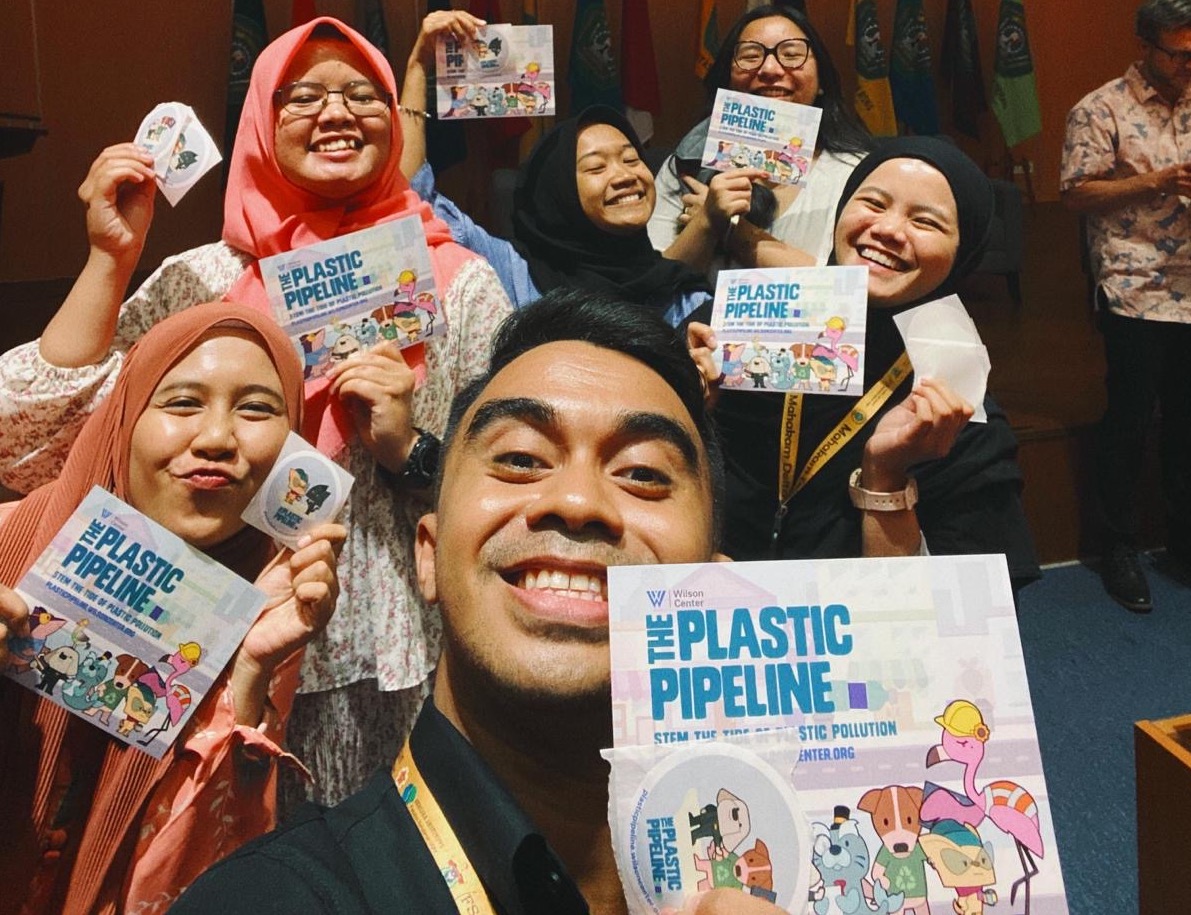
The Power of Play with The Plastic Pipeline
›
During a visit to Vietnam in November 2023, I cringed as my aunt tossed our now empty bánh mì plastic bag onto the sidewalk. “It doesn’t really matter,” she shrugged, “there aren’t any nearby trash cans anyway.” Finding a trash can wouldn’t have helped much, as two-thirds of Vietnam’s plastic waste ends up burnt, landfilled, or leaked.
-
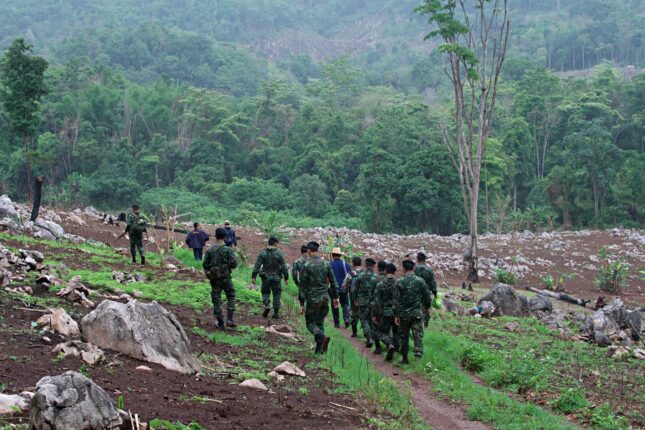
Beyond Complicity, Obstruction and Geopolitics: Military Forces and Climate Security
›The contentious and ambiguous entanglement that military forces have with their natural environment inevitably sparkles public interest and academic research. So how does the existing scholarly work inform our assessment of this convergence?
-
Thought-leaders and Frontline Workers in Environmental Peacebuilding: An Oral History | Dr. Erika Weinthal
›Environmental Peacebuilding Oral History // New Security Broadcast // April 12, 2024 // By Wilson Center Staff
Today’s episode of New Security Broadcast is hosted by ECSP in collaboration with the Environmental Peacebuilding Association as part of a special series: “Thought-leaders and Frontline Workers in Environmental Peacebuilding: An Oral History.” The series features interviews with academics, practitioners, and frontline workers to trace the history and evolution of the field of environmental peacebuilding.
-
ECSP Weekly Watch | April 8 – 12
›A window into what we are reading at the Wilson Center’s Environmental Change and Security Program
Cholera in Southern Africa Linked to Climate Threats (The New Humanitarian)
In Southern Africa, climate change is encouraging rural-to-urban migration that is also creating a public health crisis. Cholera outbreaks have infected 188,000 Southern Africans since 2022, with 4,100 deaths. Zambia currently faces the harshest impacts, with 705 reported deaths and 21,000 infections since October. Its president, Hakainde Hichilema, even called for citizens to move out of cities to prevent the spread of cholera in January—largely due to increasing concern of the diseases’ spread in informal settlements.
-
Green Collaboration: International NGOs and Chinese Partners Promoting Sustainable Overseas Investments
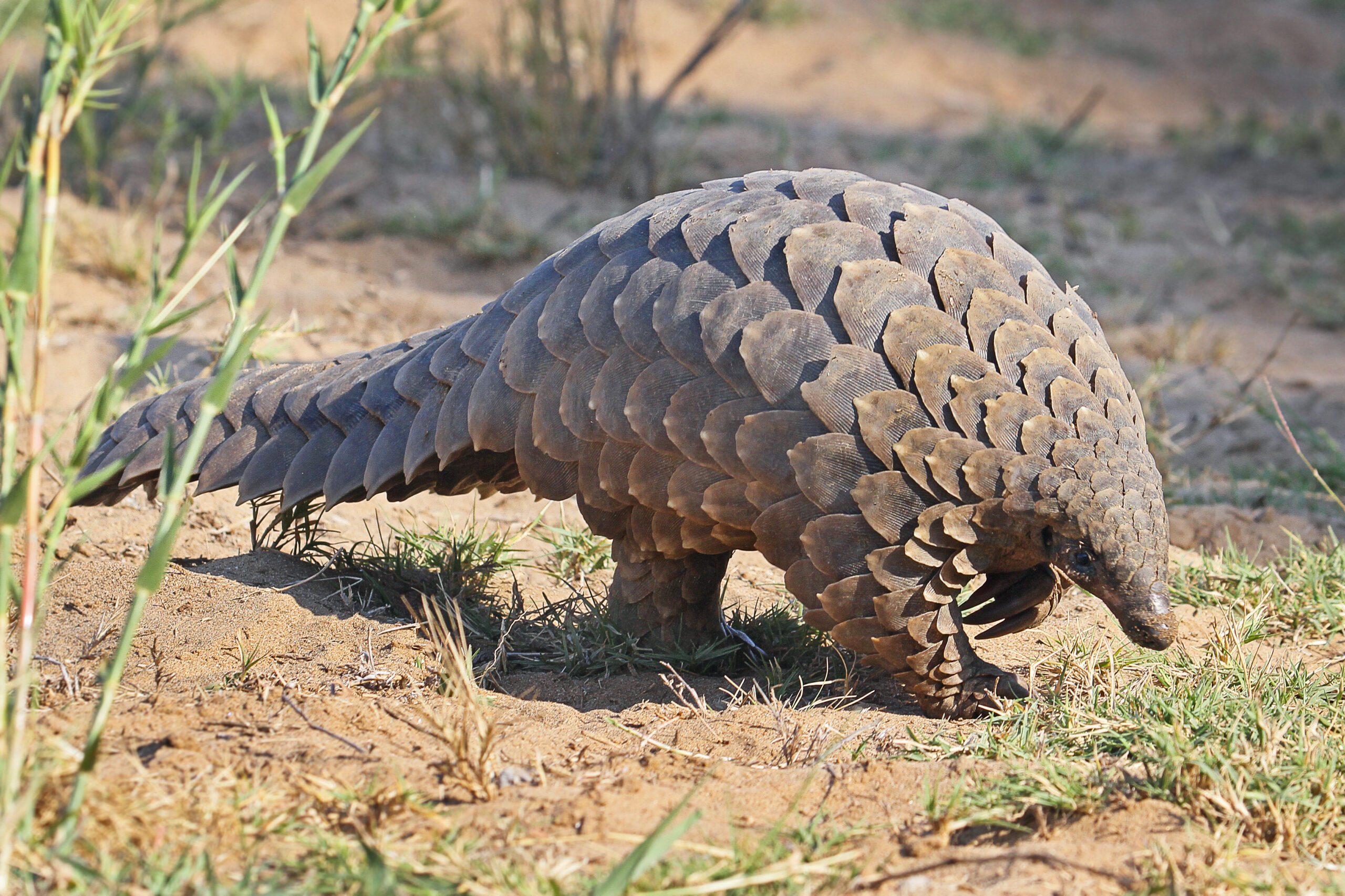
›China Environment Forum // Guest Contributor // Vulnerable Deltas // April 11, 2024 // By Elizabeth Planton, Wendy Leutert & Austin StrangeAround 8.5 million pangolins are estimated to have been trafficked from Africa between 2014 and 2021, with many ending up in China
In March 2019, the World Wide Fund for Nature (WWF) and China’s National Forestry and Grassland Administration co-hosted two workshops on reducing wildlife trafficking in Kenya and Botswana. These workshops, supported by the Chinese embassies in Nairobi and Gaborone, attracted over 200 Chinese nationals working for state-owned or private companies in the two countries. During the workshops, the international nongovernmental organizations (INGOs) and Chinese government officials expressed their shared goal of reducing the illegal trade of products from rare and endangered African species to China, one of the world’s largest markets for trafficked wildlife products.
-
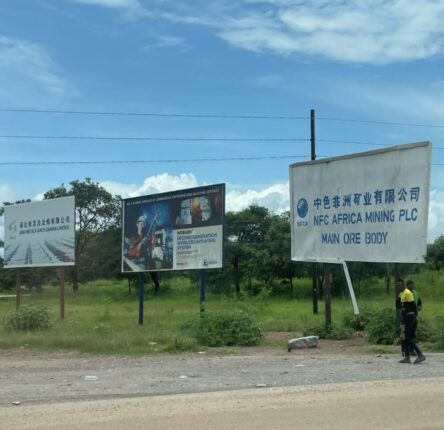
Americans Want to Challenge China’s Presence in Africa. They Could Start by Showing Up
›Zambia’s Copperbelt province is a microcosm of foreign investment on the continent.
Fly into Lusaka and marvel at the capital’s strikingly modern airport. Drive into town along a road as smooth as any American highway. Look left and notice a large white hospital complex. Glance right only a few minutes later to see the city’s impressive conference center with a “Golden Chopsticks” restaurant next door.
-
ECSP Weekly Watch: April 1 – 5
›A window into what we are reading at the Wilson Center’s Environmental Change and Security Program
Indonesia’s Deforestation Intensifies Extreme Weather Impacts (Associated Press)
Indonesia’s vast biodiverse forests have long sustained livelihoods, food supplies, medicine, and cultural practices. Yet the past seven decades have put them under threat. Since 1950, over 74 million hectares, or nearly 286,000 square miles, of rainforest has been logged, burned, or degraded. The country’s key industries—palm oil, paper, rubber, and mining for oil and critical minerals—are largely to blame. This is occurring in a specific context: Indonesia is not only one of the largest global CO2 emitters globally, but it is also highly vulnerable to climate change—particularly climate change-induced extreme weather events.
Showing posts from category environment.