

-
Environmental Journalists on the Frontlines of Democracy
›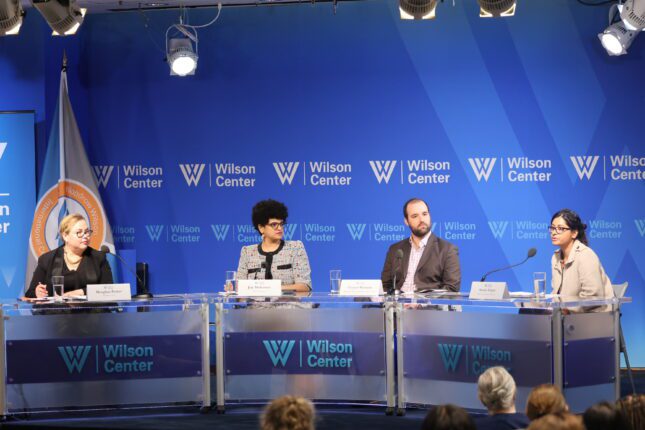
From record-breaking heat in 2023 to alarming levels of biodiversity loss, our global climate and environmental crises pose a growing threat to human and planetary wellbeing. But even as these crises intensify, the work of documenting them has itself become increasingly risky.
Across the world, threats and attacks against journalists who report on environmental degradation and investigate environmental crimes are on the rise. A recent UNESCO survey reported 300 attacks against environmental journalists in the last five years—a 42 percent jump from the previous 5-year period.
-
The Future of Central Asian Water Diplomacy
›
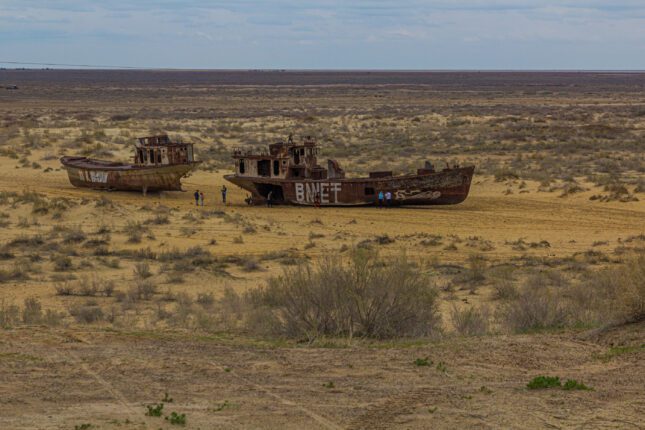
Central Asia is known for its rich mineral resources and oil reserves, and its unique geographic position between Russia, China, and Iran. But it is also beginning to position itself as a potential leader in water diplomacy. This June, policymakers, academics, and those in the private sector will convene in Tajikistan for the Dushanbe Water Process. In partnership with the United Nations, the country is hosting biennial conferences between 2018-2028; this June will mark the third international high level conference on the topic.
-
ECSP Weekly Watch | May 27 – 31
›A window into what we are reading at the Wilson Center’s Environmental Change and Security Program
Panama’s First Climate-Related Relocation
The Guna Indigenous people of Gardi Sugdub—an island in Panama’s San Blas Archipelago—are moving to new mainland homes in Carti Port’s Isber Yala neighborhood. This move is part of a larger relocation effort supported by the country’s government since 2010 to address the impacts of climate change on its indigenous peoples.
-
The US Department of Defense’s Role in Integrating Climate Change into Security Planning
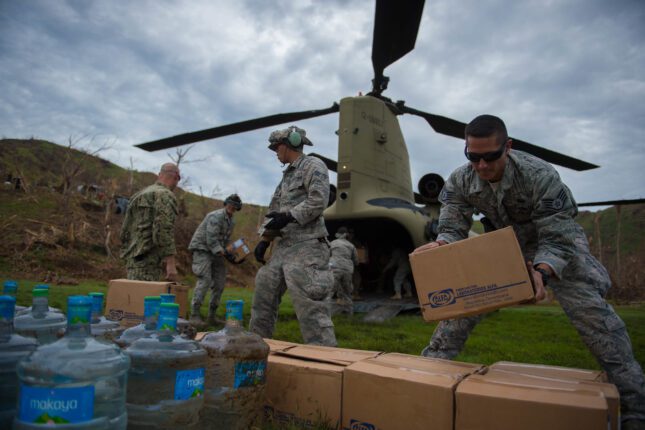
›The recent floods and landslides in Brazil, displacing almost 100,000 and killing at least 100, reminds us that climate change-fueled extreme weather, combined with an intense El Niño, is a deadly combination. Governor Eduardo Leite of the southern Brazilian province, Rio Grande du Sol, described the devastation the region was subjected to as “unprecedented.” As President Luiz Inacio Lula da Silva noted: “We need to stop running behind disasters. We need to see in advance what calamities might happen and we need to work.”
-
ECSP Weekly Watch | May 20 – 24
›A window into what we are reading at the Wilson Center’s Environmental Change and Security Program
Southern Africa’s Drought Offers a Window into the Region’s Climate Future
Southern Africa has been hit by one of its worst droughts in decades, and this calamity highlights the vulnerability of smallholder farmers who rely on rainfed agriculture. For the first time, farmers like Esnart Chogani, who works on a farm just outside Zambia’s capital, Lusaka, were unable to bring in a harvest. The region is normally a major exporter of maize, yet it now has begun importing the grain to meet demand.
-
Building a Response to Environmental Violence
›Human-produced pollution is the single leading cause of mortality today, yet it is not widely considered a form of violence. On July 28, 2022, the United Nations General Assembly (UNGA) voted—with 161 in favor and eight abstentions—that living in a clean, healthy, and sustainable environment is a human right. Building on a similar declaration by the United Nations Human Rights Council in October 2021, the UNGA has now reinforced the notion that the growing assaults on human health through environmental hazards are transgressions against the basic rights and freedoms of people. Efforts to create a human right to a healthy planet, and even a planetary right to health that would signifying potential rights of nature, are growing both in real activity and demand.
-
Integrating Climate, Peace, and Security in MENA Countries’ NDCs
›The potential threat climate change poses to peace and security is perhaps nowhere more apparent than in the Middle East and North Africa (MENA). Nationally Determined Contributions (NDCs) are one way MENA countries can address this compound risk.
-
The Arc | Dr. Mizan Khan on Loss and Damage and Bangladesh’s Role as a Climate Adaptation Leader
›In today’s episode of New Security Broadcast, ECSP’s Claire Doyle and Angus Soderberg speak with Dr. Mizan Khan, Technical Lead at the Least Developed Countries Universities Consortium on Climate Change. Dr. Khan was formerly the Deputy Director at the International Center for Climate Change and Development (ICCCAD), a research institute based in Bangladesh.Dr. Khan describes Bangladesh’s vulnerability to climate change and its unique role as an adaptation leader. He also discusses what he believes the core principles of the Loss and Damage Fund should be, and the legacy of the late Dr. Saleemul Huq.
Showing posts from category environment.


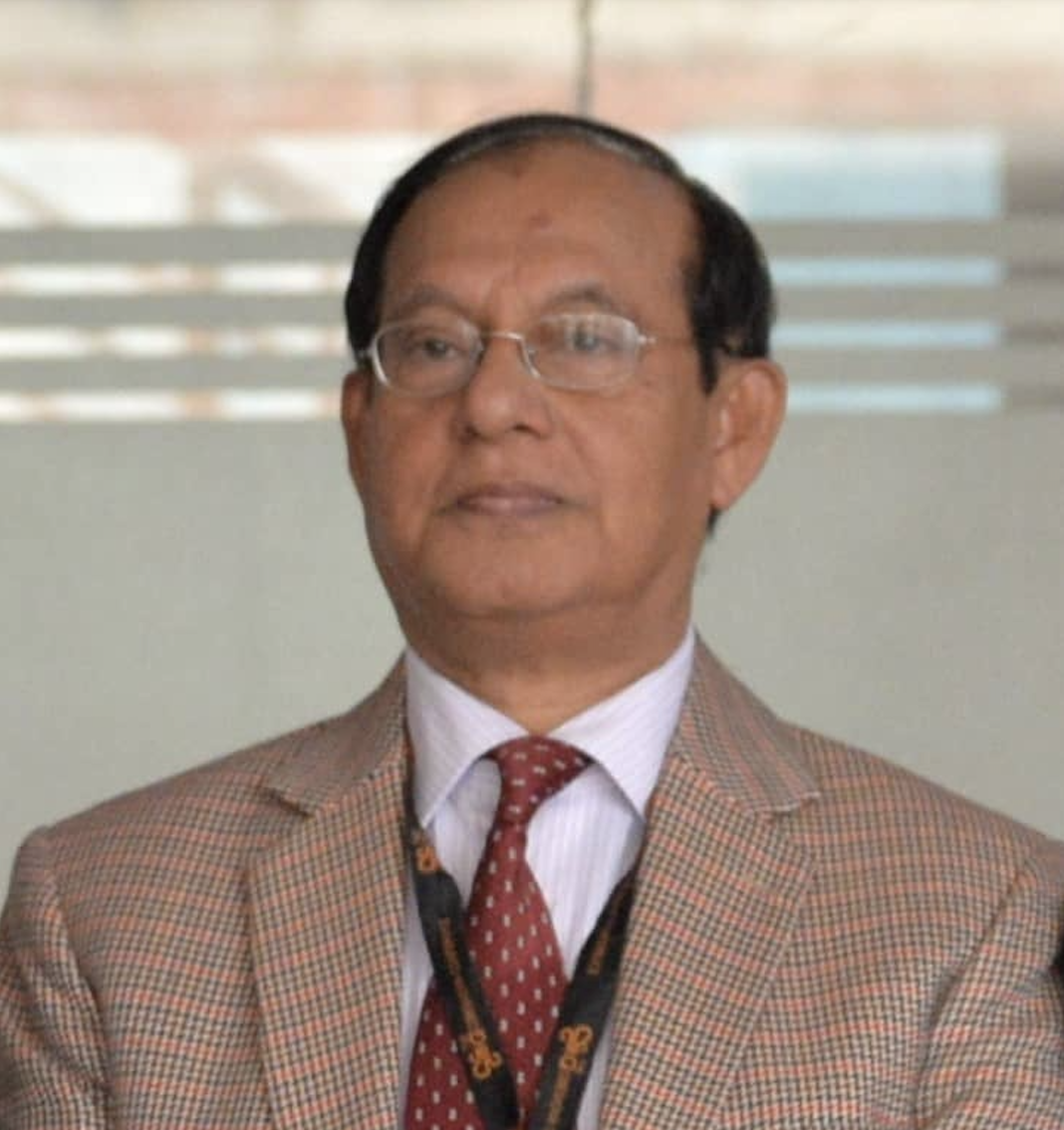 In today’s episode of New Security Broadcast, ECSP’s Claire Doyle and Angus Soderberg speak with Dr. Mizan Khan, Technical Lead at the Least Developed Countries Universities Consortium on Climate Change. Dr. Khan was formerly the Deputy Director at the International Center for Climate Change and Development (ICCCAD), a research institute based in Bangladesh.

