-
Water Is the Climate Challenge, Says World Bank
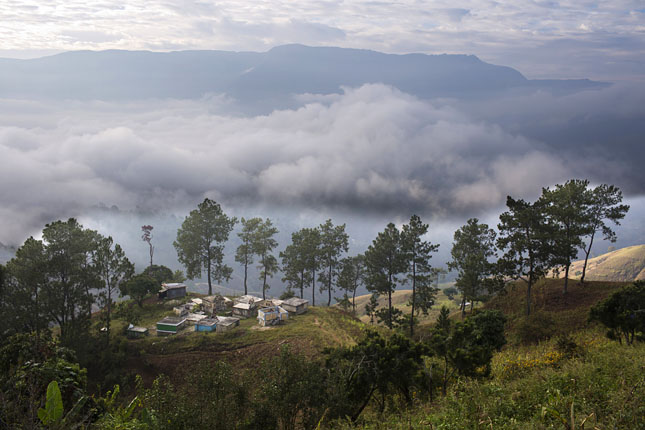
›May 6, 2016 // By Schuyler NullHow will climate change affect you? Probably through water.
That’s the major message of a new World Bank report that finds the ways governments treat water can have a profound effect on the economy.
-
Christine Parthemore, Center for Climate and Security
How Are Climate Plans Affecting Nuclear Security?
›May 5, 2016 // By Wilson Center Staff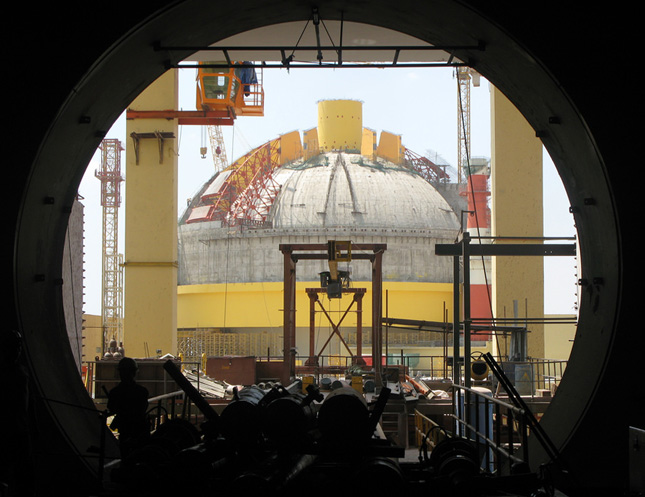
Today, new nations are pursuing civilian but dual-use nuclear capabilities, the threat of non-state actors seeking nuclear materials may be growing, and countries continue to debate proper ways to enhance nuclear safety, security, and nonproliferation systems to keep up with the pace of change. At the same time, governments worldwide are having difficulty managing the effects of a rapidly changing climate, such as more damaging natural disasters and resource stress. The relationships among nuclear, climate, and security risks are growing more complex and interconnected, and these issues are likely to begin converging in new ways. By early 2016, it has become clear that the international community must take a fresh look at the ways in which they are likely to connect and potentially collide in the years ahead, and foster deeper dialogue on what should be done about it.
-
Behind the Headlines, Emerging Security Threats in the Middle East
›
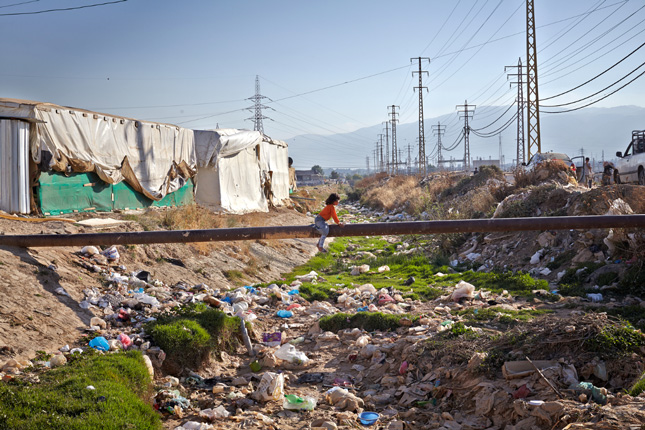
The Middle East, as much as ever, is the focus of international attention, but the obvious crises may be a distraction from deeper underlying issues.
-
South Sudan’s Broken Oil Industry Increasingly Becoming a Hazard
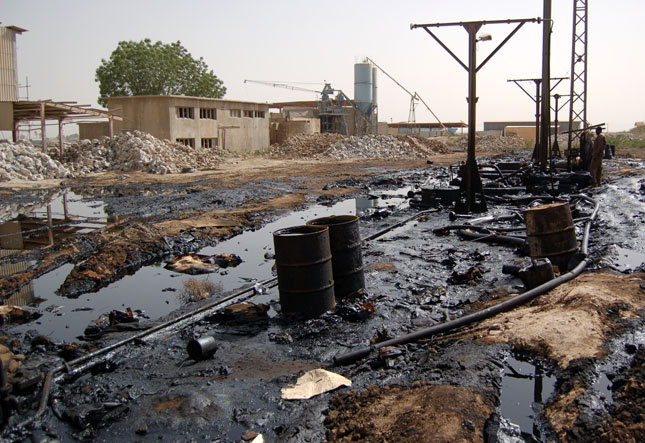
›The environment has long been a factor in violent conflict in South Sudan, especially with respect to control over oil. The first oil was discovered in 1999, and by 2007, hydrocarbons accounted for over 95 percent of Sudan’s income. South Sudan became independent in 2011 after years of war with the Sudanese government in Khartoum, intensified by local conflicts over access to oil-rich border areas. But beyond conflict, South Sudanese communities have also been ringing the alarm bell about pollution and health hazards caused by the oil industry.
-
Eric Holthaus, Ensia
New Rainfall Data: “Now, We Can Accurately Identify How Horrible Things Are”
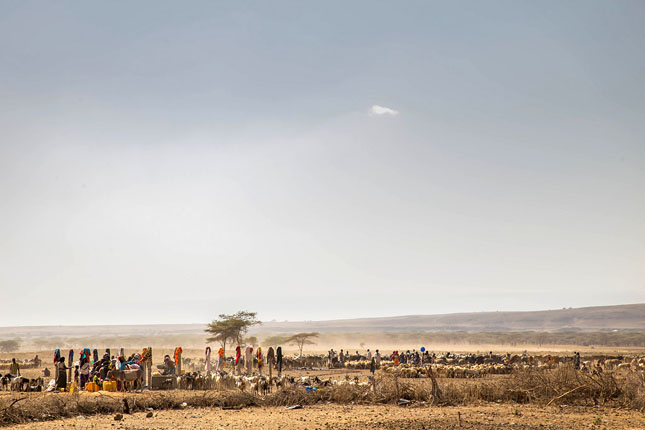
›April 28, 2016 // By Wilson Center StaffPeople in developed countries rarely think of weather in life-or-death terms. But millions in the developing world have no choice but to do so. The global rich have stable governments, savings accounts, insurance, and more to fall back on when disaster strikes. People in poorer countries don’t, so they’re often faced with tough decisions in times of drought: Sell the only ox for food and plow by hand next year? Take the kids out of school and put them to work chopping firewood for extra cash? Abandon the farm and family to look for work in the city?
-
How Effective Is the Extractive Industries Transparency Initiative? And a Transatlantic Food Security Strategy
›April 28, 2016 // By Gracie CookSovacool et al. in a study published in World Development compare the performance of the first 16 member countries of the Extractive Industries Transparency Initiative (EITI) to their performance before membership and to other non-member countries and find little difference in most governance and economic development categories. -
Pathways to Resilience: Evidence on Links Between Conflict Management, Natural Resources, and Food Security
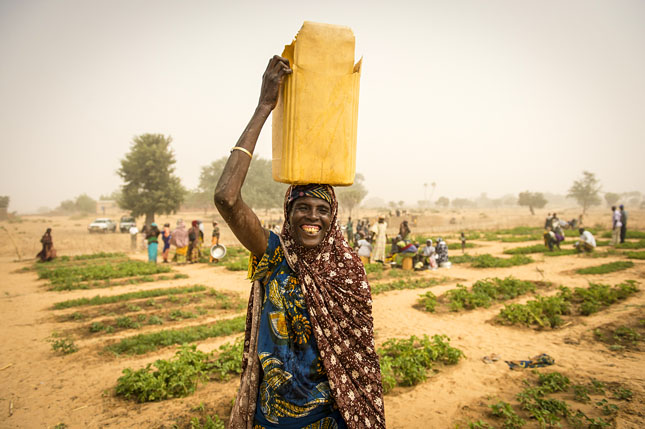
›In 2015, the NGO Mercy Corps released some surprising findings from conflict management programs in the Horn of Africa. Interventions from 2013 to 2015 focused on building community-level cooperation, strengthening institutions, and enhancing resilience. The results indicate that natural resource management can be a key governance pillar to build around and that such cooperation can strengthen household resilience to climate and food security shocks. [Video Below]
-
From Climate Challenge to Climate Hope: Embracing New Opportunities This Earth Day
›April 22, 2016 // By Roger-Mark De SouzaThis Earth Day, the United States, China, and Canada are among more than 170 countries expected to take part in the largest one-day signing of an international agreement in history. The ratification of the climate agreement hammered out at the Paris Conference of Parties (COP-21) last December could be the most significant elevation of environmental issues on the global stage yet.
Showing posts from category environment.