• woodrow wilson center
  • ecsp

New Security Beat

Subscribe:
  • rss
  • mail-to
  • Who We Are
  • Topics
    • Population
    • Environment
    • Security
    • Health
    • Development
  • Columns
    • China Environment Forum
    • Choke Point
    • Dot-Mom
    • Friday Podcasts
    • Navigating the Poles
    • Reading Radar
  • Multimedia
    • Water Stories (Podcast Series)
    • Backdraft (Podcast Series)
    • Tracking the Energy Titans (Interactive)
  • Films
    • Water, Conflict, and Peacebuilding (Animated Short)
    • Paving the Way (Ethiopia)
    • Broken Landscape (India)
    • Scaling the Mountain (Nepal)
    • Healthy People, Healthy Environment (Tanzania)
  • Publications
  • Events
  • Contact Us

NewSecurityBeat

The blog of the Wilson Center's Environmental Change and Security Program
Showing posts from category development.
  • Roudabeh Kishi, ACLED Project

    The Effect of Inequality on Conflict in Africa

    ›
    September 16, 2015  //  By Wilson Center Staff
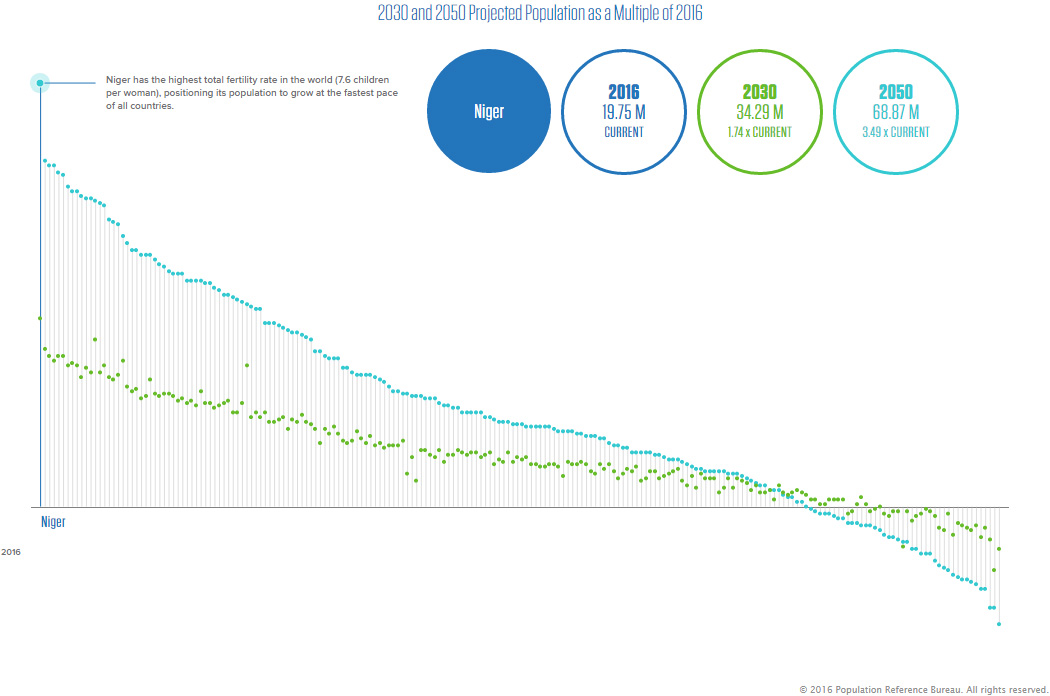
    Inequality-Figure1-September-2015

    The original version of this article, by Roudabeh Kishi, appeared on the Armed Conflict Location and Event Data Project (ACLED).

    Many have noted inequality as fuel for conflict. It can serve to exacerbate grievances amongst those who have less within unequal contexts, which can in turn serve as a mobilizing factor in fueling violence. Alternatively, it can make the “prize” of conflict larger – within the most unequal societies, the poor have less to lose and more to gain.

    MORE
  • As Droughts, Floods, Die-Offs Proliferate, “Climate Trauma” a Growing Phenomenon

    ›
    September 9, 2015  //  By Carley Chavara
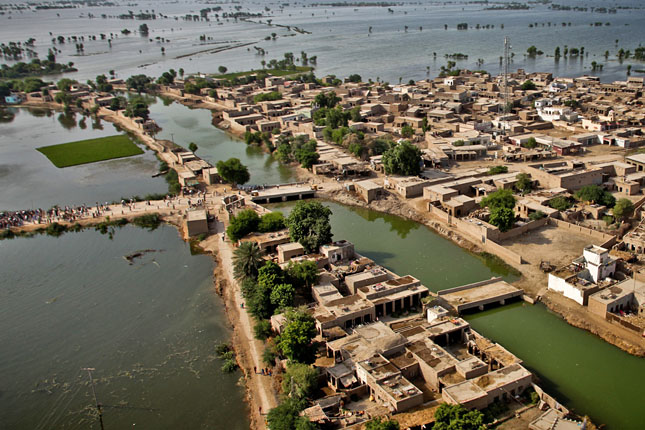
    Jowhar flood in Somalia

    According to recent polling, climate change is seen as the single most threatening international challenge around the world, and there’s evidence that all that worry is taking a psychological toll. Adding to droughts, floods, extreme weather, and die-offs, psychologists are observing higher levels of anxiety, depression, and post-traumatic stress disorder in certain areas and professions. Even people who do not actively stress about global warming or view it as a major threat may still suffer psychological trauma from its effects.

    MORE
  • Beginning With the End in Mind: Midterm Results From an Integrated Development Project in Lake Victoria Basin

    ›
    Guest Contributor  //  September 8, 2015  //  By Sarah Mehta, Cara Honzak & Cheryl Margoluis
    Fausta-working-in-nursery-o

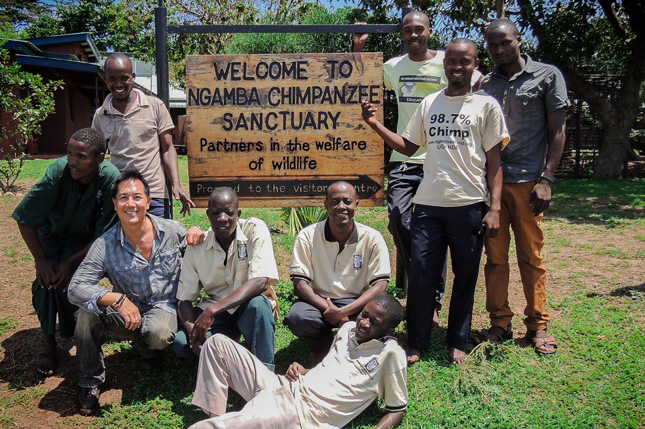
    More than 80 percent of the estimated 42 million people living in Central Africa’s Lake Victoria Basin depend on fishing or farming for survival. Given this overwhelming reliance on natural resources, the lake’s deteriorating condition – driven by climate change, agriculture, pollution, deforestation, overfishing, and industrialization – has far-reaching implications.

    MORE
  • Jim Jarvie, SciDevNet

    Urban Resilience to Climate Change in Asia Critical as Strong El Niño Looms

    ›
    September 7, 2015  //  By Wilson Center Staff
    Tacloban

    The original version of this article, by Jim Jarvie, appeared on SciDevNet.

    An advisory released this August by the U.S. National Weather Service warned this year’s El Niño could be among the strongest ever recorded, lasting well into the first few months of 2016.

    MORE
  • Despite Massive Conservation, Recycling, Imports, Shenzhen Faces Water Shortages

    ›
    China Environment Forum  //  Choke Point  //  September 2, 2015  //  By Coco Liu
    Shenzhen-canal-at-sunset

    As part of the Wilson Center and Circle of Blue’s Global Choke Point project, Choke Point: Port Cities will examine how Oakland, California, and Shenzhen, Guangdong Province, are responding to interlinked water, energy, and pollution challenges. These multimedia reports are meant to inform exchanges and convenings in 2016 to share among leaders of both cities and others like them around the Pacific Rim.

    Shenzhen sits in subtropical south China, where four-fifths of the country’s water resources flow. The monsoon brings heavy rains from April to September; at its peak, Shenzhen’s more than 7 million residents see pouring rain almost every day. So why is this city facing a serious water shortage?

    MORE
  • Peace Park Expedition to Balkans Reveals Tensions Over Development, Rule of Law for New Governments

    ›
    Guest Contributor  //  August 31, 2015  //  By Students of the 2014 Balkans Peace Park Expedition
    IPPE2014

    One of the last biodiversity hotspots in Europe was also backdrop to one of its last violent conflicts and now home to its newest nation states. The Prokletije/Bjeshket e Nemuna Mountains, often referred to as the Southern Alps, are a large expanse of wilderness and stunning alpine landscapes that form the border between Montenegro, Albania, and Kosovo. Three national parks share borders and form a patchwork of protected land that could be the basis for an international peace park – a shared resource that could promote cross-cultural exchange collaborative natural resource management, and eco-tourism.

    MORE
  • John Furlow on Better Coordination for Better Climate Adaptation

    ›
    Friday Podcasts  //  August 28, 2015  //  By Carley Chavara

    Furlow-small“We [need to] stop treating ‘adaptation’ like a sector,” says John Furlow, climate change specialist at the U.S. Agency for International Development (USAID), in this week’s podcast, “but start treating it as a stress or a risk that undermines the development sectors, the environmental sectors, the social sectors that we care about.”

    MORE
  • Angola’s Oil-Soaked Kleptocracy Is an Empire Built on Inequality

    ›
    August 26, 2015  //  By Josh Feng
    A general view Luanda, Angola's capital

    Isabel dos Santos, the daughter of Angolan President José Eduardo dos Santos and the richest woman in Africa, owes her wealth to the oil industry. Delfina Fernandes, a woman living in abject poverty in the village of Kibanga, uses gasoline as an anesthetic to dull the sheering pain of her rotting teeth.

    MORE
Newer Posts   Older Posts
View full site

Join the Conversation

  • RSS
  • subscribe
  • facebook
  • G+
  • twitter
  • iTunes
  • podomatic
  • youtube
Tweets by NewSecurityBeat

Trending Stories

  • unfccclogo1
  • Pop at COP: Population and Family Planning at the UN Climate Negotiations

Featured Media

Backdraft Podcast

play Backdraft
Podcasts

More »

What You're Saying

  • Volunteers,At,The,Lagos,Food,Bank,Initiative,Outreach,To,Ikotun, Pan-African Response to COVID-19: New Forms of Environmental Peacebuilding Emerge
    Rashida Salifu: Great piece 👍🏾 Africa as a continent has suffered this unfortunate pandemic.But it has also...
  • A desert road near Kuqa An Unholy Trinity: Xinjiang’s Unhealthy Relationship With Coal, Water, and the Quest for Development
    Ismail: It is more historically accurate to refer to Xinjiang as East Turkistan.
  • shutterstock_1779654803 Leverage COVID-19 Data Collection Networks for Environmental Peacebuilding
    Carsten Pran: Thanks for reading! It will be interesting to see how society adapts to droves of new information in...

What We’re Reading

  • Rising rates of food instability in Latin America threaten women and Venezuelan migrants
  • Treetop sensors help Indonesia eavesdrop on forests to cut logging
  • 'Seat at the table': Women's land rights seen as key to climate fight
  • A Surprise in Africa: Air Pollution Falls as Economies Rise
  • Himalayan glacier disaster highlights climate change risks
More »
  • woodrow
  • ecsp
  • RSS Feed
  • YouTube
  • Twitter
  • Facebook
  • Home
  • Who We Are
  • Publications
  • Events
  • Wilson Center
  • Contact Us
  • Print Friendly Page

© Copyright 2007-2021. Environmental Change and Security Program.

Woodrow Wilson International Center for Scholars. All rights reserved.

Developed by Vico Rock Media

Environmental Change and Security Program

Woodrow Wilson International Center for Scholars

Ronald Reagan Building and International Trade Center

  • One Woodrow Wilson Plaza
  • 1300 Pennsylvania Ave., NW
  • Washington, DC 20004-3027

T 202-691-4000