-
Getting to Sustainable Palm Oil: A Hardware and Software Approach to a Market Problem
›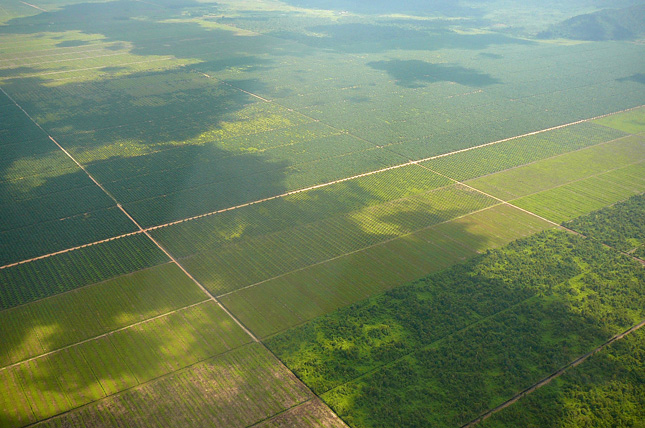
The palm oil sector is at a crossroads. Despite growing awareness of its massive effects on deforestation, the largely unregulated and decentralized industry has struggled to adopt, follow, and document rigorous sustainable sourcing standards.
-
Building a Climate-Resilient Caribbean: Grenada Hosts National Adaptation Planning Workshop
›
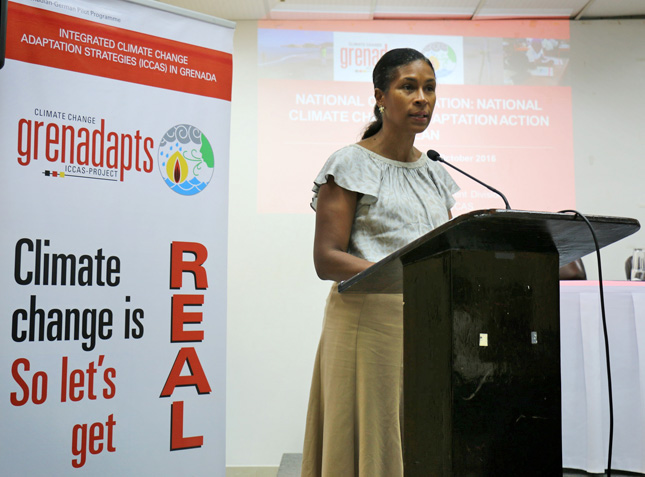
For island nations already dealing with more frequent and intense extreme weather events, climate change is an imposing burden. But many island states are responding and becoming “incubators of resilience,” as Lynae Bresser recently wrote.
-
The Global Refugee Crisis Has Coarsened Our Politics, Says Wilson Fellow Joseph Cassidy
›Chaotic flows of refugees and migrants – the most since World War II – have challenged leaders in Western Europe and North America. “The reactions to those big flows are undermining our institutions in important ways and degrading our politics,” says Wilson Center Fellow Joseph Cassidy in this week’s podcast. -
After the Landslide: A Closer Look at Loss and Damage in Nepal
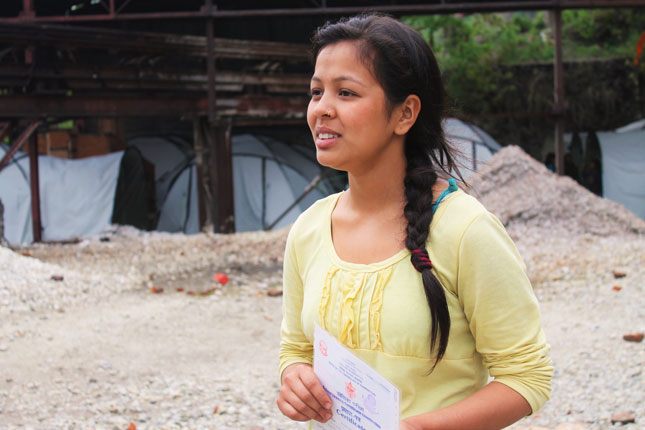
›It had been raining for two full days when the landslide came. Nirjala Adhikari vividly remembers the instant it hit her village in Sindhupalchok District, Nepal. “It was a very scary moment, and I couldn’t think of anything else than grabbing my mobile phone and my school certificate before I ran out of the house,” she recalled. “I secured my certificate because only this will help me establish a bright future.”
-
The Rising Tide of Water Insecurity: Moving from Risks to Responses
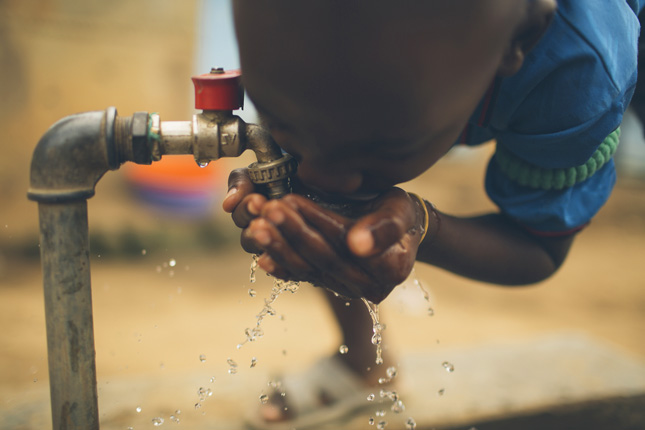
›“Water is the frontline of climate change. It’s what every report that you see identifies as the sort of first and foremost effect we see from a climate changing world,” said Sherri Goodman, a public policy fellow at the Wilson Center and formerly of CNA and the U.S. Department of Defense, on October 19.
-
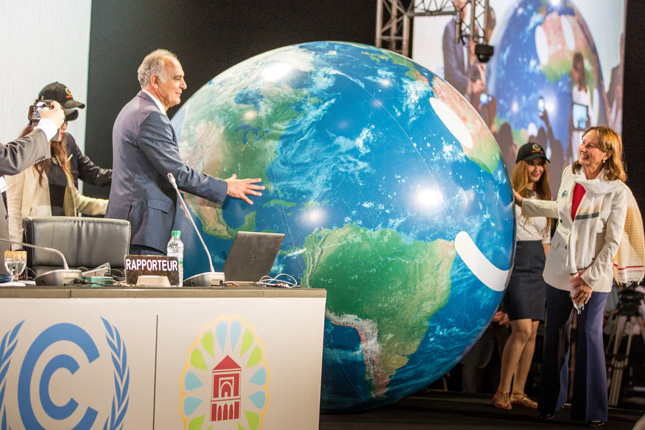
Strategic Ambiguity: How Loss and Damage Became a Part of Global Climate Policy
›As the international community meets in Marrakesh for the climate change negotiations at COP-22, one of the most delicate issues on the table is the review of what’s called the Warsaw International Mechanism for Loss and Damage, or WIM.
-
5 Focal Points for U.S. Global Water Strategy (And Submit Your Own Too)
›November 3, 2016 // By Ken ConcaHave something to say about the U.S. government’s approach to water around the world? Here’s your chance. The Department of State has issued a public call for comment on its global water strategy. An open session was held in Washington last Friday, but written comments can be submitted until November 12.
For inspiration, here are points made by our own (and American University’s own) Ken Conca, edited for space:
-
Could Climate Change Keep Kids Out of School? Q&A With Environmental Sociologist Heather Randell
›Education is seen as a key tool for building resilience to climate change in the developing world. But new research shows that climate change could also make it harder to keep kids in school and ensure they get the best out of their time in the classroom.
Showing posts from category development.
 Chaotic flows of refugees and migrants – the most since World War II – have challenged leaders in Western Europe and North America. “The reactions to those big flows are undermining our institutions in important ways and degrading our politics,” says Wilson Center Fellow