

-
Planetary Security Conference Convenes Amidst “Unsettling New Normal”
›December 14, 2016 // By Schuyler NullEnvironmental security? Climate security? How about planetary security. Last week at the venerable Peace Palace in The Hague, nearly 300 experts from around the world met for the somewhat dramatically named Planetary Security Conference, a new initiative aimed at bringing together people working on all things related to the environment, climate change, and their security implications.
-
Masculinity Under the Microscope: Better Accounting for Men in Climate Adaptation
›December 13, 2016 // By Anam Ahmed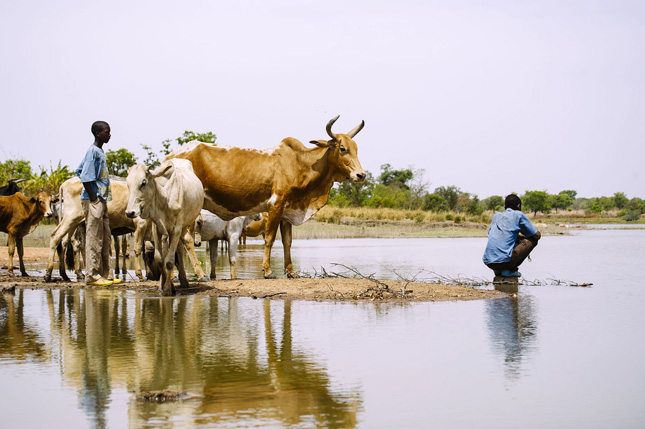
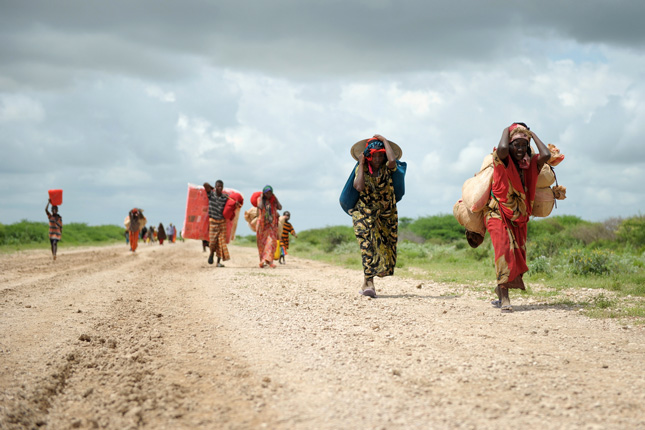
“Before the famine my life was better. I was a man in my own country,” Abdi Abdullahi Hussein, a Somali refugee living in Kenya, tells The Climate Reality Project. “When you have livestock and a farm and it all disappears, it feels like falling off a cliff.”
-
Land Privatizations, Not Just Climate Change, Are Costing Rural Kenyans
›
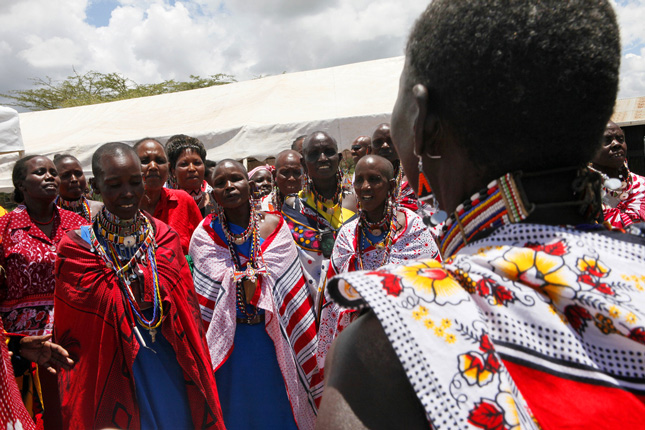
Eddah Senetoi lives with her son in the small pastoralist community of Elangata Waus. They keep cows, goats, sheep, and donkeys to buy food and pay school fees. For her and other pastoralists living in southern Kenya’s Kajiado County, climate change is compounding challenges from land subdivision and privatization, and magnifying social tensions and community conflicts over access to resources.
-
Green Leadership From a Divided South? China and India’s Divergence Shape Outlook for International Negotiations
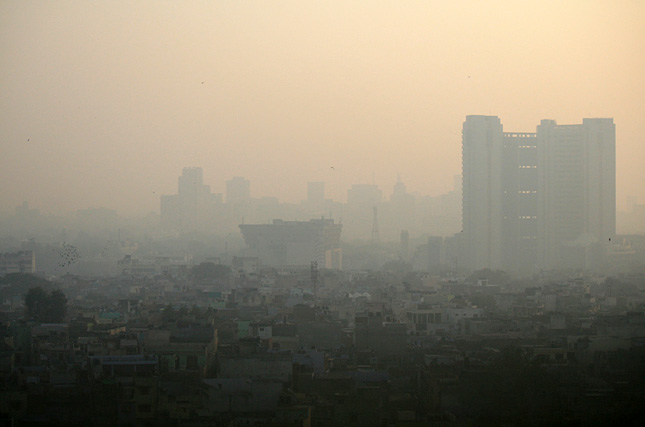
›Last month, headlines around the world heralded a breakthrough for international environmental cooperation. During ongoing ozone treaty negotiations in Rwanda, China broke with the developing world, agreeing with the United States to aggressively phase out hydrofluorocarbons, a significant global warming pollutant found in refrigerators and air conditioners. These changes are expected to make a big difference in combating climate change, mitigating half a Celsius degree of warming.
-
Elena Ateva on Putting the Individual at the Center of Maternal Care
›Exactly one year after the adoption of the Sustainable Development Goals in September 2015, The Lancet published a special series on achieving maternal health priorities in the SDG era, with a focus on quality, equity, strengthening entire health systems, sustainable financing, and collecting better evidence. -
‘The Lancet’ on Achieving Maternal Health Goals in the SDG Era: Tackling Diversity and Divergence
›Between 1990 and 2015, there was an incredible 44 percent decrease in global maternal mortality rates. But these impressive gains still fell short of the Millennium Development Goal of reducing the global maternal mortality ratio by three quarters.
-
Navigating Complexity: Climate, Migration, and Conflict in a Changing World
›Record levels of displacement and accelerating climate change have prompted many to wonder if the world is headed toward a more violent future. The nexus of climate change, migration, and conflict is posing fundamental challenges to societies. But not always in the ways you might think. In a new report prepared for the U.S. Agency of International Development, Lauren Herzer Risi and I present a small guide to this controversial and consequential nexus of global trends.
-
To Be Young, Libyan, and Female: Alaa Murabit on Building Civil Society After Gaddafi
›In the turbulent days following the 2011 fall of Colonel Muammar Gaddafi’s government, Dr. Alaa Murabit found herself in Libya’s fragile capital, Tripoli, observing exchanges between parliamentarians and civil society over the future of the country. For over 40 years, this kind of discussion was unthinkable – not the least, for a young woman.
Showing posts from category development.
 Exactly one year after the adoption of the Sustainable Development Goals in September 2015,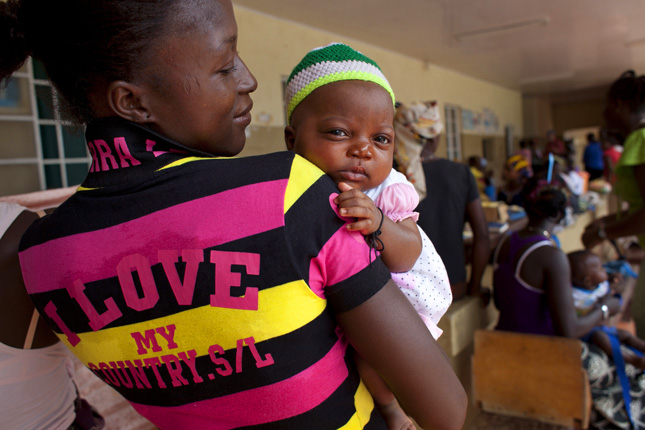
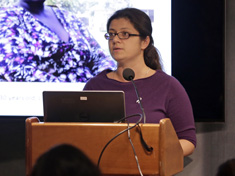
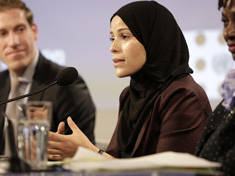 In the turbulent days following the 2011 fall of Colonel Muammar Gaddafi’s government, Dr. Alaa Murabit found herself in Libya’s fragile capital, Tripoli, observing exchanges between parliamentarians and civil society over the future of the country. For over 40 years, this kind of discussion was unthinkable – not the least, for a young woman.

