-
Come Hell or Holy Water: India’s Fight to Save the Ganges
›February 13, 2017 // By Sreya Panuganti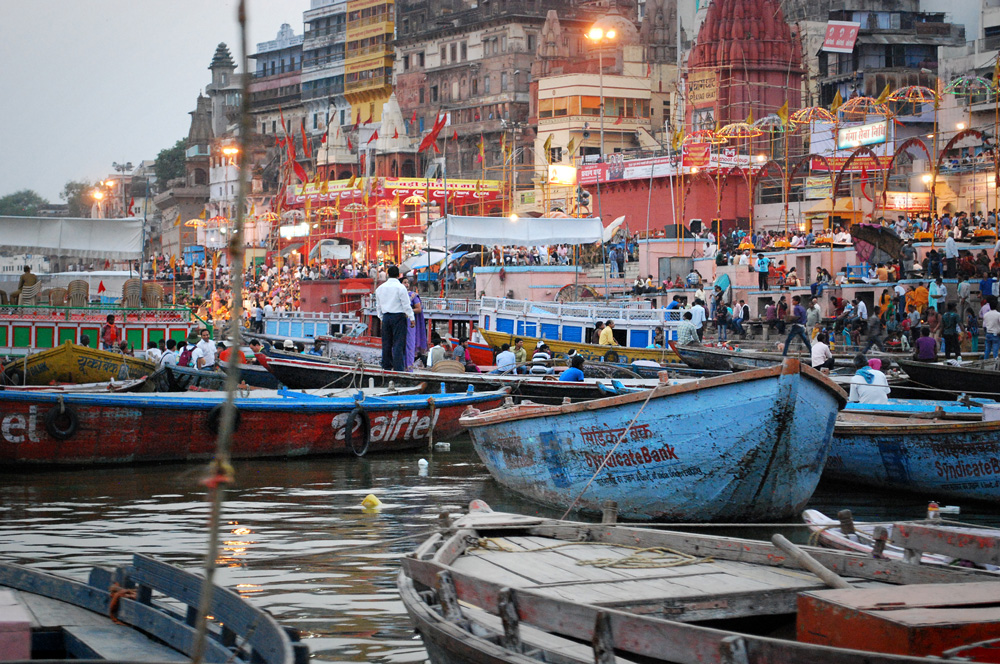
Revered for far more than its contribution to Indian civilization, the Ganges represents the goddess of salvation, Ganga. As a symbol of purity in Hindu mythology, the holy river is thought to cleanse believers both spiritually and physically with its waters.
-
Backdraft Episode #2: Stacy VanDeveer on the New Energy Economy and the Fate of Petro States
› A “green economy,” an energy sector composed entirely of renewables, is the goal of many. But we haven’t thought out the full implications of that change, says Stacy VanDeveer, professor at the University of Massachusetts Boston, in this week’s “Backdraft” podcast.
 -
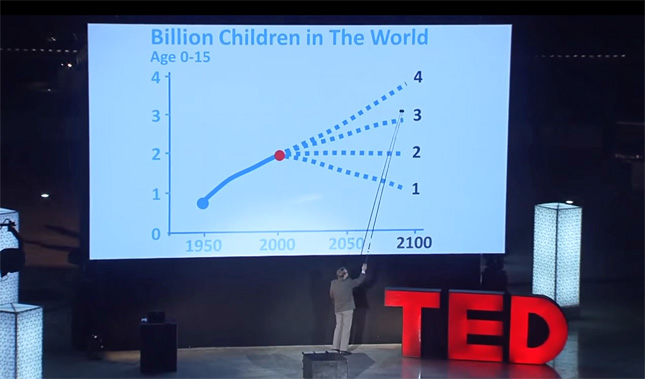
In Remembrance: Hans Rosling’s Incredible Presentations on Global Development Trends
›Hans Rosling, the Swedish statistician, global health advocate, and “edutainer,” passed away this week in Uppsala, according to his foundation, Gapminder.
-
Reaching Accord on Land Grabs, and Household Perceptions of Climate-Conflict Vulnerability
›Large-scale land acquisitions, otherwise known as “land grabbing,” are often believed to lead to resistance from affected local communities. According to an article by Ruth Hall et al. in The Journal of Peasant Studies, however, “political reactions ‘from below’ to global land grabbing have been vastly more varied and complex than is usually assumed.” -
With New Analytics, a Vision of Alternative Futures for Uganda
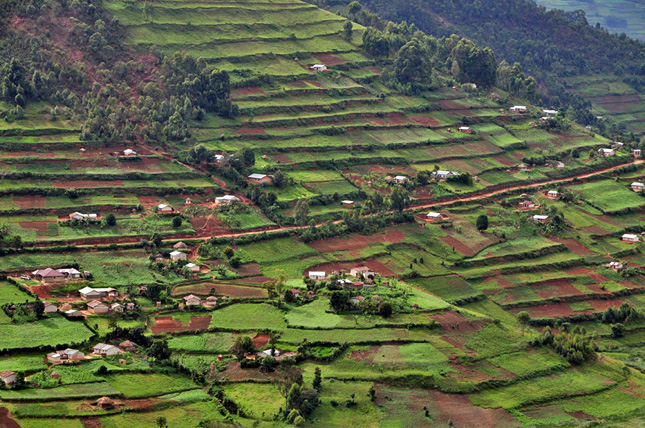
›Since becoming an independent nation in 1962, Uganda has struggled with high rates of poverty, regional and international conflict, and both endemic and epidemic disease outbreaks, particularly HIV/AIDS. In recent years, though, it has become a key partner of the United States. The U.S. government provides foreign assistance to improve the lives of Ugandans but also to advance stability in the East Africa region generally, with the bulk of these programs administered by the U.S. Agency for International Development (USAID).
-
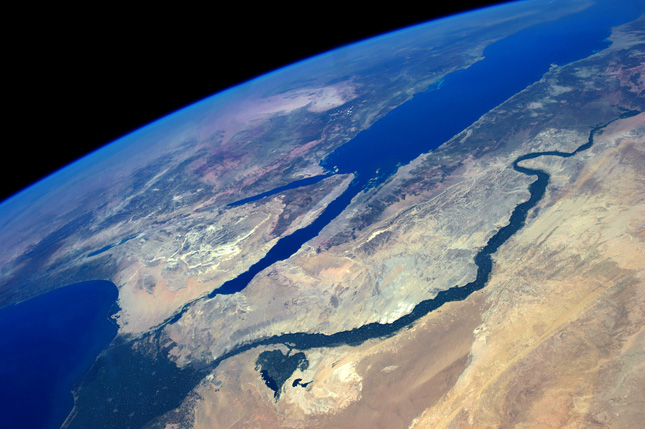
Global Water and National Security: Why the Time Is Now
›During the 2016 campaign President Trump stated that clean water would be a top priority of his administration, telling ScienceDebate.org “it may be the most important issue we face as a nation for the next generation.” Now is the time to make good on that commitment.
-
The Invisible World Ocean Regime, and USAID’s 2015 Water Activities in Review
›According to their recent Safeguarding the World’s Water report, the U.S. Agency for International Development (USAID) invested $499,995,179 in water-related programming in 54 countries in 2015. -
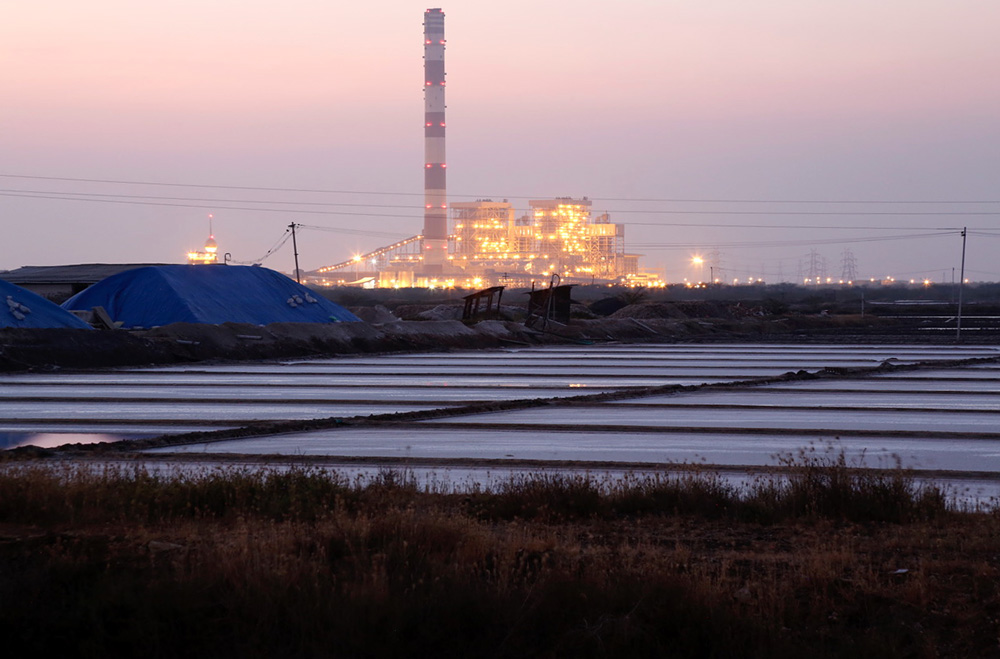
Introducing “Choke Point: Tamil Nadu,” a Look Inside One Indian State’s Struggle With Severe Water Stress
›TUTICORIN, India – Among the 75 government agencies that manage and regulate this bewitching and often impassioned nation, there is no Ministry of the Future. There should be.
Showing posts from category development.
 A “green economy,” an energy sector composed entirely of renewables, is the goal of many. But we haven’t thought out the full implications of that change, says Stacy VanDeveer, professor at the University of Massachusetts Boston, in this week’s “Backdraft” podcast.