-
Observing Earth: Using Satellite Data for International Development
›
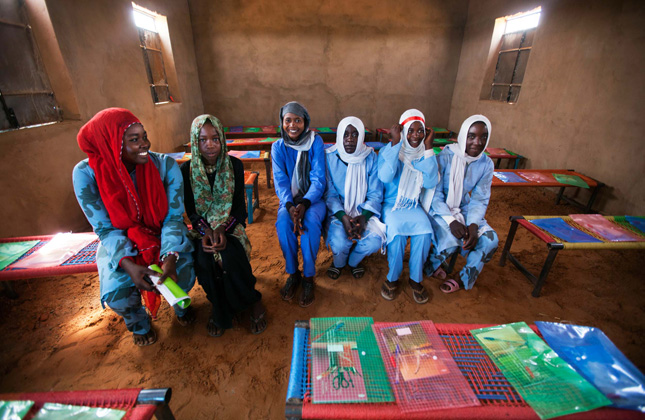
“Interest in earth observation—and in particular, the value to what we do in development internationally—has never been higher,” said Jenny Frankel-Reed, adaptation team lead at the U.S. Agency for International Development (USAID). Frankel-Reed spoke at the Wilson Center’s recent panel discussion of the earth observation data program known as SERVIR, which included insights from USAID’s soon-to-be-released evaluation of the program.
-
To Fight Global Water Stress, U.S. Foreign Policy Will Need New Strategic Tools
›
Capable of upending rural livelihoods, compromising institutions of governance, and inducing new patterns of migration and crime, global water stress has emerged as one of the principal threats to U.S. national security, said David Reed, senior policy advisor at the World Wildlife Fund (WWF) and editor of WWF’s new book, Water, Security and U.S. Foreign Policy, on June 27 at the Wilson Center. Four defense and development leaders – retired U.S. Marine Corps General James L. Jones; Paula Dobrianksy, vice chairwoman of the National Executive Committee of the U.S. Water Partnership; retired U.S. Navy Admiral Lee Gunn, vice chairman of the CNA Military Advisory Board; and Kristalina Georgieva, chief executive of the World Bank – joined Reed for a panel discussion of water’s central role in global stability and prosperity.
-
In Lesotho, Population Pressures Have Created a Perfect Storm of Human Insecurity
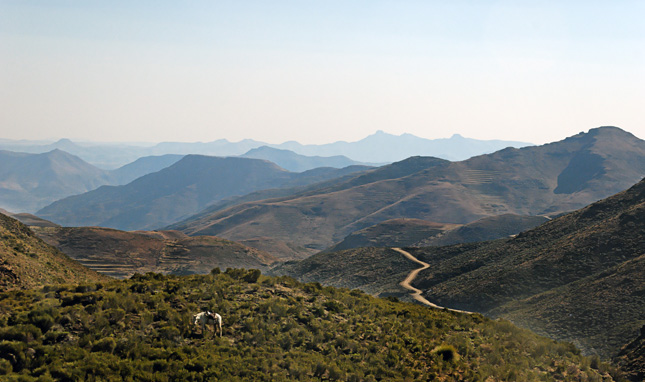
›Since declaring its independence in 1966, Lesotho has faced severe challenges to virtually every dimension of human security, writes Eugene Linden in a recent New York Times opinion article. In recent years, drought – coupled with widespread soil erosion and rapid population growth – has pushed a large portion of Lesotho’s two million people to the verge of starvation, which Linden calls “just one example of how fragile the future seems for Africa, large parts of which face the prospect of new famine and, in consequence, further catastrophic displacement within and among their growing populations.”
-
Understanding Loss and Damage from Climate Change
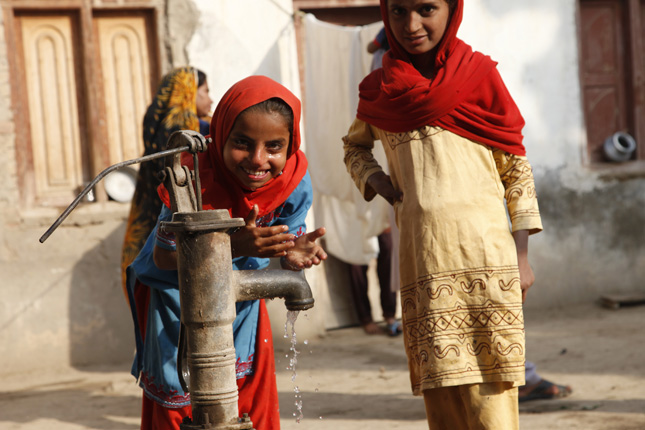
›The idea of an insurance pool to address damage from rising sea levels started in 1991 as mere whispers, but by 2015 it grew to become Article 8 of the Paris Agreement. In Climate Change Loss and Damage, Julia Kreienkamp and Lisa Vanhala explore the history of loss and damage in international negotiations and the prospect of its future. One of the more contentious topics in climate negotiations, loss and damage confronts the culpability of wealthy states for the unavoidable consequences of climate change in more vulnerable, non-Western countries. According to Kreienkamp and Vanhala, “the urgency of the issue for developing countries will rise in inverse proportion to how much action is undertaken to mitigate and adapt to climate change.” -
Sustainable Development Approaches to Youth and the Demographic Dividend
›“Investing in youth is a recipe for success,” said Elizabeth Dawes Gay, senior policy analyst at the Population Reference Bureau (PRB), during a webinar on June 22, 2017, organized by PRB’s PACE project on the connections between the population, health, environment (PHE) approach to international development, and achieving the demographic dividend.
-
The UN Wants to Respond to Climate Change and Prevent Conflict, But When?
›A slightly modified version of this article originally appeared on the Resilience Compass.
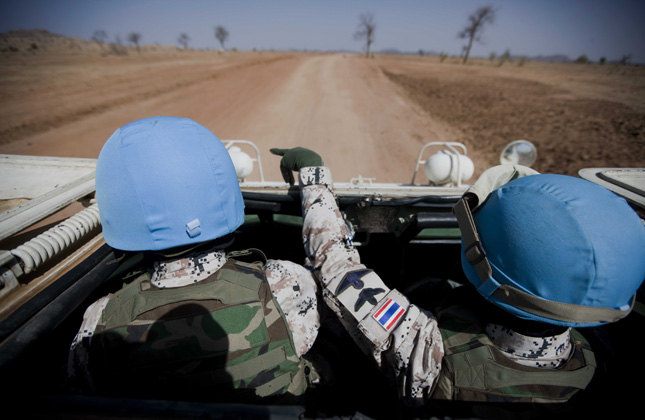
Climate change, civil conflict, and violent extremism are among the most significant threats to human development, peace, and security around the globe. Addressing all three requires immediate action by the United Nations to prevent future crises, yet crucial investments may not yield tangible results for years to come—well beyond democratic term limits.
-
Patrick D. Nunn, The Conversation
Sidelining God: Why Secular Climate Projects in the Pacific Islands are Failing
›July 7, 2017 // By Wilson Center StaffUnless you are cocooned in a tourist bubble, it is hardly possible to miss God when you visit the Pacific Islands. In every village and on every main street there seems to be a church or temple, packed to bursting point on holy days. It is testament to the considerable influence of spirituality on the way people live in the Pacific.
-
Top 5 Posts for June 2017
›Water, water everywhere but not a drop to drink: All five of the most popular posts last month focused on water scarcity.
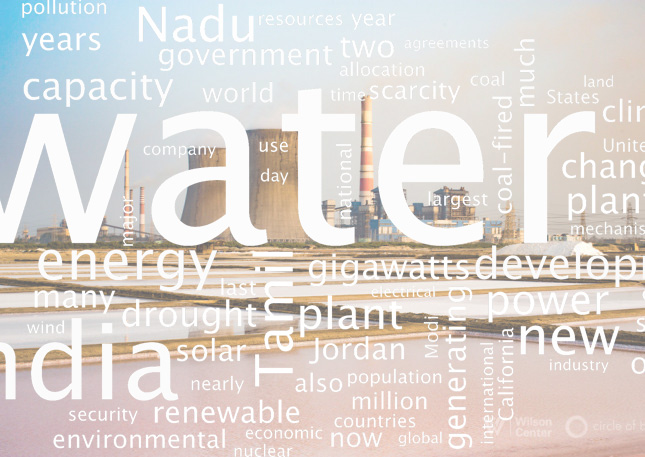
The final two parts of our “Choke Point: Tamil Nadu” series, which explores the conflicting demands for water, food, and energy in the South Indian state, took the top spots. In June’s most popular post, Circle of Blue’s Keith Schneider reports on Tamil Nadu’s leadership in India’s transition to solar and wind energy, which use far less of the country’s scarce water resources than coal and nuclear power plants. Schneider also wrote “New Media Helps Galvanize Tamil Nadu to Fight a Toxic Legacy,” which describes an environmental activist’s fight against industrial water contamination.
Showing posts from category development.
 The idea of an insurance pool to address damage from rising sea levels started in 1991 as mere whispers, but by 2015 it grew to become Article 8 of the