

-
The 30th Anniversary of the Safe Motherhood Initiative
›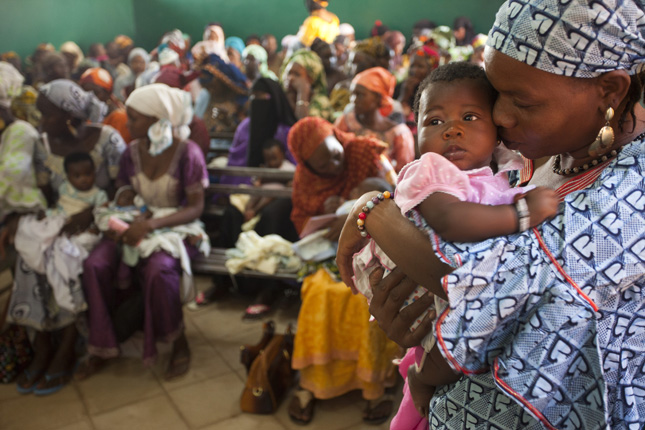
Since 1987, the number of women dying during pregnancy and delivery has dropped by 43 percent, saving hundreds of thousands of women’s lives—and changing the lives of their families—around the world. “Our achievement in making maternal mortality an injustice that needs to be recognized by health ministers, by heads of state, by heads of agencies, has been, I think, the single greatest achievement of the Safe Motherhood Initiative” since it began 30 years ago, said Ann Starrs, President and CEO of Guttmacher Institute, at a Wilson Center event marking the anniversary of this important effort.
-
The More Things Change: Resilience, Complexity, and Diplomacy Are Still Top Priorities in 2018
›
This new year brings new projects—and some sad goodbyes. Today, I’m excited to begin my leadership of Sister Cities International, the world’s largest and oldest network of citizen diplomats. And I’m sorry to leave the Wilson Center, which has been my home for the last five years. But it’s not a long goodbye: I will continue to work with the Global Sustainability and Resilience team as a Global Fellow and as an advisor to the New Security Beat. In all of these roles, my New Year’s resolution is to renew our commitment to making a real difference in global well-being and sustainability. And while this year promises great changes, three key priorities will continue to inspire me and guide our collective efforts: resilience, complexity, and diplomacy.
-
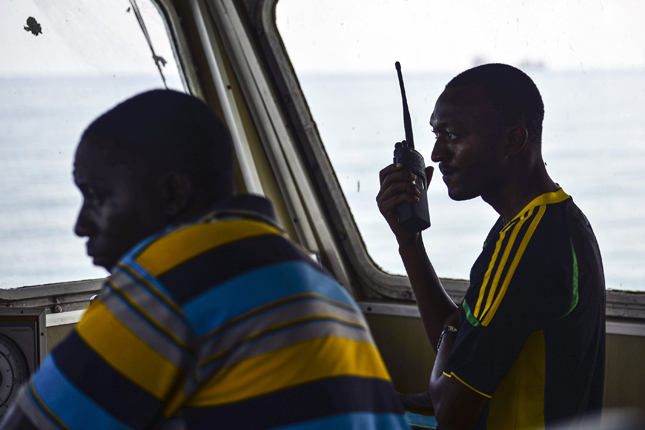
One in 10 Interstate Disputes Are Fishy – And the Implications Stink
›Fisheries are a surprisingly common reason for conflict between countries. Between 1993 and 2010, 11 percent of militarized interstate disputes (MIDs) – conflicts short of war between two sovereign states – involved fisheries, fishers, or fishing vessels. While the conflicts often involve fresh fish, the implications for global peace and prosperity stink like fermented herring. As climate change threatens to change fish habitats, new governance strategies may be needed to prevent these “fishy MIDs” from sparking broader conflicts.
-
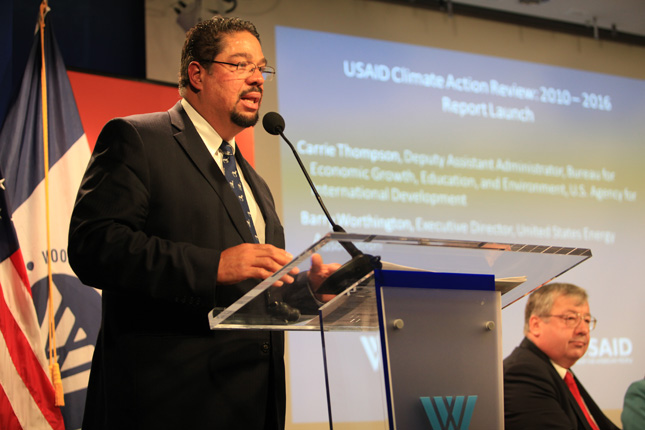
The Big Picture: Measuring Efforts to Build Resilience
›“Resilience isn’t an outcome,” said USAID Resilience Coordinator Greg Collins at a recent Wilson Center event on measuring resilience; it is “the ability to manage adversity and change without compromising future well-being.” The wide array of individual factors that contribute to building resilience—ranging from livestock insurance and microsavings, to risk tolerance and women’s decision-making—can be challenging to measure individually, let alone in concert. But this assessment is essential for designing and implementing successful development projects: “We have to be able to answer the question: Is this building resilience, yes or no?” said Cornell University’s Chris Barrett.
-
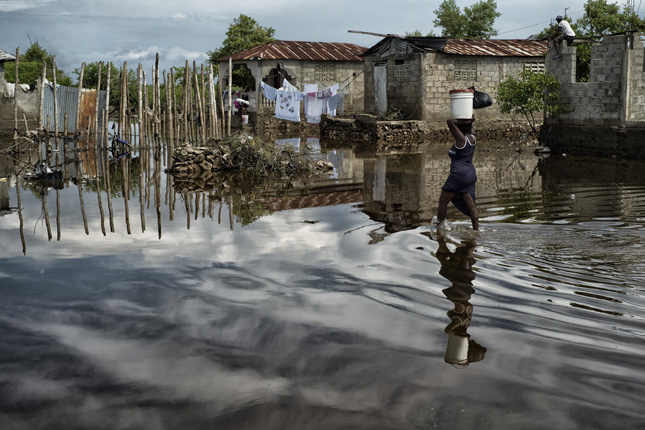
Sustainable Water, Resilient Communities: The Problem of Too Much Water
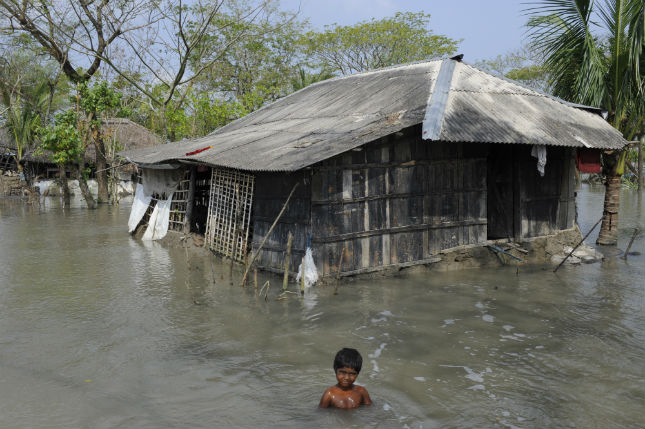
›From the Wilson Center // Water Security for a Resilient World // December 12, 2017 // By Julianne Liebenguth“Floods are one of many factors that keep massive amounts of the population in poverty and always on the brink of disaster,” said Eric Viala at the second event in a four-part series on water security organized by the Wilson Center in cooperation with the Sustainable Water Partnership, which Viala directs. Panelists at the event discussed the impact of intense flooding on vulnerable communities and proposed innovative and collaborative approaches to reducing their risks in the face of disasters.
-
“Let’s Start From Here”: Local Solutions for Loss and Damage and Livelihood Resilience
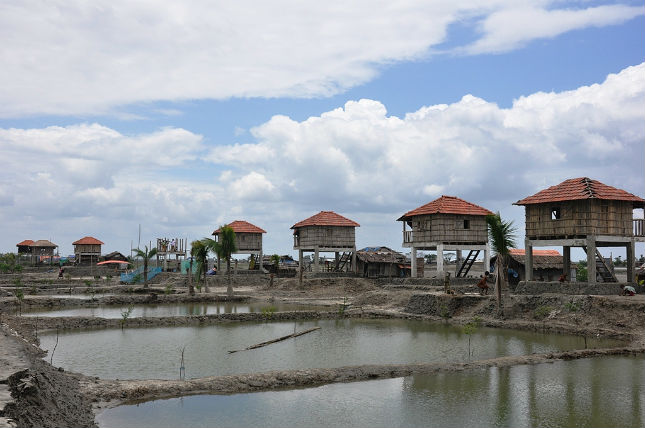
›Without warning, water rushed into a woman’s home on a raised platform above the floodplain of Bangladesh’s Teesta River. She was just a hand’s distance from her infant son, but she couldn’t stop him from falling into the floodwaters. “She can’t recover back from the trauma,” said the University of Dundee’s Nandan Mukerjee of the mother who lost her child to the currents of climate change.
-
Hot Times: Waste-to-Energy Plants Burn Bright in China’s Cities
›$1 billion sales in two minutes. More than 250,000 purchases every second. Singles’ Day, China’s annual retailing extravaganza, absolutely crushes Black Friday: E-commerce giant Alibaba raked in $17.8 billion in gross sales during last year’s event, more than double the combined total of $6.8 billion in sales during the United States’ 2016 holiday shopping kick-off. The shopping spree lasts only 24 hours, but its environmental impacts will extend for decades.
-
An Unlikely Ambassador: Ghana Gurung on Snow Leopards and Community Resilience
›As a child growing up in Nepal’s mountainous Upper Mustang region, Ghana Gurung understood that his survival depended on the mountains and his community. Today, as senior conservation program director at World Wildlife Fund-Nepal, he works to protect the endangered and elusive snow leopard by improving local communities’ livelihoods and the mountains’ ecosystem.
Showing posts from category development.

 As a child growing up in Nepal’s mountainous Upper Mustang region, Ghana Gurung understood that his survival depended on the mountains and his community. Today, as senior conservation program director at World Wildlife Fund-Nepal, he works to protect the endangered and elusive snow leopard by improving local communities’ livelihoods and the mountains’ ecosystem.

