-
Hidden Forces: The Role of Water in Economic Prosperity
›From the Wilson Center // Water Security for a Resilient World // October 22, 2019 // By Brigitte Hugh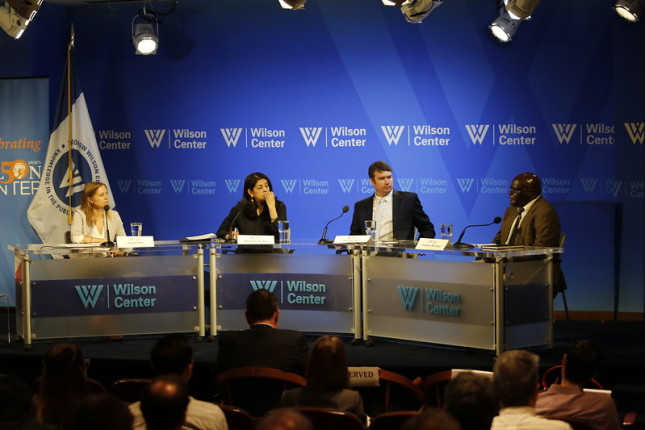
“If you woke up one morning and found the taps in your house were dry, the first thing many of us here would do is pick up our phone and call the utility,” said Gordon Mumbo, Team Leader for Sustainable Water for the Mara River Basin, Winrock International. But for people living in the Mara River Basin, if their taps run dry, there is no utility to call, said Mumbo. Their only choice is to grab the water container and head down to the river where water quality may be poor. Mumbo spoke at the September 30th event, “Hidden Forces: The Role of Water in Economic Prosperity,” part of the “Water Security for a More Resilient World” series co-hosted by the Wilson Center, Winrock International, and the Sustainable Water Partnership.
-
Disasters, Vulnerabilities, and Equity: Moving Forward
›
Houston after another major flood a few weeks ago; the Bahamas after Dorian; Paradise, California, after the Camp Fire; Haiti after a major 2010 earthquake; Puerto Rico after Maria; New Jersey and New York after Sandy; New Orleans after Katrina; Thailand and Indonesia after the Indian Ocean tsunami in 2004… The list goes on. As we head into another hurricane season, we should once again examine what we’ve learned and prepare to reduce the impact of disasters on communities worldwide.
-
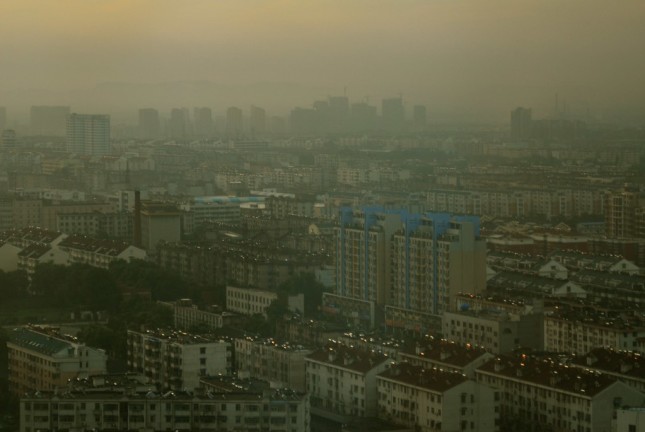
China Puts Soil Pollution Under the Spotlight
›“That ain’t no mountain,” said Jennifer L. Turner, the Director of the Wilson Center’s China Environment Forum, in response to a picture of a pile of phosphogypsum waste just outside a farming village. She moderated a recent event on the development of environmental law and enforcement in China cohosted by the Environmental Law Institute and The Wilson Center. Since 2013, when the picture was taken, the mountain has grown, she said. She put the image up because many people hear about soil pollution, or illegal dumping, and picture something small. “You don’t picture a mountain towering over a village,” Turner said.
-
David DeArmey on Engaging Communities to Increase Water Point Functionality
›Friday Podcasts // Water Security for a Resilient World // Water Stories (Podcast Series) // September 6, 2019 // By Benjamin BoslandThis article is part of ECSP’s Water Security for a Resilient World series, a partnership with USAID’s Sustainable Water Partnership and Winrock International to share stories about global water security.
“Water point functionality goes beyond the mechanical structure of a pump,” says David DeArmey, Director of International Partnerships at Water for Good in this week’s Water Stories podcast. “Community dynamics play a role in how the water point is managed on a daily basis.”
-
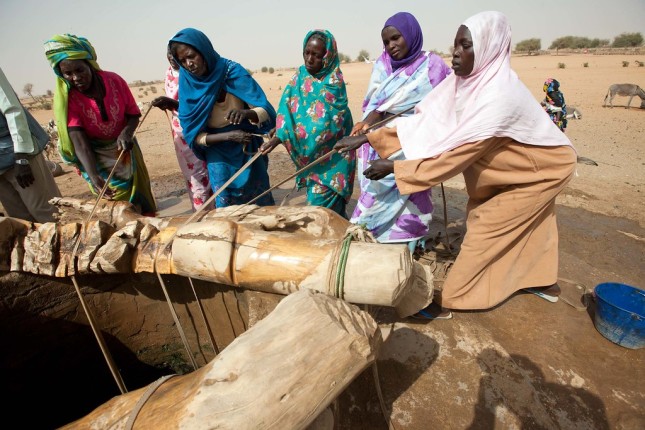
Untapped Opportunities? The Need to Integrate Young Women in Water Management
›Water security is a pervasive climate issue and one that has increasingly been viewed as a gendered issue. Worldwide, women and girls spend 200 million hours collecting water every day. While doing so, they place themselves at increased risk of assault and become more likely to develop medical issues related to physical labor. They also pay an opportunity cost, as this time could be better spent in school or performing other productive tasks.
-
Lisa Palmer, Mongabay
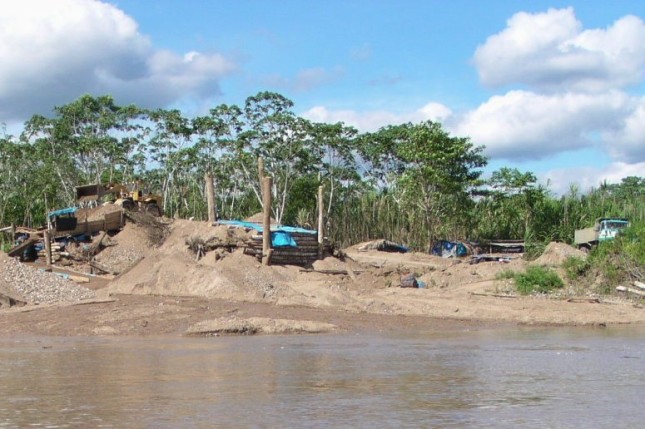
Precision conservation: High tech to the rescue in the Peruvian Amazon
›August 28, 2019 // By Wilson Center StaffThe mother capybara and her three babies chew on grasses along the Los Amigos River as we drift near. Around a bend, white caimans fortify each sandbar, mouths open, waiting. Kingfishers plunge into the water to retrieve a morning meal, as oropendolas fly overhead. Spider monkeys and red howlers balance in the treetops of the soaring canopy 30 to 60 meters (100 to 200 feet) high that lines both riverbanks.
-
Achieving the SDGs: Three New UN Reports Call for Reoriented Policy Priorities
›This summer, United Nations agencies published three reports that offer a sobering assessment of the current state of international security and development, focusing on multidimensional poverty, hunger, and forcible displacement. As some countries succeed in steadily improving the living conditions of their most vulnerable populations, others have struggled to overcome sustained episodes of political instability and violent conflict. Together, the reports affirm the urgency with which the international community must reorient its policy priorities and take action to achieve the Sustainable Development Goals (SDGs) by 2030.
-
Nothing Marvelous About Plastic Waste: China’s Pollution Endgame
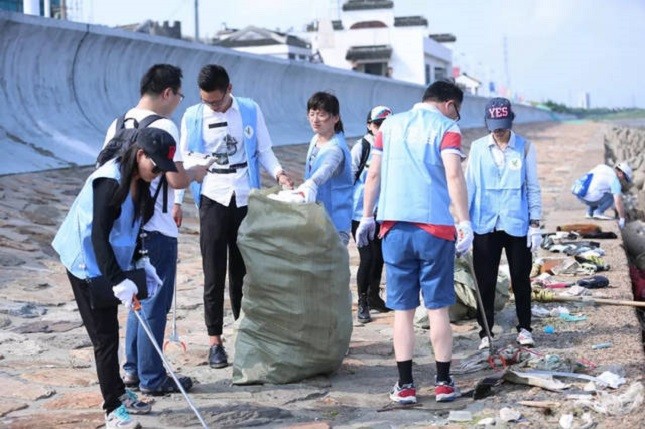
›Our world is drowning in plastic pollution with nearly 8 million tons of single-use plastic and some 700,000 tons of abandoned fishing gear leaking into marine ecosystems each year. Plastic waste endangers marine species. For example, animals become entangled in abandoned nets. Marine birds, fish, whales and sharks are sickened or die when they accidentally ingest plastic. According to a 2017 study, around 90 percent of single-use plastic that pollutes our oceans comes from 10 rivers, 6 of which are in China. No Avenger superheroes can make this problem go away; rather the world needs heroic efforts by consumers, businesses, and governments to curb these plastic leaks. Encouragingly, China’s war on pollution has catalyzed new bottom-up activism and top-down policies that are starting to spur action to reduce plastic leakage.
Showing posts from category development.