-
Solidarity and Stigma: The Challenge of Improving Maternal Health for Women Living With HIV
›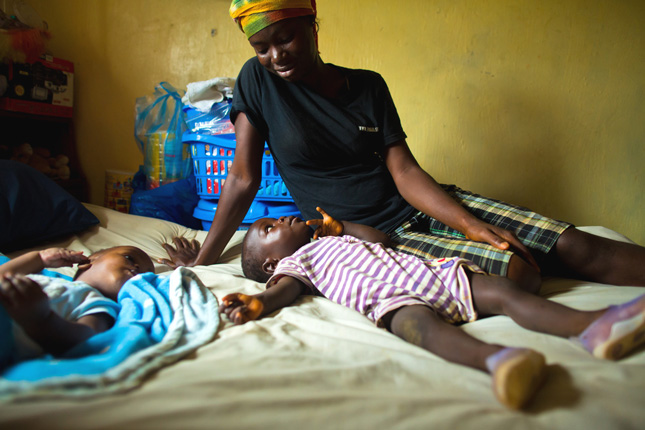
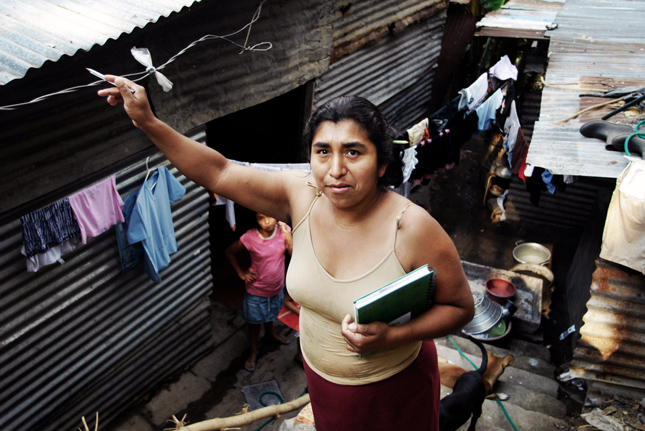
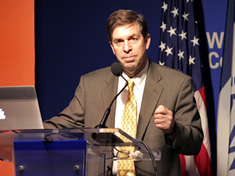
Despite the fact that with proper interventions, the likelihood of mother-to-child transmission of HIV is less than five percent, expectant mothers with HIV or AIDS often face intense stigma and marginalization from health care providers around the world. As a result, in some areas, the mortality rate for mothers with HIV is seven to eight times greater than the rate for non-infected women, said Dr. Isabella Danel of the U.S. Centers for Disease Control. [Video Below]
-
Disaster Risk Reduction Important to Preserve Development Gains, El Niño May Becoming More Frequent, Powerful
›
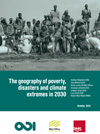
As climate change threatens more extreme weather, it is becoming more important to incorporate disaster risk reduction into poverty-reduction efforts, writes the Overseas Development Institute in a new report. The authors of The Geography of Poverty, Disasters, and Climate Extremes in 2030 argue that the hard-won gains of development are threatened by vulnerability among the poorest to climate change disasters, especially droughts. “Up to 325 million extremely poor people will be living in the 49 most hazard-prone countries in 2030, the majority in South Asia and sub-Saharan Africa,” write Andrew Shepherd et al. Using an index measuring the risk of a nation’s exposure to natural disasters as compared with a nation’s vulnerability to extreme poverty (income less than $1 daily), the report singles out 11 nations at high risk in both categories.
-
Earth Day 2014: Women at the Center of Sustainable Cities
›April 22, 2014 // By Roger-Mark De SouzaWhen I first came on board the Wilson Center last Earth Day, I wrote that I wanted to forge new paths and identify ways that reproductive health, environmental conservation, and women’s empowerment affect our lives today and in the future.
-
Not There Yet: Burma’s Fragile Ecosystems Show Challenges for Continued Progress
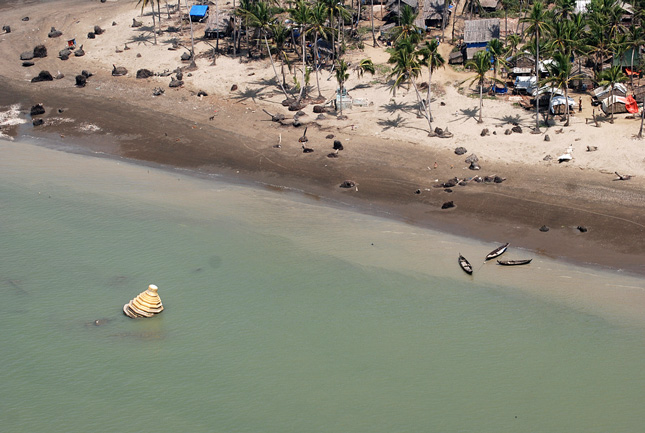
›Political and economic changes in Burma have been as rapid as they are surprising. In just three years, the country has gone from an isolated military dictatorship to a largely open country that is at least semi-democratic and has formally adopted a market economy. Both the European Union and the United States have eased economic sanctions, and dozens of foreign firms have moved in. Foreign direct investment increased by 160 percent in 2013 alone.
-
Lisa Palmer, Slate
Famine Is a Feminist Issue
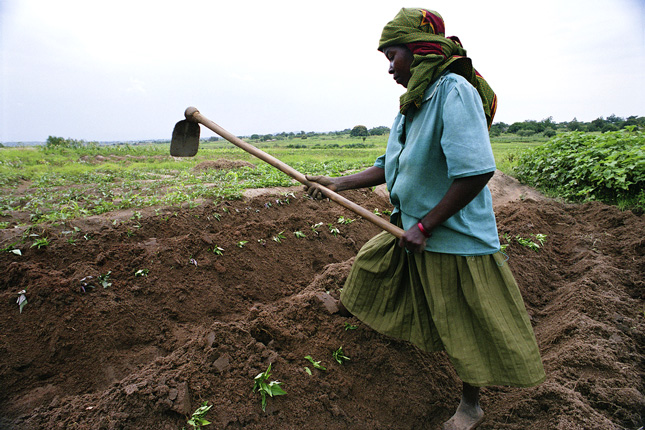
›April 17, 2014 // By Wilson Center StaffIn 2013 the United Nations Population Division revised its population projections to show that population could grow even faster than previously anticipated, especially in Africa. Planning ahead for feeding a hot, hungry, teeming planet is both a numbers game and social venture. Calories, climate change, and acres of land are some of the factors on one side of the equation. The 7 billion people in the world, projected to grow to 9.6 billion by 2050, are on the other.
-
Water Wars? Think Again: Conflict Over Freshwater Structural Rather Than Strategic
›The global water wars are almost upon us!
At least that’s how it seems to many. The signs are troubling: Egypt and Ethiopia have recently increased their aggressive posture and rhetoric over the construction of the Great Ethiopian Renaissance Dam in the headwaters of the Blue Nile, Egypt’s major artery since antiquity. India continues to build new dams that are seen by its rival Pakistan as a threat to its “water interests” and thus its national security. Turkey, from its dominant position upstream, has been diverting the Tigris and Euphrates rivers and increasing water stress in the already-volatile states of Iraq and Syria.
-
Forests on Film: New Stories From Nepal and the Congo Basin
›Given growing awareness about environmental change and how it affects human life, it is perhaps not surprising there is also a growing audience for environmental filmmaking. At the 2014 Environmental Film Festival in the Nation’s Capital on March 25, the Wilson Center premiered ECSP’s latest documentary, Scaling the Mountain: Protecting Forests for Families in Nepal. Together with Heart of Iron, a recent film on mining in the Congo Basin, the event took viewers into some of the world’s most remote forests to see how their inhabitants are adapting to rapid changes in the natural resources on which they depend.
-
“The Himalayas Are Pushing Back”: Keith Schneider on Why India Needs to Forge Its Own Path to Development
›
India has the second largest – soon to be largest – population of any nation on the planet and boasts a rapidly developing economy, yet it consumes only a fraction of the energy of China or the United States. Much like China before it, the Indian government has proposed an ambitious system of hydroelectric projects in an attempt to catch up.
Showing posts from category development.