-
Queering Climate Action: A Transformative Task
›
LGBTIQ+ organizations and activists increasingly speak of “queering” systems such as global climate action, global refugee systems, or humanitarian response. Sometimes, this is a rhetorical reboot of existing strategies for increasing inclusion, with ‘queer’ used as a reclaimed shorthand for LGBTIQ+ people. The process of tweaking existing social and economic systems to address climate change and security threats should also certainly ensure the inclusion of LGBTQI+ people.
-
ECSP Weekly Watch | June 24 – 28
›
A window into what we are reading at the Wilson Center’s Environmental Change and Security Program
Renewable Energy Needs a Social Vision (Mongabay)
The Zapotec of the Isthmus of Tehuantepec have accused energy giant EDF (Électricité de France) of causing human rights abuses while building wind farms in Oaxaca state. They also claim the company intimidated and harassed social movements who opposed this construction on their ancestral lands. The Zapotec are indigenous peoples of Mexico who call themselves Bën Za or “The People”—and after three years of struggle and stalling tactics by EDF’s legal representatives, French courts have authorized their civil case filing at last.
-
Climate Change and Children’s Mobility
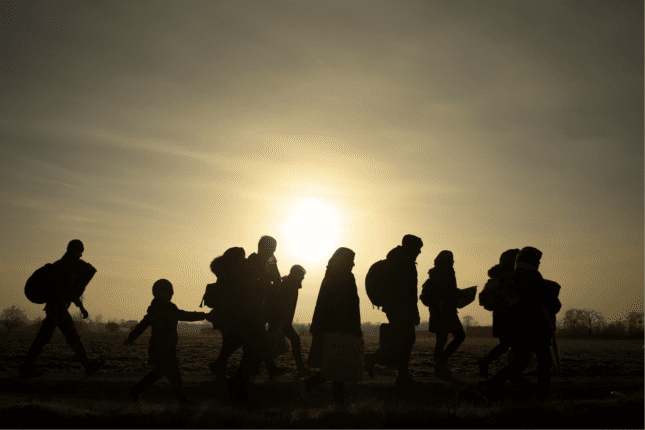
›Environmental shocks have been linked to significant changes in human migration around the world. Yet the large literature on environmental change and migration to date has primarily focused on working-age adults, working largely on the assumption that climatic impacts are most likely to influence labor migration.
-
ECSP Weekly Watch | June 17 – 21
›A window into what we are reading at the Wilson Center’s Environmental Change and Security Program
Brazil Joins the Rare Earth Minerals Race to Curb Chinese Dominance (Reuters)
Brazil has the world’s third-largest reserves of rare earth minerals. Yet China dominates that market, accounting for 95% of global production. The mining giant is taking steps aims to break this supply chain dominance by creating a robust rare earth industry of its own. The country’s first rare earths mine, Serra Verde, began commercial production in 2024.
-
Risks and Restoration: Land as a Driver of Conflict and Cooperation
›Land is crucial to people’s livelihoods, health and wellbeing, culture and identity. So disputes over access to or use of land are a prominent feature in many conflicts. The Environmental Justice Atlas finds that land is at the root of conflict dynamics in approximately a third of environmentally-driven cases recorded. And because land is increasingly under threat—20-40% of global land area is degraded—the risk of conflict is increasing.
-
ECSP Weekly Watch | June 3 – 7
›A window into what we are reading at the Wilson Center’s Environmental Change and Security Program
The Perils of Climate Reporting: Global Threats to Journalists Surge
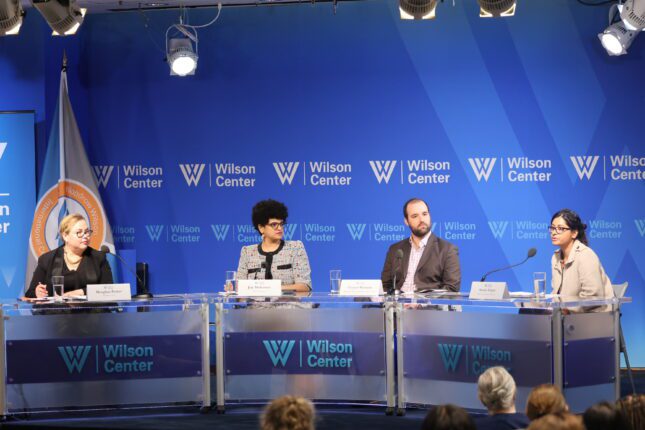
Environmental journalists are under attack. That is the conclusion of a new global survey conducted by Internews’ Earth Journalism Network and Deakin University. These researchers found that nearly 40% of climate and environment journalists have been threatened with harm, with 11% experiencing actual physical violence—often from individuals involved in illegal logging, mining, and other activities. Testimony from journalists at a recent ECSP event titled Environmental Journalists on the Frontlines of Democracy also made it clear that covering such illegal activities is increasingly perilous.
-
Environmental Journalists on the Frontlines of Democracy
›From record-breaking heat in 2023 to alarming levels of biodiversity loss, our global climate and environmental crises pose a growing threat to human and planetary wellbeing. But even as these crises intensify, the work of documenting them has itself become increasingly risky.
Across the world, threats and attacks against journalists who report on environmental degradation and investigate environmental crimes are on the rise. A recent UNESCO survey reported 300 attacks against environmental journalists in the last five years—a 42 percent jump from the previous 5-year period.
-
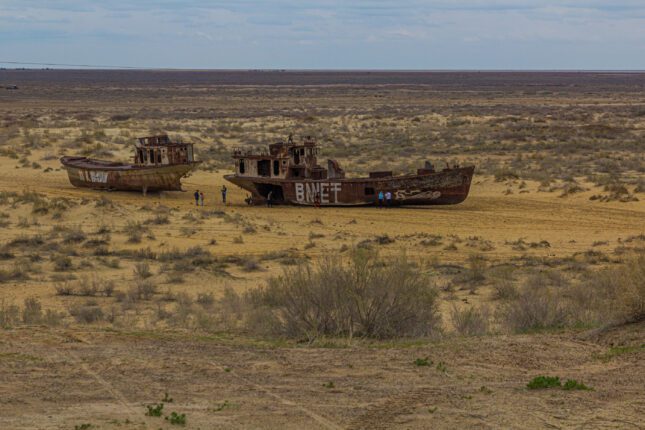
The Future of Central Asian Water Diplomacy
›Central Asia is known for its rich mineral resources and oil reserves, and its unique geographic position between Russia, China, and Iran. But it is also beginning to position itself as a potential leader in water diplomacy. This June, policymakers, academics, and those in the private sector will convene in Tajikistan for the Dushanbe Water Process. In partnership with the United Nations, the country is hosting biennial conferences between 2018-2028; this June will mark the third international high level conference on the topic.
Showing posts from category livelihoods.