-
How Gum Acacia Trees Could Help Build Peace in the Sahel
›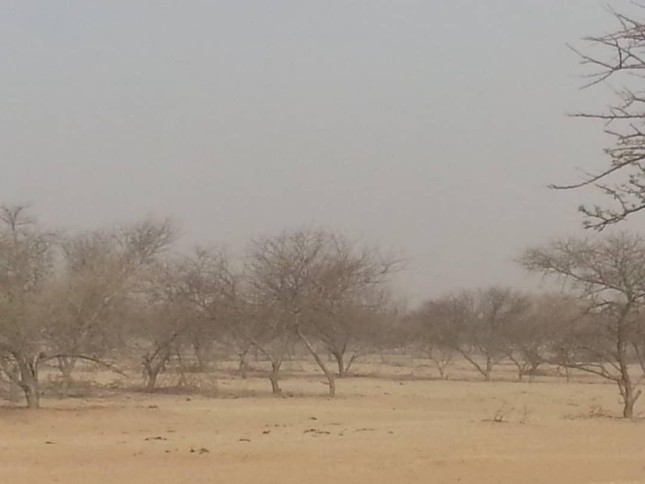
A special type of tree could facilitate peacebuilding in the Sahel. A stretch of semi-arid land south of the Sahara that runs from the Red Sea to the Atlantic Ocean through 10 countries (Eritrea, Sudan, Chad, Niger, Nigeria, Burkina Faso, Mali, Algeria, Mauritania, and Senegal). But the western subregion covering the Lake Chad area (the intersection of Chad, Cameroon, Nigeria, and Niger) and Liptako-Gourma (the tri-border zone of Burkina Faso, Mali, and Niger) in the Sahel has been the scene of a growing humanitarian crisis. Armed groups are terrorizing local populations. Rampant insecurity has forced 1 million people to flee their homes. People have been cut off from their livelihoods. Food insecurity is worsening. Casualties continue to mount. And climate change will likely exacerbate conditions, forcing more people to compete for depleted forest resources and land. More food shortages and instability will surely follow.
-
Destruction of Habitat and Loss of Biodiversity are Creating the Perfect Conditions for Diseases like COVID-19 to Emerge
›
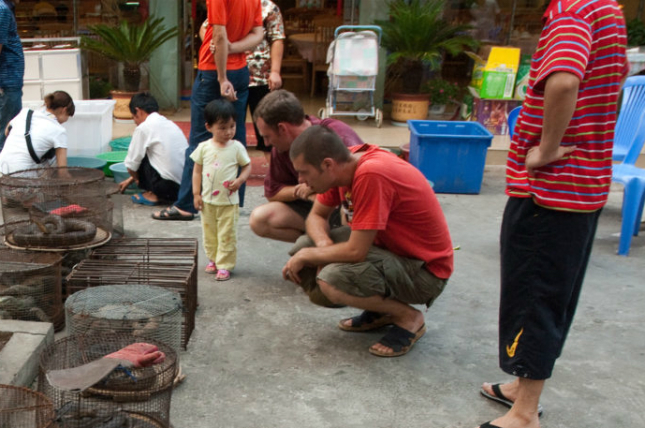
Mayibout 2 is not a healthy place. The 150 or so people who live in the village, which sits on the south bank of the Ivindo River, deep in the great Minkebe forest in northern Gabon, are used to occasional bouts of diseases such as malaria, dengue, yellow fever and sleeping sickness. Mostly they shrug them off.
-
Intense 2019 Amazon Fire Season May Become Dangerous Template for 2020
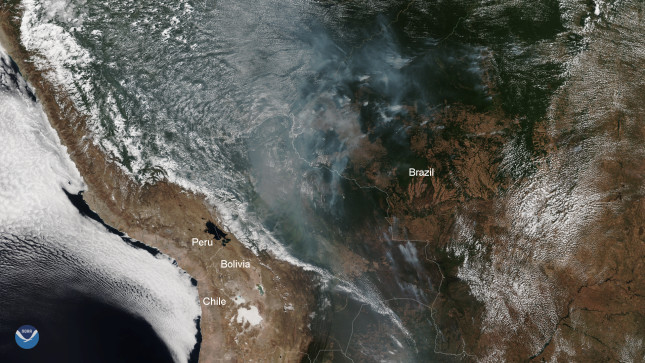
›The Amazon endured the most intense fire season in almost a decade in August 2019. On August 19, smoke from the faraway fires blackened the skies over Sao Paulo. By the next day, the hashtag “#PrayforAmazonia” was sweeping across Twitter. The social media outcry brought world attention to the already dire scientific warnings, and world leaders offered aid and pressured Brazilian President Jair Bolsonaro to take action.
-
Foresight for Action | Ecosystem Degradation, Transnational Migration, and Political Instability: Three Main Tipping Points for East Africa
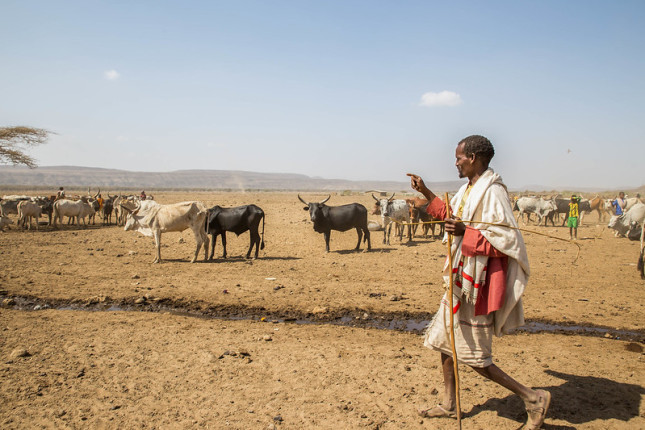
›The Horn of Africa faces critical security and climate risks. Persistent droughts have precipitated the onset of food insecurity and waterborne disease, while heavy rain events such as Cyclone Sagar have caused widespread flooding, mudslides, and wind damage. These challenges are increasing in severity against a backdrop of changing demographic trends—including rapid population growth, increased migration, and urbanization—and power struggles both within and between countries in the region.
-
Mohamed’s Story: The Climate Conflict Trap in the Lake Chad Basin
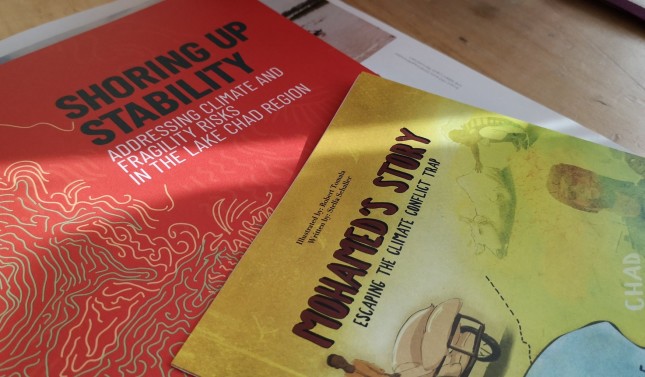
›Years ago, Mohamed’s family had enough to eat, despite being poor. His daughter owned a vegetable stall at a bustling market in northeastern Nigeria. The family had options: during the dry season, when Lake Chad was shallow, Mohamed could farm; and during the wet season, he could fish or graze his cattle.
-
Lisa Palmer, Mongabay
Precision conservation: High tech to the rescue in the Peruvian Amazon
›August 28, 2019 // By Wilson Center StaffThe mother capybara and her three babies chew on grasses along the Los Amigos River as we drift near. Around a bend, white caimans fortify each sandbar, mouths open, waiting. Kingfishers plunge into the water to retrieve a morning meal, as oropendolas fly overhead. Spider monkeys and red howlers balance in the treetops of the soaring canopy 30 to 60 meters (100 to 200 feet) high that lines both riverbanks.
-
Providing Water Security in an Uncertain World
›A problem is looming. Most water infrastructure isn’t designed to meet the demands of the increasingly volatile world that climate change is producing. Our modern landscape requires a reconceptualization of infrastructure’s demands and needs that often defies convention. And nowhere is a flexible and responsive approach more crucial than in water infrastructure, where we are experiencing unprecedented changes in flows and increasing pressures on consumption, according to Wellspring: Source Water Resilience and Climate Adaptation, a new report from the Global Resilience Partnership, the Alliance for Global Water Adaptation and The Nature Conservancy. The report explores some ways practitioners can take a new approach to source water protection that would enhance resilience and help sustain communities and ecosystems in a shifting climate.
-
Lost in Translation: How Building “Strong” Institutions can Diminish Human Security in the Global South
›In the Global South, natural resource conflict has largely been considered a consequence of poor governance and weak political institutions. The international community’s solution? Build “green” governance capacity as a way to mitigate violent conflict and improve environmental outcomes. For the international development community, this has meant introducing laws, policies, and practices based on international standards of best practice, and training local regulators to adhere to those standards.
Showing posts from category land.