-
When Climate Change Meets Positive Peace
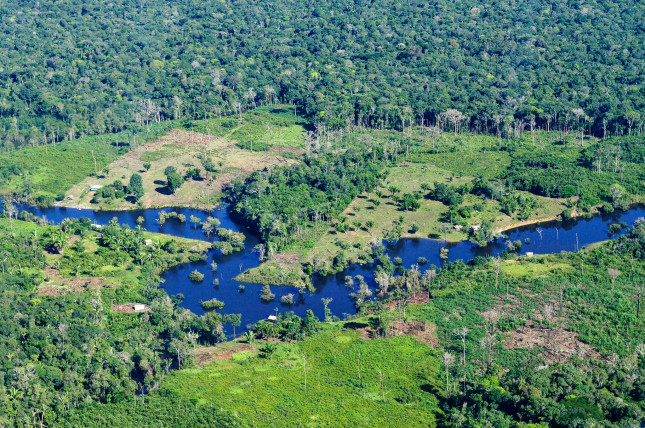
›
Climate change is being increasingly framed as a security issue—a “threat multiplier” that can amplify the risks of breakdowns in peacefulness. Yet, even extreme climate hazards do not always lead to higher levels of violence.
-
Urban Elites’ Livestock Exacerbate Herder-Farmer Tensions in Africa’s Sudano-Sahel
› In recent years, conflict between herders and farmers for access to increasingly scarce natural resources in Africa’s Sudano-Sahel has escalated. While the problems fueling these tensions are both hyper-local and transnational in nature, one important piece of the puzzle has been overlooked. The real “elephant in the room” is who owns the livestock.
 -
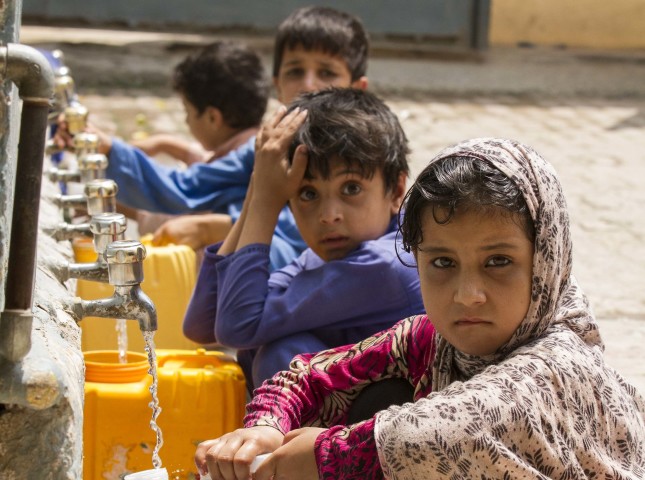
Water as a Tool for Resilience in Times of Crisis
›Water serves as a tool for resilience only when access to it is consistent and the system for making it consistent is in place, said David De Armey, Director of International Partnerships for Water for Good, an international NGO. He spoke at a recent Wilson Center event, “Water as a Tool for Resilience in Times of Crisis,” the second event in a three-part series, Water Security for a Resilient World, sponsored by the Wilson Center, Winrock International, the Sustainable Water Partnership, and USAID. Water for Good monitors 80 percent of wells across seven provinces in Central African Republic (CAR), he said. By keeping the water infrastructure working, the nonprofit creates a stable environment within an unstable country. “Thus,” he said, “we see reliability and services as a tool for resilience.”
-
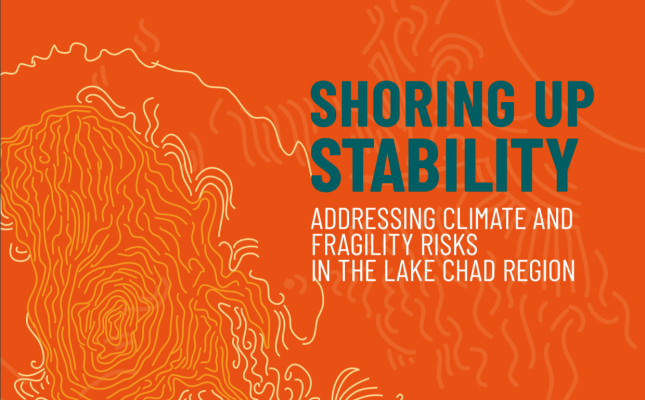
New Report Addresses Climate and Fragility Risks in the Lake Chad Region
›May 15, 2019 // By Truett SparkmanContrary to popular belief, Lake Chad is not shrinking, according to Shoring up Stability: Addressing Climate and Fragility Risks in the Lake Chad Region, a new report from adelphi. This finding has profound implications for how the governments of countries bordering Lake Chad (Nigeria, Niger, Chad, and Cameroon) as well as the international community should address the conflict trap in which the people of the region are caught. “Supporting the people of the basin,” write the authors, “is not a function of saving Lake Chad from desiccation.”
-
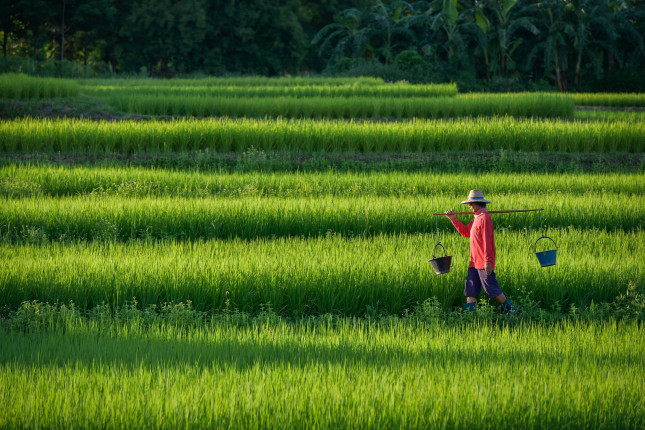
Reclaiming China’s Worn-out Farmland: Don’t Treat Soil Like Dirt
›China’s food security is rooted in its soil. Sadly, more than 40 percent of China’s soil is degraded from overuse, erosion, and pollution. The government’s 2014 soil survey revealed that 19 percent of China’s farmland was contaminated by metals such as lead, cadmium, and arsenic as well as organic and inorganic chemical pollutants. As part of its growing war on pollution, China’s central government enacted a new soil pollution law on January 1, 2019, to clean up contaminated sites. However, this new law targets just one of the many critical soil quality issues that reduce agricultural yield but does not address the problem of compacted soil.
-
Better Water Security Translates into Better Food Security
›“Food production is the largest consumer of water and also represents the largest unknown factor of future water use as the world’s population continues to balloon, and we face increasing weather-related shocks and stresses,” said Laura Schulz, Acting Deputy Assistant Administrator in USAID’s Bureau for Economic Growth, Education and Environment. She spoke at “Feeding a Thirsty World: Harnessing the Connections Between Food and Water Security,” an event sponsored by the Wilson Center, Winrock International, the Sustainable Water Partnership, and USAID. Currently about 70 percent of global water goes to agriculture, a number that is projected to rise “as high as 92 percent,” said Rodney Ferguson, the President and CEO of Winrock International.
-
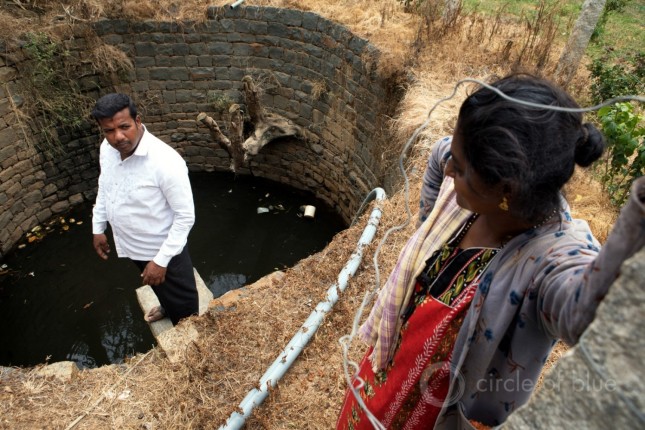
Groundwater Scarcity, Pollution Set India on Perilous Course
›Doula Village lies 55 kilometers (34 miles) northeast of New Delhi on a flat expanse of Uttar Pradesh farmland close to the Hindon River. Until the 1980s Doula Village’s residents, then numbering 7,000, and its farmers and grain merchants, thrived on land that yielded ample harvests of rice, millet, and mung beans. The bounty was irrigated with clean water transported directly from the river, or with the sweet groundwater drawn from shallow wells 7 meters (23 feet) deep.
-
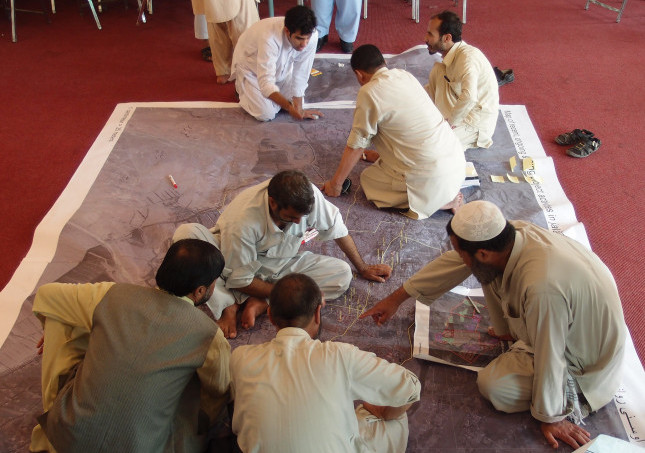
Resource Nexus Approaches Can Inform Policy Choices
›Guest Contributor // January 8, 2019 // By Stacy D. VanDeveer, Raimund Bleischwitz & Catalina SpataruThe unabated growth of natural resource consumption raises risks that we will outstrip the capacities of ecosystems and governance institutions. At the same time, to achieve important global goals related to poverty alleviation, public health, equity and economic development such as those embodied in the United Nations Sustainable Development Goals (SDGs), we will simultaneously need more resources and better management of natural resources everywhere.
Showing posts from category land.
 In recent years, conflict between herders and farmers for access to increasingly scarce natural resources in Africa’s Sudano-Sahel has escalated. While the problems fueling these tensions are both hyper-local and transnational in nature, one important piece of the puzzle has been overlooked. The real “elephant in the room” is who owns the livestock.