-
Backdraft #9: Joshua Busby on Mapping Hotspots of Climate and Security Vulnerability
› Maps help us to grasp complex ideas, such as patterns of risk and vulnerability, but the stories they tell can have significant implications. “It’s very difficult to validate that what you’re capturing in the maps is representative of real-world phenomenon,” says Joshua Busby in this week’s “Backdraft” episode, describing his efforts to map climate and security hotspots in Africa and Asia. “You have to be modest in what you think the maps can tell policymakers, but also realize there is some seductive power in the way maps simplify complex reality.”
 -
Observing Earth: Using Satellite Data for International Development
›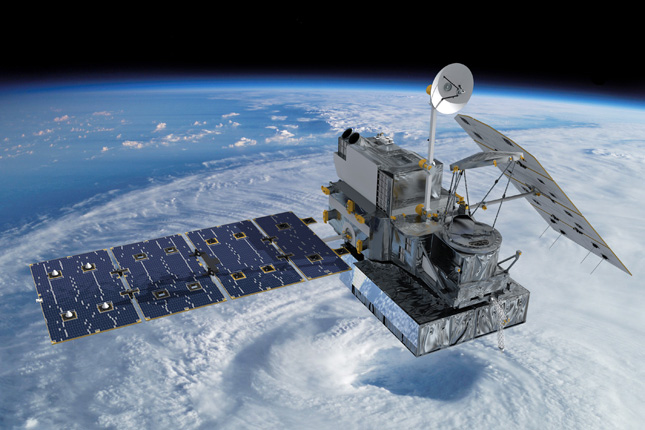
“Interest in earth observation—and in particular, the value to what we do in development internationally—has never been higher,” said Jenny Frankel-Reed, adaptation team lead at the U.S. Agency for International Development (USAID). Frankel-Reed spoke at the Wilson Center’s recent panel discussion of the earth observation data program known as SERVIR, which included insights from USAID’s soon-to-be-released evaluation of the program.
-
Water Security and U.S. Foreign Policy in India, Pakistan, and the Philippines
›In 2012, the U.S. National Intelligence Council judged that within the next 10 years, water problems would be a major contributor to instability in “many” countries that are of interest to the United States. South and Southeast Asia, with its many transboundary river basins, large populations, and geopolitical flashpoints, is one among a number of hotspots where such instability could occur.
-
Social Justice or Forest Conservation? Cross-Regional Comparisons Reveal a False Trade-Off
›The present understanding of the relationship between environmental conservation and social justice, two of the greatest challenges of our times, is fraught with multiple confusions, especially in the context of developing countries.
-
Christophe Angely on Overcoming Pessimism for the Sahel
›The Sahel region of Africa is a wide band that marks the transition from the Sahara Desert in the north to the wetter, sub-tropical regions in the south. The Sahelian countries have some of the most rapidly growing populations in the world and have faced significant environmental change over the past century. In recent years, insurgencies have surged in several countries, new terrorist groups have become active, there have been several droughts, and migration has increased. -
Fertile Ground? Climate Change and Jihadism in Mali
›The epicenter of violence in the unstable country of Mali has historically been in the north, a contested region from where Touareg separatist and jihadist armed groups launched an insurgency against the state in 2012. But over the last two years, there has been a marked shift in communal and anti-state violence to the central region, and climate change may have played a role.
-
Backdraft #7: Janani Vivekananda on What Renewable Energy Projects Can Learn From Oil, and Future-Proofing Humanitarian Responses
›As more and more development and humanitarian programs contend with climate-related problems, there are important lessons learned from past experience that should not be forgotten, says Janani Vivekananda, formerly of International Alert and now with adelphi, in this week’s episode of “Backdraft.” -
Chased by Drought, Rising Costs, and Clean Technology, India Pivots on Coal
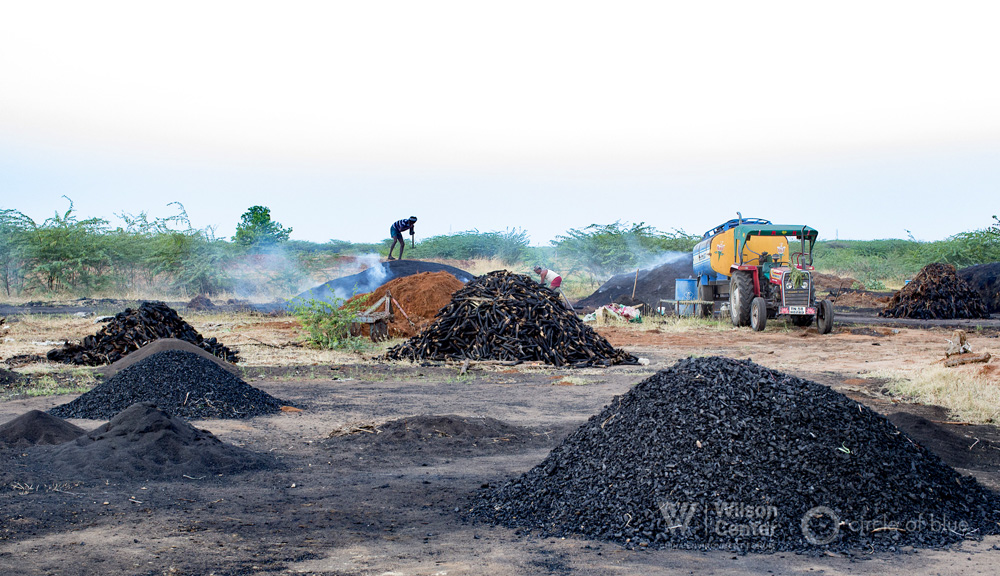
›VILAMBUR, India – The mammoth coal-fired Cheyyur electrical station was first imagined by bankers at India’s Power Finance Corporation and senior engineers across town at the Central Electric Authority. That was in 2005, when the country was rich in fossil fuel resources and desperate for electric power. Though India mined more coal than almost any other country, endemic blackouts and brownouts enfeebled its economic prospects.
Showing posts from category land.
 Maps help us to grasp complex ideas, such as patterns of risk and vulnerability, but the stories they tell can have significant implications. “It’s very difficult to validate that what you’re capturing in the maps is representative of real-world phenomenon,” says Joshua Busby in this week’s “Backdraft” episode, describing his efforts to map climate and security hotspots in Africa and Asia. “You have to be modest in what you think the maps can tell policymakers, but also realize there is some seductive power in the way maps simplify complex reality.”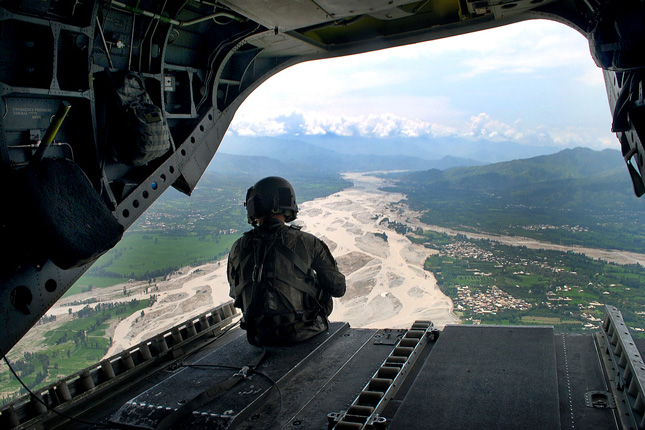
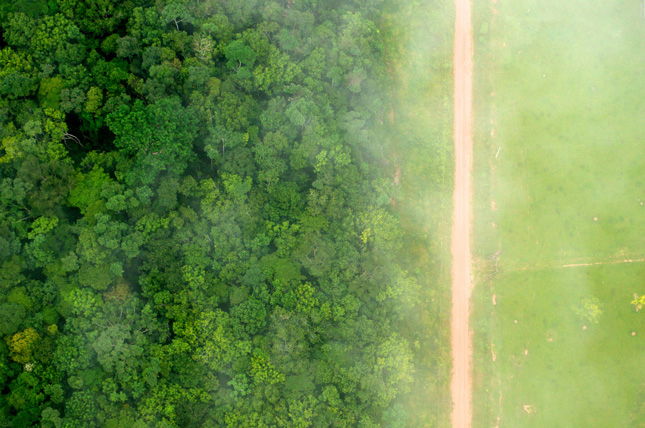
 The Sahel region of Africa is a wide band that marks the transition from the Sahara Desert in the north to the wetter, sub-tropical regions in the south. The Sahelian countries have some of the most rapidly growing populations in the world and have faced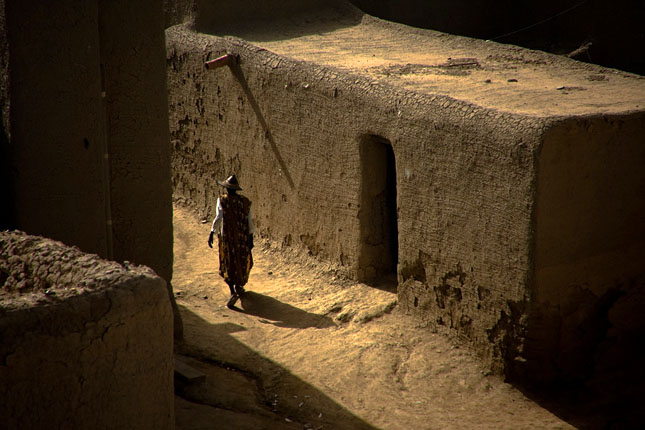
 As more and more development and humanitarian programs contend with climate-related problems, there are important lessons learned from past experience that should not be forgotten, says Janani Vivekananda, formerly of International Alert and now with adelphi, in this week’s episode of “