-
Can Kazakhstan Meet Its Climate Goals?
›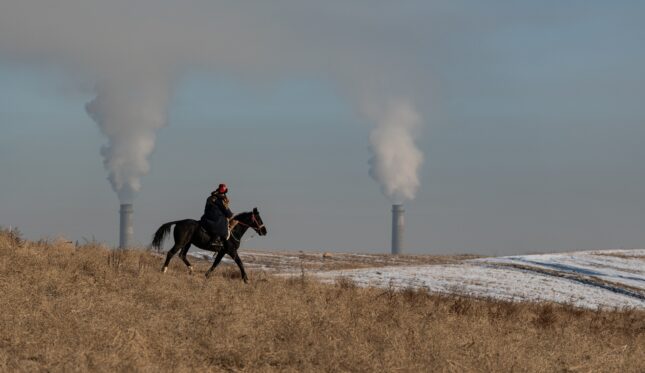
“I’m only 33 years old. I have my entire life to live, and I would like to retire on a habitable planet.” | Zulfiya Suleimenova
Signs of our warming planet reveal themselves through the smallest of changes. Zulfiya Suleimenova, Kazakhstan’s Special Representative for International Environmental Cooperation, noticed something odd when she left Kazakhstan’s capital, Astana, in late November for the 28th United Nations Climate Conference (COP28).
-
The Arc | Dr. Renata Giannini on Women Environmental Defenders in the Amazon and Climate Mitigation
› In today’s episode of The Arc, ECSP’s Angus Soderberg and Claire Doyle interview Wilson Center Fellow Dr. Renata Giannini about her work with women environmental defenders in the Amazon and their role at COP30 in Brazil. Select quotes from the interview are featured below.
 -
ECSP Weekly Watch: April 15 – 19
›UNFPA’s State of World Population 2024 Report Highlights SRHR Inequalities (UNFPA)
Over the last 30 years, the world has made immense progress in improving sexual and reproductive health and rights (SRHR) for women and girls around the world. Since 1994, when governments agreed that SRHR was a cornerstone of international development at the Cairo International Conference on Population, rates of unintended pregnancies have fallen 20%, 162 countries have adopted anti-domestic violence laws, and maternal deaths have decreased by 34%.
-
Thought-leaders and Frontline Workers in Environmental Peacebuilding: An Oral History | Dr. Erika Weinthal
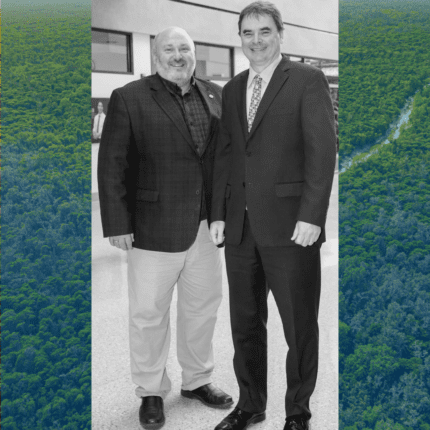
›Environmental Peacebuilding Oral History // New Security Broadcast // April 12, 2024 // By Wilson Center Staff
Today’s episode of New Security Broadcast is hosted by ECSP in collaboration with the Environmental Peacebuilding Association as part of a special series: “Thought-leaders and Frontline Workers in Environmental Peacebuilding: An Oral History.” The series features interviews with academics, practitioners, and frontline workers to trace the history and evolution of the field of environmental peacebuilding.
-
ECSP Weekly Watch | April 8 – 12
›A window into what we are reading at the Wilson Center’s Environmental Change and Security Program
Cholera in Southern Africa Linked to Climate Threats (The New Humanitarian)
In Southern Africa, climate change is encouraging rural-to-urban migration that is also creating a public health crisis. Cholera outbreaks have infected 188,000 Southern Africans since 2022, with 4,100 deaths. Zambia currently faces the harshest impacts, with 705 reported deaths and 21,000 infections since October. Its president, Hakainde Hichilema, even called for citizens to move out of cities to prevent the spread of cholera in January—largely due to increasing concern of the diseases’ spread in informal settlements.
-
Plowing Under the EU Green Deal? Climate Policy and the European Parliament Elections
›This article originally appeared on the blog of Wilson Center’s Global Europe Program.
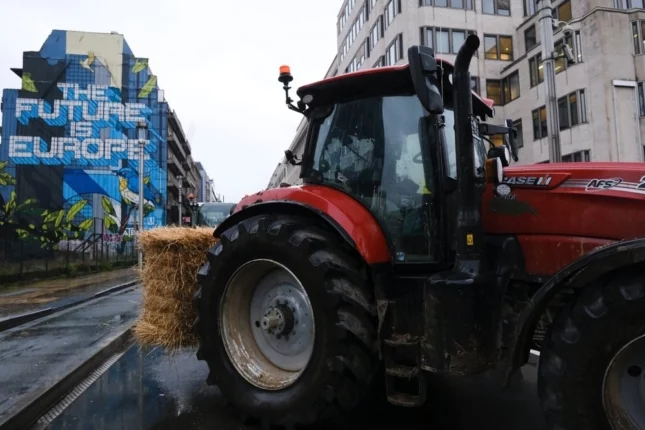
The recent farmers’ protests that erupted across several EU countries have put the EU climate debate in the limelight of the European Parliament election campaigns. From Spain to Poland, farmers have been expressing grievances over falling margins; rising costs for energy, fertilizers, and transport; increasing competition from Ukrainian imports; and complex bureaucratic procedures.
-
ECSP Weekly Watch: March 25 – 29
›A window into what we are reading at the Wilson Center’s Environmental Change and Security Program
UN Report Highlights Relationship Between Water and Peace (UN Water)
Freshwater consumption is growing at a steady rate, driven largely by agriculture, yet roughly 50% of the world’s population experiences severe water scarcity for at least part of the year. Poor water quality in low-income countries is attributable to low wastewater treatment, whereas in high-income countries, agricultural runoff does the damage. Extreme droughts or heavy rainfall, exacerbated by climate change, also have worsened in frequency and intensity, creating a deepening impact on global water security.
-
Thought-leaders and Frontline Workers in Environmental Peacebuilding | An Oral History: Dr. Ken Conca and Dr. Geoff Dabelko
›Environmental Peacebuilding Oral History // New Security Broadcast // March 19, 2024 // By Wilson Center Staff
On today’s episode of New Security Broadcast, ECSP and the Environmental Peacebuilding Association launch a series of oral history interviews with academics, practitioners, and frontline workers to trace the history of the field of environmental peacebuilding. From the people who helped shape the field to those who are bringing new approaches and perspectives today, our guests give us a behind-the-scenes look at how the field first emerged and how it has evolved.
Showing posts from category international environmental governance.
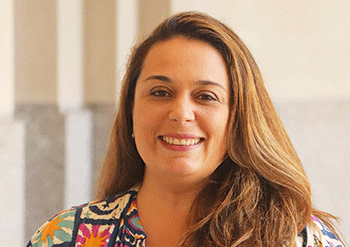 In today’s episode of The Arc, ECSP’s Angus Soderberg and Claire Doyle interview Wilson Center Fellow Dr. Renata Giannini about her work with women environmental defenders in the Amazon and their role at COP30 in Brazil. Select quotes from the interview are featured below.