-
ECSP Weekly Watch | March 11 – 15
›
A window into what we are reading at the Wilson Center’s Environmental Change and Security Program
China is Leading the World on Renewable Energy (Yale 360)
In November, Chinese and U.S. climate envoys pledged to triple global renewable energy by 2030, signaling renewed cooperation between the top two greenhouse gas emitters. However, the two countries are not quite on equal footing when it comes to renewable energy.
-
ECSP Weekly Watch: March 4 – 8
›
A window into what we are reading at the Wilson Center’s Environmental Change and Security Program
Climate Change Disproportionately Impacts Rural Women (U.N. Food and Agriculture Organization)
A recent report by the U.N. Food and Agriculture Organization analyzed data from 24 low- and middle- income countries (LMICs) across five regions and over 100 thousand rural households to measure the impacts of climate change on rural women, youth, and people living in poverty. It found that climate change’s impacts disproportionately impact households headed by women, with income losses due to extreme heat (8% income loss) and flooding (3% income loss), relative to households led by men. The income gap between men and women was also widened as a result.
-
New Security Broadcast | Sarah Ladislaw on US Climate Security and “Mutually Assured Resilience”
›In today’s episode of New Security Broadcast, ECSP Program Director Lauren Risi speaks with Sarah Ladislaw, Special Assistant to the President and Senior Director for Climate and Energy at the National Security Council (NSC). In the conversation, Special Assistant Ladislaw describes her role at the NSC and the most pressing climate security challenges facing the US. She also reflects on her recent address at the Munich Security Conference, and her vision for achieving “mutually assured resilience.” -
The New Arctic: Amid Record Heat, Ecosystems Morph and Wildlife Struggle
›This article, by Sharon Guynup, originally appeared on Mongabay.
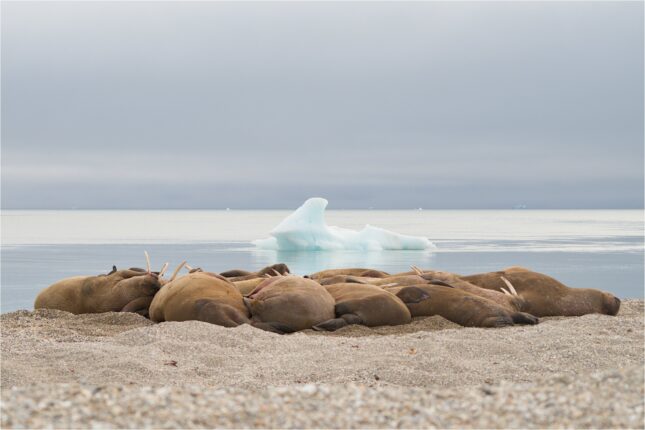
Walruses have traversed the Arctic for millennia, gregarious pinnipeds that rest en masse on drifting pack ice, diving to feed on crabs, clams and other seafloor delicacies. Icy platforms also serve as safe birthing and nursery grounds. But as the far north rapidly warms and sea ice disappears, some herds now huddle on overcrowded shorelines, with deadly consequences for young calves: Because more disturbances occur on shore than at sea, calves are regularly trampled during panicked stampedes by the 1-ton-plus adults.
-
ECSP Weekly Watch: February 26 – March 1
›A window into what we are reading at the Wilson Center’s Environmental Change and Security ProgramAssessing Irrigation’s Impact on Pastoralists (The New Humanitarian)
In many African drylands, especially in Kenya, large-scale irrigation projects are attracting significant attention and funding. The concept of “greening the desert” has the potential to create economic opportunity and boost available resources in drought-threatened territory. However, these large-scale projects have often brought negative impacts for pastoral communities.
-
ECSP Weekly Watch: February 19 – 23
›A window into what we are reading at the Wilson Center’s Environmental Change and Security ProgramProgress—and Room for Improvement—in UNEP’s Annual Report (United Nations Environment Programme)
How effective is the United Nations Environment Programme (UNEP)’s work on the fight against climate change? Its Annual Report analyzed the work it has done over the past year to do so. The UNEP supports key areas in which progress has been made, including waste reduction through the Global Framework on Chemicals and global instrument on plastic pollution, biodiversity protection efforts through various frameworks, and loss and damage mobilization through COP28.
-
Environment and Security | Q&A with Editor in Chief, Ashok Swain
›From Afghanistan, Nepal, and Libya to the Arctic, the new issue of Environment and Security takes a fresh look at emerging issues at the intersection of environment and security. Ashok Swain, Editor in Chief of Environment and Security, spotlights some of the new research and insights in this Q&A with ECSP staff.
Q: The new issue of Environment and Security features an article on Arctic governance, including a close examination of the International Code for Ships Operating in Polar Waters (Polar Code). How do the authors assess this regulatory instrument as it enters its 10th year since adoption?
-
ECSP Weekly Watch | January 15 — 19
›A window into what we are reading at the Wilson Center’s Environmental Change and Security Program
The Worsening Environmental Impact of the War in Gaza
The Gaza Strip has long been uniquely vulnerable to the climate crisis, with rapid temperature increase and decreasing rainfall plaguing this whole region. Even prior to the current conflict, NGOs in the region and the UN have warned that climate change would be devastating, particularly for food and water security in the Gaza Strip and West Bank.
Showing posts from category international environmental governance.
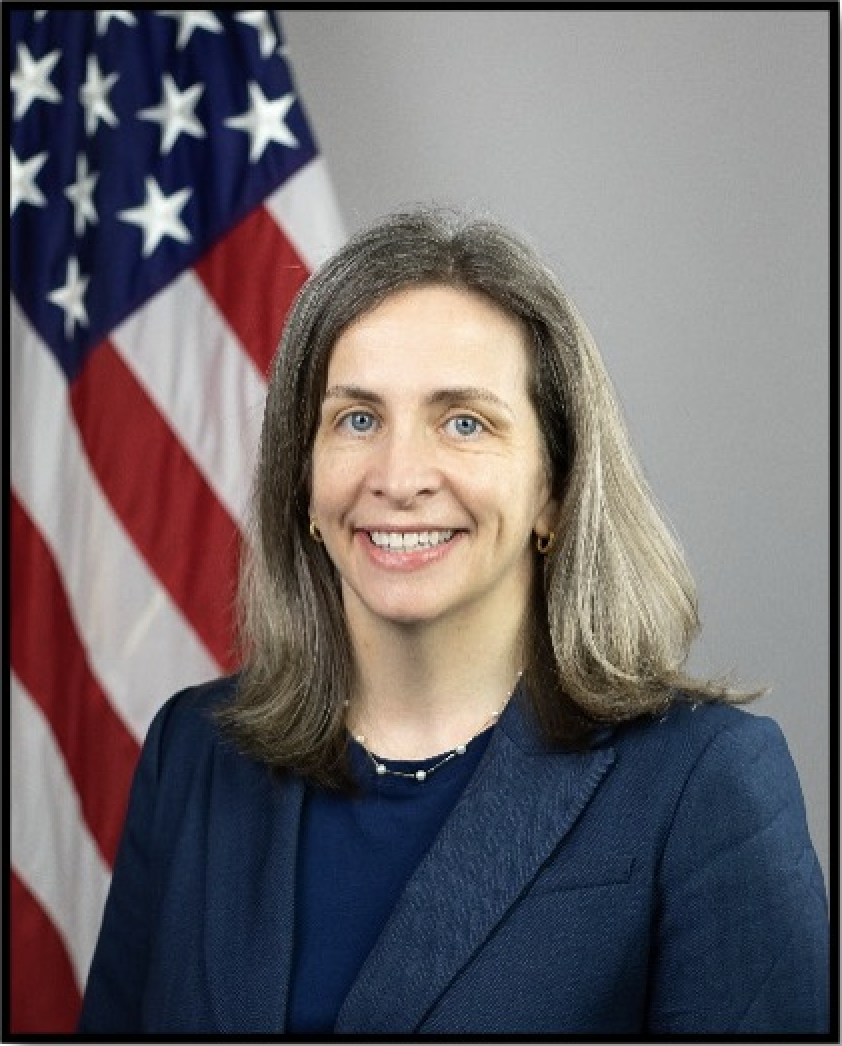 In today’s episode of New Security Broadcast, ECSP Program Director Lauren Risi speaks with Sarah Ladislaw, Special Assistant to the President and Senior Director for Climate and Energy at the National Security Council (NSC). In the conversation, Special Assistant Ladislaw describes her role at the NSC and the most pressing climate security challenges facing the US. She also reflects on her recent address at the Munich Security Conference, and her vision for achieving “mutually assured resilience.”