-
ECSP Weekly Watch | April 8 – 12
›
A window into what we are reading at the Wilson Center’s Environmental Change and Security Program
Cholera in Southern Africa Linked to Climate Threats (The New Humanitarian)
In Southern Africa, climate change is encouraging rural-to-urban migration that is also creating a public health crisis. Cholera outbreaks have infected 188,000 Southern Africans since 2022, with 4,100 deaths. Zambia currently faces the harshest impacts, with 705 reported deaths and 21,000 infections since October. Its president, Hakainde Hichilema, even called for citizens to move out of cities to prevent the spread of cholera in January—largely due to increasing concern of the diseases’ spread in informal settlements.
-
Plowing Under the EU Green Deal? Climate Policy and the European Parliament Elections
›
This article originally appeared on the blog of Wilson Center’s Global Europe Program.
The recent farmers’ protests that erupted across several EU countries have put the EU climate debate in the limelight of the European Parliament election campaigns. From Spain to Poland, farmers have been expressing grievances over falling margins; rising costs for energy, fertilizers, and transport; increasing competition from Ukrainian imports; and complex bureaucratic procedures.
-
ECSP Weekly Watch: March 25 – 29
›A window into what we are reading at the Wilson Center’s Environmental Change and Security Program
UN Report Highlights Relationship Between Water and Peace (UN Water)
Freshwater consumption is growing at a steady rate, driven largely by agriculture, yet roughly 50% of the world’s population experiences severe water scarcity for at least part of the year. Poor water quality in low-income countries is attributable to low wastewater treatment, whereas in high-income countries, agricultural runoff does the damage. Extreme droughts or heavy rainfall, exacerbated by climate change, also have worsened in frequency and intensity, creating a deepening impact on global water security.
-
Thought-leaders and Frontline Workers in Environmental Peacebuilding | An Oral History: Dr. Ken Conca and Dr. Geoff Dabelko
›Environmental Peacebuilding Oral History // New Security Broadcast // March 19, 2024 // By Wilson Center Staff
On today’s episode of New Security Broadcast, ECSP and the Environmental Peacebuilding Association launch a series of oral history interviews with academics, practitioners, and frontline workers to trace the history of the field of environmental peacebuilding. From the people who helped shape the field to those who are bringing new approaches and perspectives today, our guests give us a behind-the-scenes look at how the field first emerged and how it has evolved.
-
ECSP Weekly Watch | March 11 – 15
›A window into what we are reading at the Wilson Center’s Environmental Change and Security Program
China is Leading the World on Renewable Energy (Yale 360)
In November, Chinese and U.S. climate envoys pledged to triple global renewable energy by 2030, signaling renewed cooperation between the top two greenhouse gas emitters. However, the two countries are not quite on equal footing when it comes to renewable energy.
-
ECSP Weekly Watch: March 4 – 8
›A window into what we are reading at the Wilson Center’s Environmental Change and Security Program
Climate Change Disproportionately Impacts Rural Women (U.N. Food and Agriculture Organization)
A recent report by the U.N. Food and Agriculture Organization analyzed data from 24 low- and middle- income countries (LMICs) across five regions and over 100 thousand rural households to measure the impacts of climate change on rural women, youth, and people living in poverty. It found that climate change’s impacts disproportionately impact households headed by women, with income losses due to extreme heat (8% income loss) and flooding (3% income loss), relative to households led by men. The income gap between men and women was also widened as a result.
-
New Security Broadcast | Sarah Ladislaw on US Climate Security and “Mutually Assured Resilience”
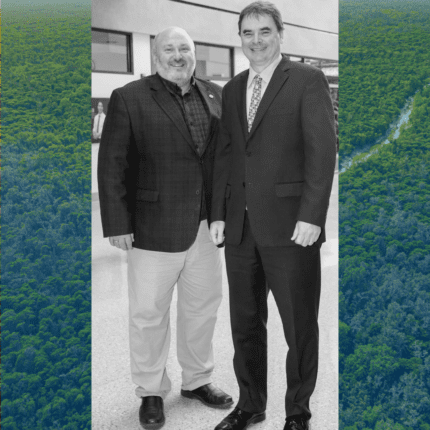
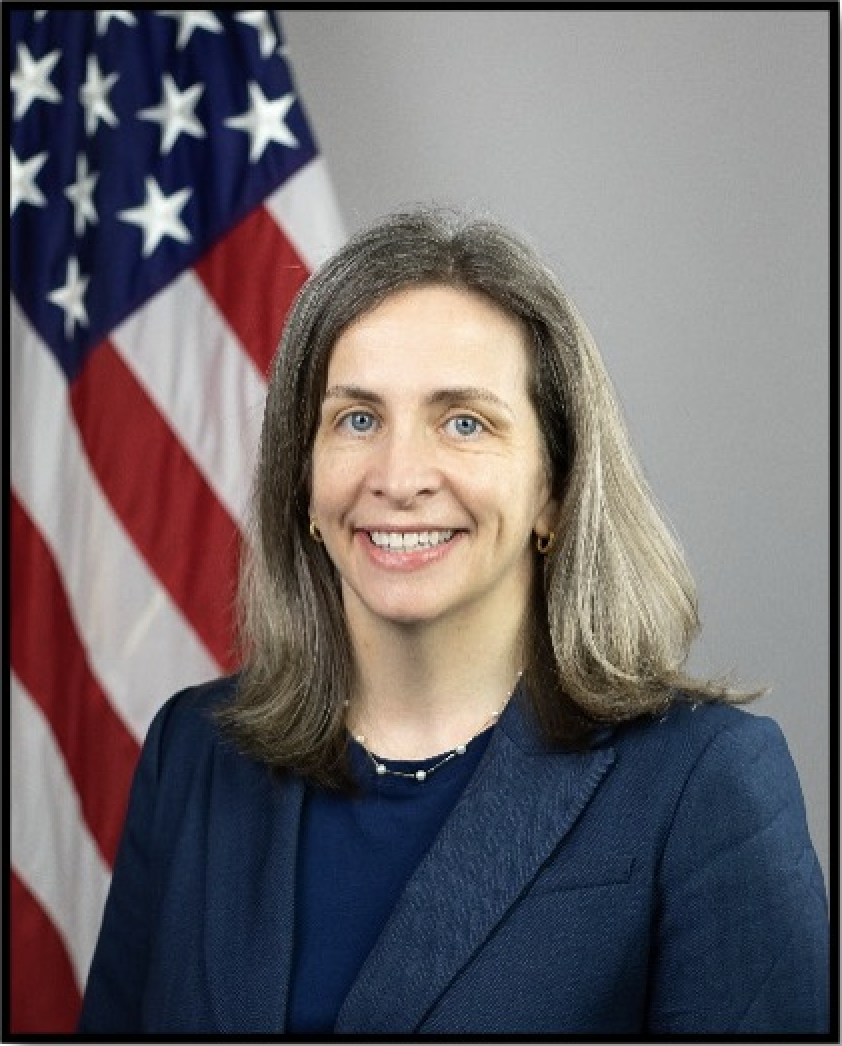
›In today’s episode of New Security Broadcast, ECSP Program Director Lauren Risi speaks with Sarah Ladislaw, Special Assistant to the President and Senior Director for Climate and Energy at the National Security Council (NSC). In the conversation, Special Assistant Ladislaw describes her role at the NSC and the most pressing climate security challenges facing the US. She also reflects on her recent address at the Munich Security Conference, and her vision for achieving “mutually assured resilience.” -
The New Arctic: Amid Record Heat, Ecosystems Morph and Wildlife Struggle
›This article, by Sharon Guynup, originally appeared on Mongabay.
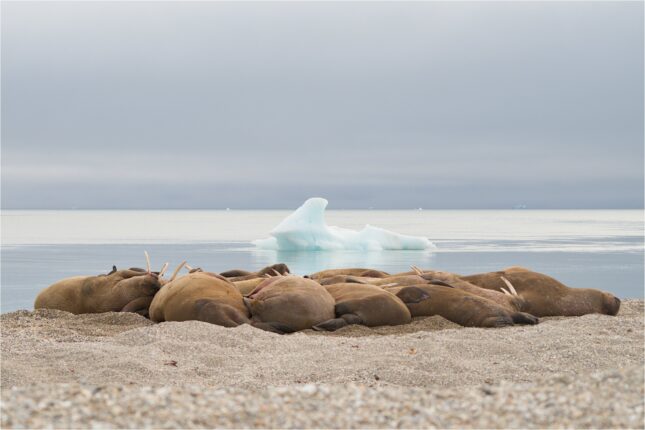
Walruses have traversed the Arctic for millennia, gregarious pinnipeds that rest en masse on drifting pack ice, diving to feed on crabs, clams and other seafloor delicacies. Icy platforms also serve as safe birthing and nursery grounds. But as the far north rapidly warms and sea ice disappears, some herds now huddle on overcrowded shorelines, with deadly consequences for young calves: Because more disturbances occur on shore than at sea, calves are regularly trampled during panicked stampedes by the 1-ton-plus adults.
Showing posts from category international environmental governance.

 In today’s episode of New Security Broadcast, ECSP Program Director Lauren Risi speaks with Sarah Ladislaw, Special Assistant to the President and Senior Director for Climate and Energy at the National Security Council (NSC). In the conversation, Special Assistant Ladislaw describes her role at the NSC and the most pressing climate security challenges facing the US. She also reflects on her recent address at the Munich Security Conference, and her vision for achieving “mutually assured resilience.”