

-
Imagine a Future Without Single-Use Plastics
›
If producing plastic waste were a race, Japan would be rushing for the gold medal. Japan and the United States both rank the highest per capita for plastic packaging waste in the world. Former Prime Minister Shinzo Abe’s administration set a goal to reduce Japan’s plastic waste production by 25 percent by 2030 and recent polls show the majority of the Japanese public wants strong actions to reduce plastic waste. Nevertheless, Japan is not doing enough to stem the tide of plastic entering the ocean. If Japan and the rest of the world fail to act more boldly, global oceanic plastic waste could triple by 2040. Current commitments of governments and corporations would only reduce global plastic leakage seven percent below the business-as-usual scenario. Japan’s current waste management system prioritizes recycling and incineration, encouraging a make-take-waste linear model of plastic consumption. Japan needs a circular economy built on a culture of reduction and reuse instead of single-use plastics.
-
Hitting the Brakes on Plastics in China’s Food Delivery Industry: Q&A with Zheng Xue and Sherry Lu of Plastic Free China
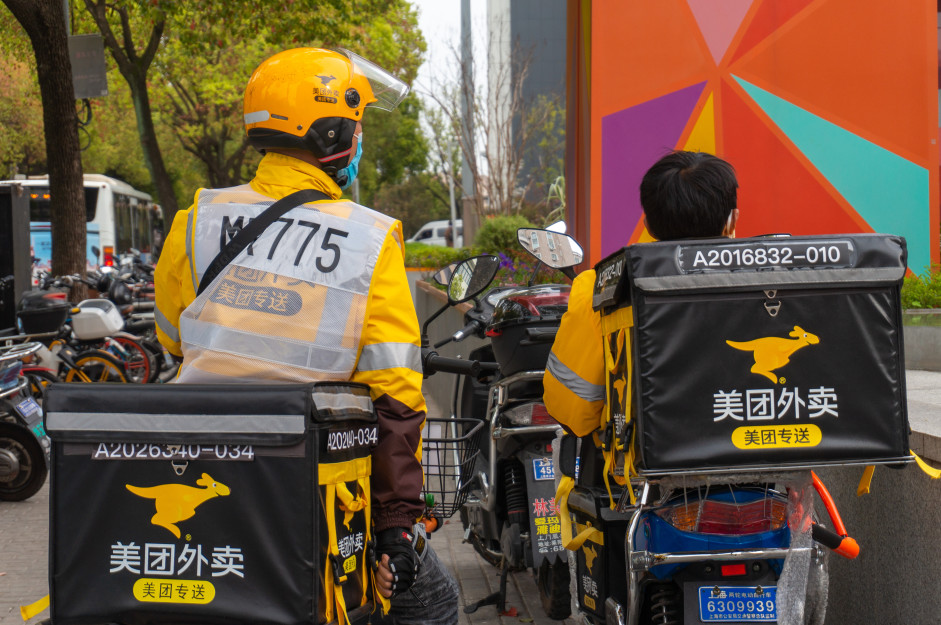
›China Environment Forum // Q&A // November 4, 2021 // By Solange Reppas, Mingwei Zhu, Tongxin Zhu & McKenna PotterIn every Chinese city, there is an army of motorcycles and mopeds weaving through the traffic jams, and sometimes even venturing on sidewalks, to deliver millions of food and e-commerce orders each day. Meituan, one of China’s most popular food delivery apps, delivers 30 million orders a day, serving up 100 million plastic containers. According to Greenpeace, e-commerce and express delivery in China generated 9.4 million tons of packaging waste in 2018 and will likely triple to 41.3 million tons by 2025.
-
Decarbonization in the United States and China: Fast and Furious Enough?
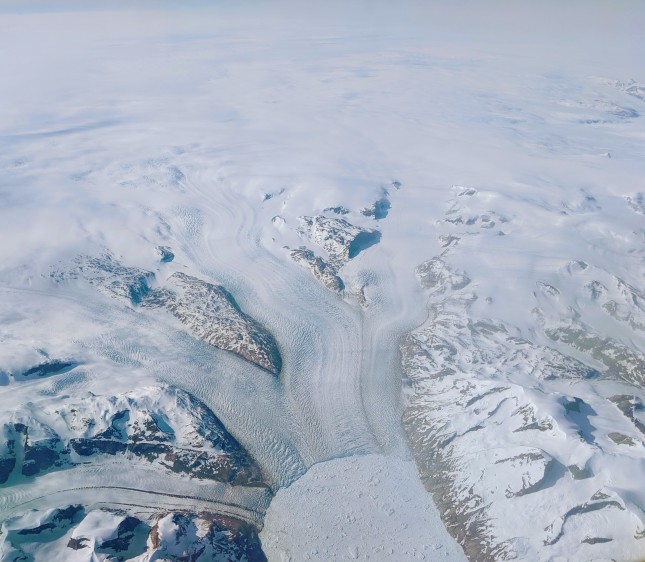
›A “code red for humanity”— that is how UN Secretary General António Guterres described the future climate scenarios laid out in the International Panel on Climate Change’s Sixth Assessment Report. According to the report, CO2 in the atmosphere has reached levels unseen in 2 million years, amplifying floods, droughts, and other environmental catastrophes around the world.
-
Developing Data-Driven Solutions to Vietnam’s Ocean Plastics Problem
›
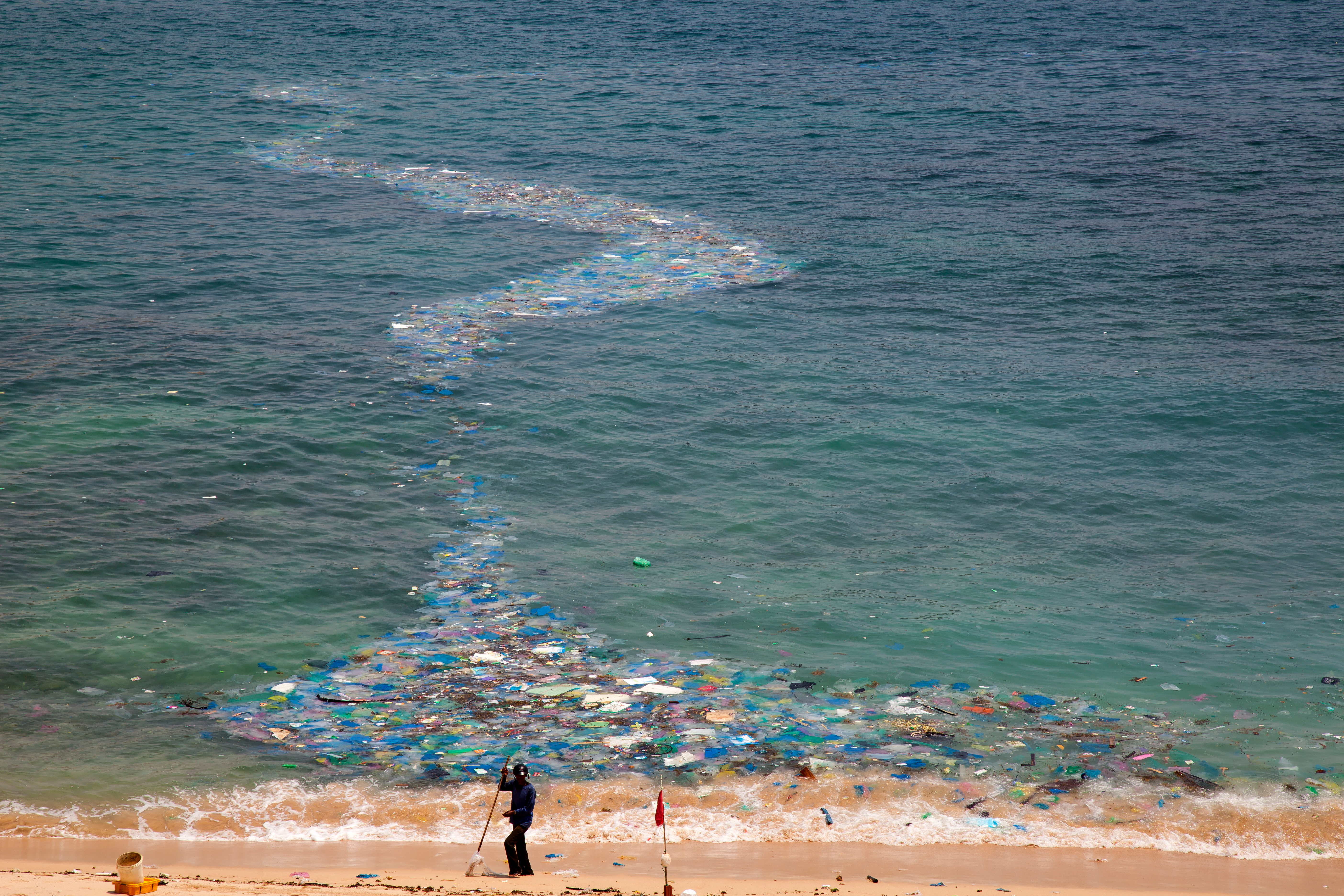
In December 2020, Vietnam’s Prime Minister Nguyễn Xuân Phúc signed the country’s National Action Plan for Management of Marine Plastic, setting an ambitious goal for the government to reduce marine plastic litter by 75 percent by 2030. Recent surveys indicate that plastics are the most prevalent and dangerous form of waste choking Vietnam’s beaches and waterways. Whether polystyrene, discarded nets, or mismanaged single-use plastics, these items are not just an eyesore, but they imperil the local ecosystem and fishing industry in Vietnam. -
The Apps Helping Indonesia’s Waste Collectors
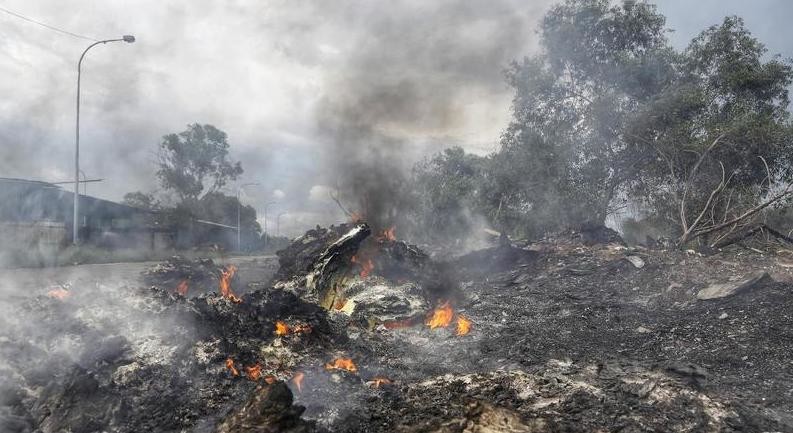
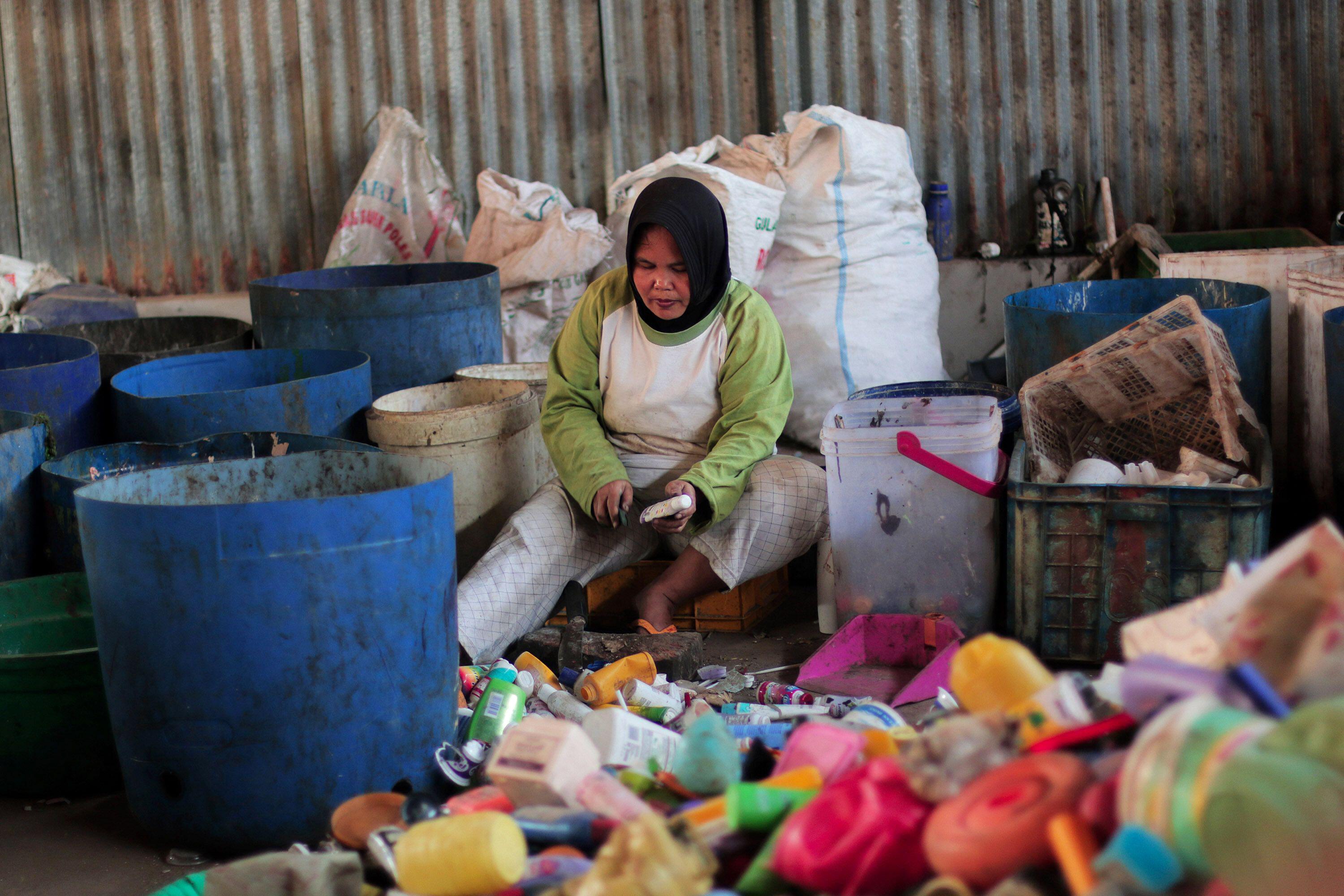
›Indonesia generates nearly 7 million tons of plastic waste each year but only 10 percent of that is recycled. The proportion is even lower in rural areas due to a lack of collection facilities. Waste is often burned or dumped on vacant land, and into rivers, lakes, and seas.
-
Peaceful Minefields: Environmental Protection or Security Risks?
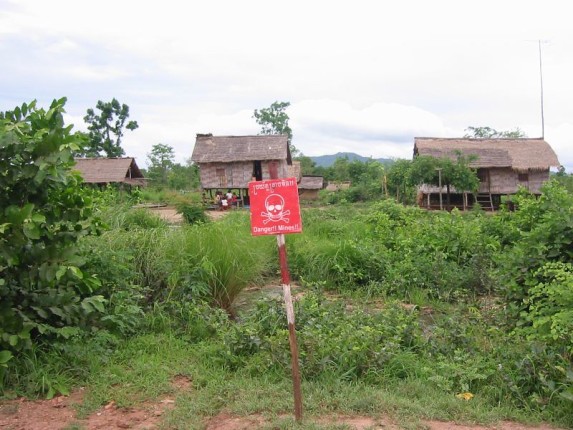
›On my first tour of a Cambodian minefield in 2010, the demining supervisor of the platoon of deminers brought me through a tapioca field where heavily armored men and women stood in lines. I was not allowed beyond the bright red signs with skulls and crossbones. Wearing bulletproof helmets, masks, and aprons, they slowly and tediously walked through the field, using a metal detector to sweep the ground in front of them, the sun reflecting off the long plastic visor. To avoid the heat of the Cambodian sun, they began their work early in the morning. In the golden hour of sunrise as dawn gilded the fields, the sounds of a distant Buddhist temple surrounded us with chanting. I commented on how beautiful it was.
-
Taking Action to Address Wildlife Crime’s Environmental, Health, and Security Risks
›“This COVID-19 pandemic has reminded us, albeit in a devastating way, of the interconnected nature of things, most particularly between economies, the environment, human and wildlife health and welfare,” said John Scanlon AO, the former Secretary-General of the Convention on International Trade in Endangered Species (CITES) and Chair of the Global Initiative to End Wildlife Crime, at a recent Wilson Center event on wildlife crime’s connection to human health and security. Despite its serious implications for a broad swath of issue areas, wildlife crime and trafficking remain under-studied and under-regulated. At the event, experts from diverse fields in defense, global health, and conservation highlighted the need for international cooperation to mitigate wildlife crime’s impact on environmental degradation, the spread of zoonotic disease, and transnational security threats.
-
John Scanlon on the Case for Criminalizing Wildlife Trafficking under International Law
›“The world is still feeling the full brunt of the COVID-19 pandemic which most likely had its origins in a wild animal,” says John Scanlon AO, Former Secretary-General of CITES (the Convention on International Trade in Endangered Species of Wild Fauna and Flora) and Chair of the Global Initiative to End Wildlife Crime, in this week’s Friday Podcast. Scanlon spoke at a recent Wilson Center event on the connections between wildlife crime, human health, and security.
Showing posts from category international environmental governance.

 “The world is still feeling the full brunt of the COVID-19 pandemic which most likely had its origins in a wild animal,” says John Scanlon AO, Former Secretary-General of CITES (the Convention on International Trade in Endangered Species of Wild Fauna and Flora) and Chair of the Global Initiative to End Wildlife Crime, in this week’s Friday Podcast. Scanlon spoke at a recent Wilson Center event on the connections between

