-
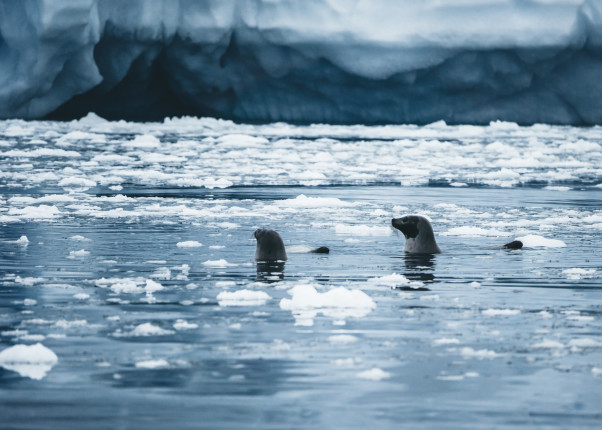
PFAS ‘Forever Chemicals’ Harming Wildlife the World Over: Study
›
This article, by Sharon Guynup, originally appeared on Mongabay.
In Hawaii and elsewhere in the North Pacific, few hatchlings are emerging from the nests of endangered hawksbill and green sea turtles. In Wisconsin, some tree swallows have failed to produce offspring. In California, infectious diseases are now more common in southern sea otters. In Michigan, bluegills are swimming slower. In the Arctic, some hooded seals and their pups have thyroid problems. And in North Carolina’s Cape Fear River, American alligators have been found with lesions and unhealed, infected wounds.
-
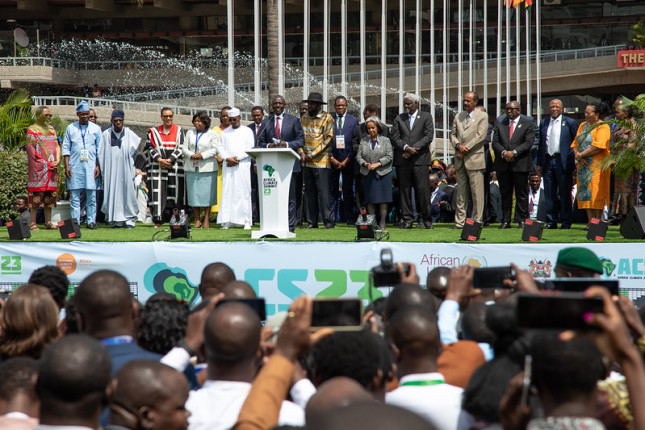
Africa’s First Climate Summit: From Victim to Leader?
›
The UN Environment Programme has described Africa as the most vulnerable region in the world to climate change. Despite only being responsible for 3% of global emissions, the continent has been battered by extreme weather events, including droughts, cyclones, wildfires, and sandstorms. One in three people across Africa faces water scarcity. The continent’s agricultural sector, which represents a significant share of African countries’ GDP and employment, is highly exposed to climate change.
-
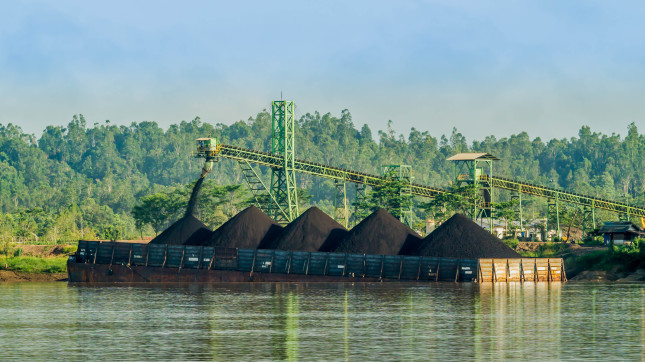
China’s Belt and Road Initiative: Powering a Low or High Carbon Future?
›China Environment Forum // Guest Contributor // Vulnerable Deltas // September 28, 2023 // By Chuyu LiuChina’s Belt and Road Initiative (BRI) can significantly affect the country’s domestic and overseas energy transition and decarbonization agenda. Electricity projects in China’s BRI investments, contrary to popular impressions of being part of a monolithic “project of the century,” have divergent implications for the host country’s shift away from coal-based power plants. -
ECSP Weekly Watch | September 18 – 22
›A window into what we are reading at the Wilson Center’s Environmental Change and Security Program
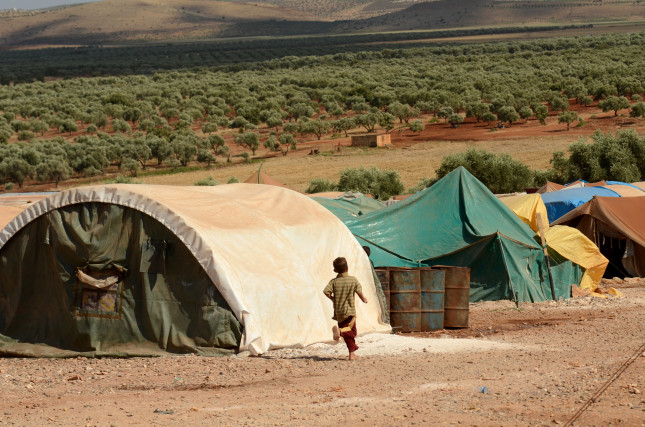
Converging Crises: Pakistan Flood Victims Face Rising Hunger
According to FAO, Pakistan ranks among the top-ten world producers of wheat, cotton, sugarcane, and mango—and it is the 10th largest producer of rice. But Pakistan is also atop another world ranking: vulnerability to the impacts of global warming.
-
ECSP Weekly Watch | September 11 – 15
›A window into what we are reading at the Wilson Center’s Environmental Change and Security Program
Treading Water: Why Were Libya’s Floods So Devastating?
This week’s devastating disasters in Morocco and Libya underscore the cascading effects of environmental shocks (and in the case of Libya, climate-related shocks), as well as the cross-sectoral response needed to comprehensively address the damage.
-
Climate Adaptation at COP28: Eyes on the Middle East
›When COP28 begins in the United Arab Emirates in late November of this year, the multifaceted connections between climate and conflict are expected to receive greater attention from participants than they have at previous conferences.
While there is scant direct causal evidence to suggest that climate change causes conflict, there is a growing body of information that it can influence the risk of conflict by hurting economies, changing broad patterns of human behavior and movement, and straining social cleavages.
-
ECSP Weekly Watch | September 4 – 8
›A window into what we are reading at the Wilson Center’s Environmental Change and Security Program
Peace and Prosperity in the Sahel: Climate Security is Key
Liptako-Gourma is a landlocked region located on the borders of Burkina Faso, Mali, and Niger. It possesses significant mineral, water, and biodiversity resources, and strategically positioned for both economic opportunities and cultural exchange.
-
ECSP Weekly Watch | August 21 – 25
›A window into what we are reading at the Wilson Center’s Environmental Change and Security Program
Deforestation Dynamics in Colombia: The Role of Armed Groups
A 29% drop in deforestation in Colombia in 2022 was labeled as a victory for President Gustavo Petro. Yet there is another reason behind the decrease. Armed groups, such as the Estado Mayor Central (EMC), have imposed logging bans in areas under their control, and levy fines amounting to 251 dollars per hectare.
Showing posts from category international environmental governance.