-
Strengthening Fragile States: Why It Makes Sense to Invest in Global Health
›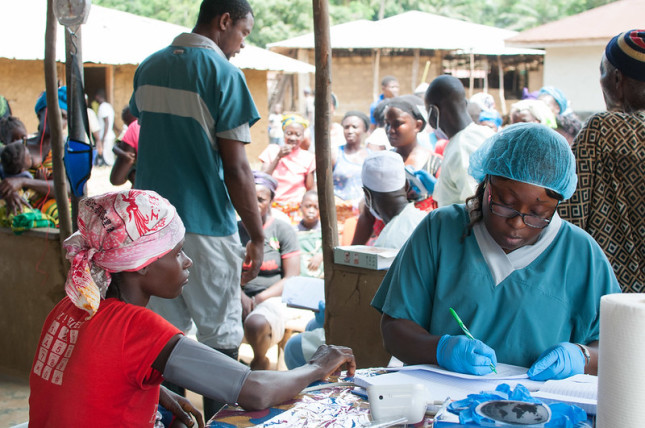
Fragile states, where 1.8 billion people live, continue to be where one is most likely to find extreme poverty, violent extremism, and those most vulnerable to natural disasters and pandemics, said Nancy Lindborg, President and CEO of United States Institute of Peace, at a recent Truman Center event on the ties between national security, global health, and development. Those governments that do not have the capacity to meet the needs of their people, she said, also tend to be the ones that cannot manage external shocks.
-
Refugees and COVID-19: A Closer Look at the Syrian and Rohingya Crises
›
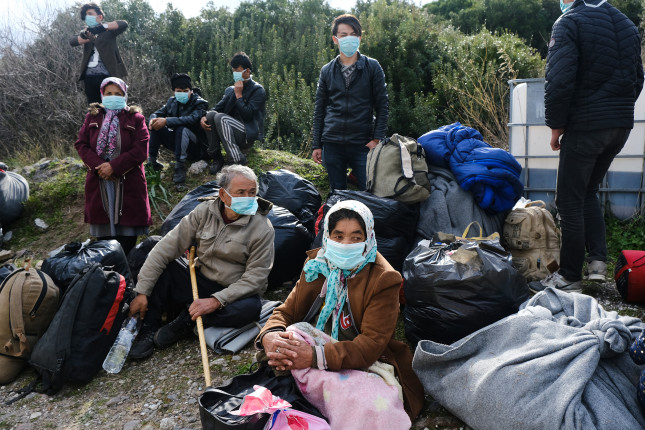
“We all know that while no one is immune from the Covid-19 virus—and people of all types have caught the virus and died from it—it is the world’s most vulnerable communities that have suffered disproportionately from the pandemic,” said Michael Kugelman, Deputy Director and Senior Associate for the Wilson Center’s Asia Program. He spoke at a recent Wilson Center event on the impact of the COVID-19 pandemic on refugee communities. As of 2019, 1 percent of humanity was displaced. That’s more than 79.5 million people. The COVID-19 pandemic has exacerbated the vulnerabilities of these people. “The health pandemic is fostering a new pandemic of poverty,” said Matthew Reynolds, Regional Representative for the U.S. and the Caribbean at the United Nations High Commissioner for Refugees (UNHCR).
-
COVID-19 Reignites Interest in Scenario Planning for Development … But Will It Last?
›Not since COVID-19 burst onto the scene a few months ago have so many individuals and institutions, outside the business, military, and intelligence communities, woken up to the need for a smart way to characterize and communicate uncertainty. The overwhelming choice for many is scenario planning. Today, scenario planning applies to a wide spectrum of issues, not just international development. It has been used to anticipate changes in higher education, rethink workforce composition, and explore options for individual financial planning.
-
Utilities in Developing Countries, in Financial Tailspin, Try to Keep Water Flowing During Pandemic and Beyond
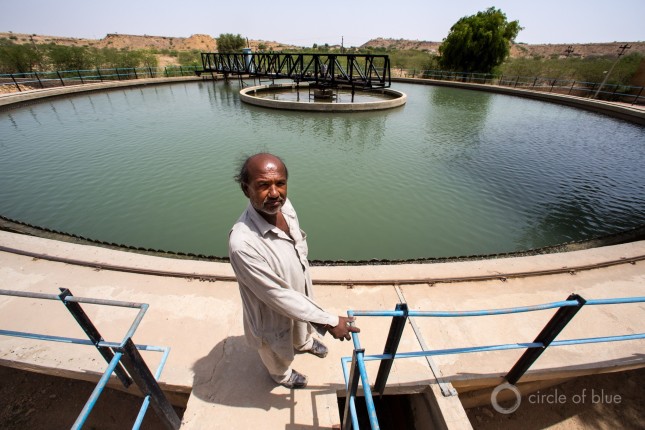
›The global coronavirus pandemic, now in its third month, is precipitating a financial crisis for water utilities in low- and middle-income countries as many of these service providers face drastic cuts in revenue and rising costs to respond to the public health emergency.
-
Water for the Most Vulnerable Could Help Stop Spread of Covid-19
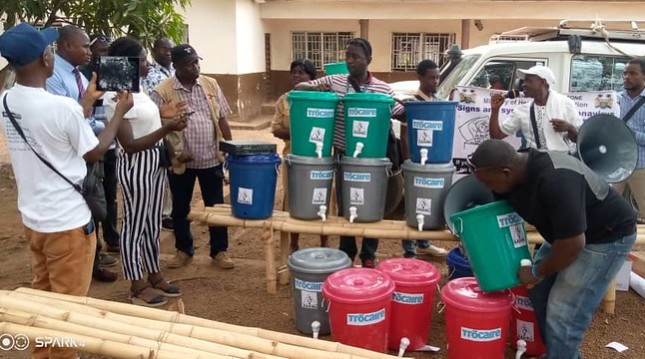
›Development specialists are sounding the alarm. The pandemic will not be stopped unless we provide safe water to the world’s most vulnerable people, according to UN experts. Soap and clean water are part of the arsenal of weapons we can deploy on the frontlines of the battle to halt the virus’ spread. Yet Covid-19 continues to pose an unprecedented threat to more than 2 billion of the world’s poorest people who lack the access to safe water, sanitation, and health services (WASH) needed to protect them during infectious disease outbreaks, according to the World Health Organization.
-
Paying for the Spout: Innovative Financing Could Expand Access to Water
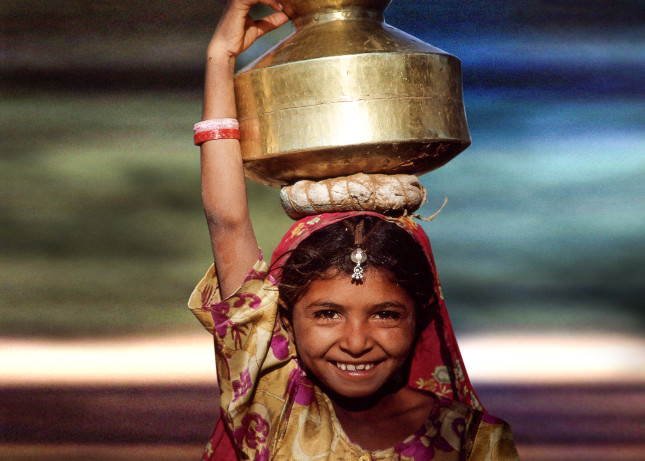
›Water Security for a Resilient World // March 2, 2020 // By Wania Yad, Amanda King, Kelly Bridges & Thomas BoyntonSafe water, sanitation, and hygiene (WASH) are vital for human well-being. However, 1 in 3 people (approximately 2.2 billion) still lack safe drinking water, 4.2 billion do not have access to safely managed sanitation services, and 829,000 people die annually from unsafe water and related sanitation and hygiene around the world.
-
Disasters Have Changed. So Must Our Response.
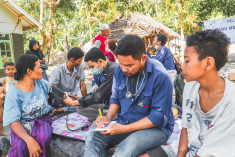
›As disasters have changed over the years, so must the personnel who manage these crises.In 1932, sociologist Lowell Carr first described a predictable pattern of how disasters impact society. Refined over the decades by many researchers, the “disaster cycle” includes four phases: prevention, preparedness, response, recovery and rehabilitation.
This disaster cycle helped define the way societies respond to each disaster. Today, highly trained emergency personnel using many research, management, and epidemiological skills have helped improve survival and health outcomes after disasters. “Disaster medicine” now defines a sub-specialty for highly skilled professional health specialists. However, their many activities and skill sets primarily focus on only the response phase of the initial disaster cycle.
-
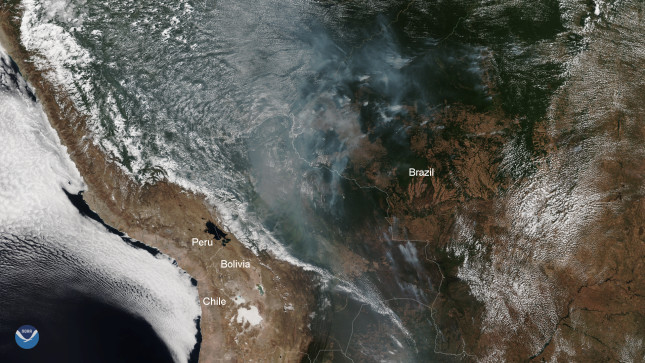
Intense 2019 Amazon Fire Season May Become Dangerous Template for 2020
›The Amazon endured the most intense fire season in almost a decade in August 2019. On August 19, smoke from the faraway fires blackened the skies over Sao Paulo. By the next day, the hashtag “#PrayforAmazonia” was sweeping across Twitter. The social media outcry brought world attention to the already dire scientific warnings, and world leaders offered aid and pressured Brazilian President Jair Bolsonaro to take action.
Showing posts from category Infrastructure.
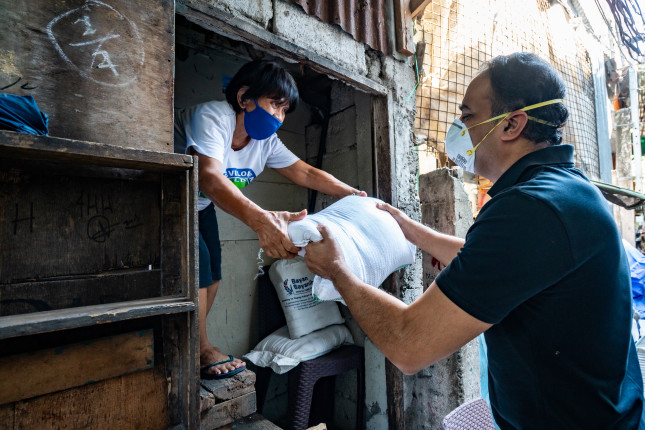
 As disasters have changed over the years, so must the personnel who manage these crises.