-
Cities at COP-23: Q&A With WRI’s Ani Dasgupta
›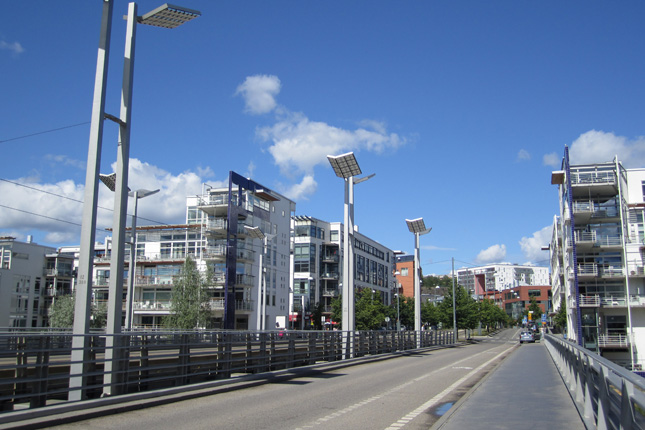
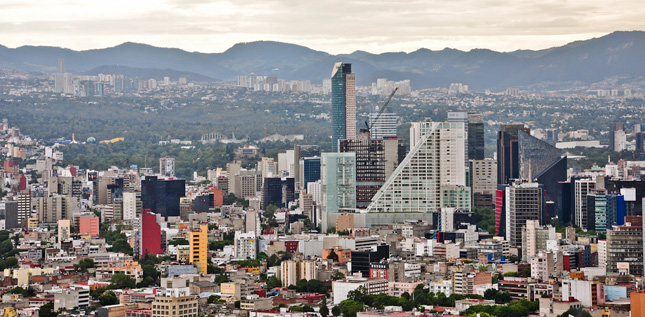
To meet the climate challenge, city leaders are committing to ambitious emissions targets, designing decentralized action plans, and sharing lessons in transnational networks. Since growing cities are a large source of global emissions, their efforts could contribute substantially to global climate objectives. As the world’s climate experts gather next week in Bonn, Germany, for the 23rd Conference of the Parties (COP-23), urban initiatives will be a key focal point of the agenda-setting conversation.
-
The New Middle Eastern Wars: To Protect Civilians, Protect Environmental Infrastructure
›
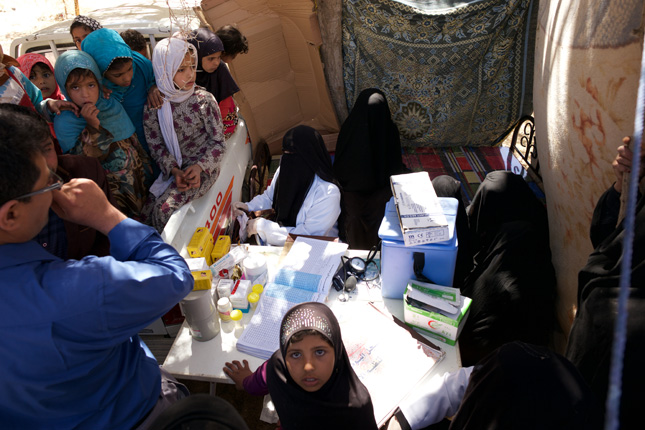
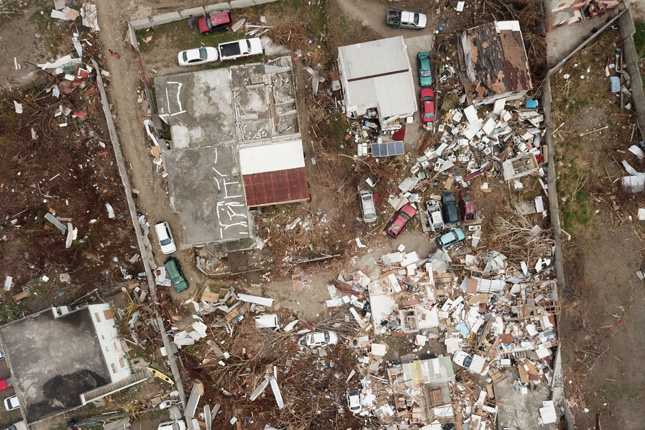
Six years of brutal warfare have destroyed basic infrastructure in Yemen, Libya, and Syria. While U.S. and European governments have been largely preoccupied with providing immediate assistance and dealing with refugees, international humanitarian organizations—such as the International Committee of the Red Cross and Doctors without Borders—are focusing on how to repair, maintain, and safeguard the facilities that provide essential services like clean water, sanitation, and electricity. Yet these efforts are hindered by lack of resources, protracted violence, and—most insidiously—by the warring parties’ intentional targeting of humanitarian actors and environmental infrastructure. Just as the extensive damage from hurricanes in the Caribbean and southeastern United States has underscored the need for more resilient infrastructure, the wars of the Middle East show that protecting infrastructure is key to protecting civilians caught up in conflict.
-
China’s Silver Bullet: Can the Transmission Grid Solve China’s Problems?
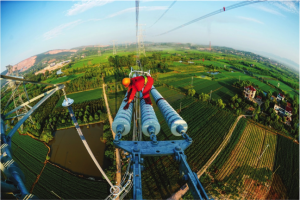
›With air pollution causing more than one million deaths in 2015 and reducing the lifespan of citizens in northern China by three years, clean energy has become a top priority for China’s leaders. China tops the world in wind and solar power installations and the government plans to invest more than $360 billion through 2020 on renewable energy. But the green energy transition needs more than renewable power generation: Long-distance electricity transmission could play a key role in cleaning up China’s brown skies. Our recent study estimated that transmitting a hybrid of renewable and coal power through 12 new high-voltage transmission lines could prevent 16,000 deaths from air pollution exposure, and avoid 340 million tons of CO2 emissions in China.
-
Cities After Paris: The Role of Subnational Actors in Achieving International Goals
›As the climate changes, cities will suffer. “These are important places that have a lot of people, property, and local economies that are going to struggle,” said Jessica Grannis, the adaptation program manager at Georgetown’s Climate Center, at a recent Wilson Center event on the role of subnational decision-makers in achieving international goals. “The good news is that, here in the United States, many cities are recognizing these threats to their people and populations, and they’re beginning to take action,” said Grannis.
-
One Country, Two Water Systems: The Need for Cross-Boundary Water Management in Hong Kong and Guangdong
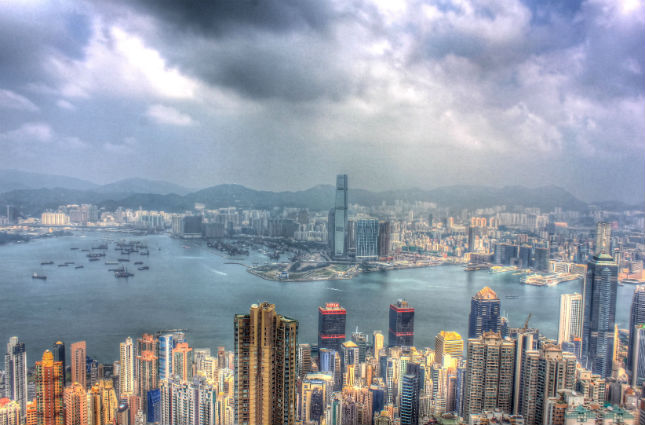
›In 2011, a group of Hong Kong water activists and researchers traveled the length of the Dongjiang (East) River, which stretches from northeast Guangdong Province into Hong Kong’s New Territories, to investigate the challenges facing the watershed. The Dongjiang basin, which provides nearly 80 percent of Hong Kong’s water supply, has suffered water shortages due to the region’s increasing urbanization and industrialization. They found unchecked wastewater discharges—from agriculture, poultry farms, chemical plants, tanneries, and even an open-air quartz quarry—were dangerously degrading water quality.
-
Dealing with Disasters: Invest in Communities to Realize Resilience Dividends
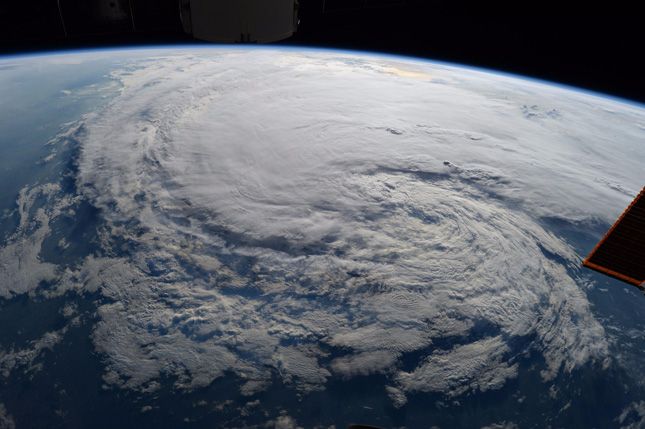
›September 27, 2017 // By Roger-Mark De SouzaThe 1-2-3 punch of hurricanes Irma, Harvey, and Maria has made it devastatingly clear that extreme weather events can and will destroy families, interrupt livelihoods, and tear apart communities, particularly in coastal and low-lying areas of vulnerable regions like the Caribbean and the United States.
-
What Is Loss and Damage from Climate Change? First Academic Study Reveals Different Perspectives, Challenging Questions
›Following a series of recent devastating extreme weather events – mudslides in Sierra Leone, flooding in south Asia, and severe storms hitting the Philippines and the Gulf of Mexico, many have called attention to the role of climate change in these disasters. The string of Atlantic hurricanes that has devastated the Caribbean has prompted fresh calls to make nations and communities more resilient to the effects of climate change, and especially to address “loss and damage” in island nations.
-
“We Must Pay Attention”: Hurricanes Harvey and Irma Devastate the Caribbean, Threaten U.S. National Security, Reveal Infrastructure Weakness, Say Wilson Center Experts
›“This is not an island issue, this is not a Caribbean issue, this is an issue that is [also] critical for us,” says Roger-Mark De Souza, the Wilson Center’s director of population, environmental security, and resilience in a recent video interview. “For us in the United States we have to continue to recognize that we ourselves are also vulnerable.” De Souza remains hopeful about the possibility of rebuilding and rebounding in the face of devastation, but also presses the importance of generating response mechanisms which address environmental hazards before they manifest into disasters. “That means planning, it means investing in community mobilization mechanisms, it means thinking about ways we provide humanitarian assistance.”
Showing posts from category Infrastructure.