-
Not Too Big—Not Too Small—Just Right: Sand Bioreactor Wastewater Treatment in Chinese Villages
›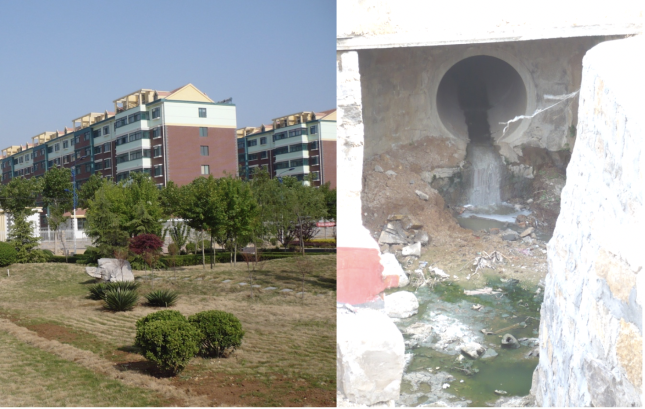
One year after the Sichuan earthquake, while visiting villages near Wenchuan, I asked local officials planning reconstruction about their plans for wastewater treatment. As an agricultural engineering professor, I was not surprised to learn that they had no plans. It was not that a wastewater treatment system was too expensive, they worried that it would be too big.
-
Better Water Security Translates into Better Food Security
›
“Food production is the largest consumer of water and also represents the largest unknown factor of future water use as the world’s population continues to balloon, and we face increasing weather-related shocks and stresses,” said Laura Schulz, Acting Deputy Assistant Administrator in USAID’s Bureau for Economic Growth, Education and Environment. She spoke at “Feeding a Thirsty World: Harnessing the Connections Between Food and Water Security,” an event sponsored by the Wilson Center, Winrock International, the Sustainable Water Partnership, and USAID. Currently about 70 percent of global water goes to agriculture, a number that is projected to rise “as high as 92 percent,” said Rodney Ferguson, the President and CEO of Winrock International.
-
Ambassador Marcia Bernicat on the U.S. Global Water Strategy
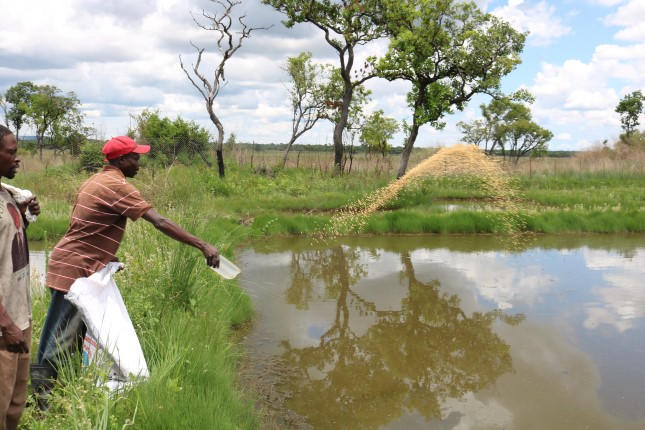
›The overarching goal of the U.S. Global Water Strategy is to create a more water secure world, said Ambassador Marcia Bernicat, Principal Deputy Assistant Secretary for the Bureau of Oceans, and International Environmental and Scientific Affairs at the U.S. Department of State at a recent Wilson Center event. “Simply put,” she said, “a world where people have the water they need, where they need it, when they need it, without living in fear of floods or droughts.” -
China’s Hollow Villages Undergo a Transformation
›As an agricultural engineering professor, I was excited to visit and tour the farm village Houbali, in southwestern Shandong Province. I found myself standing among newly constructed high-rise buildings, a vastly different community than I had expected to encounter. A bicycle repair shop was setting up alongside other bustling businesses in the first-floor storefronts. Farm families occupied apartments in the upper floors and a beautifully landscaped park and playground were a short walk away. This neighborhood looked like a transplant from Beijing, but these modern buildings were a newly developed farm village surrounded by agricultural fields. The new buildings brought together the residents of four old, nearly empty or “hollow” villages.
-
A Look Downstream: Thoughtful Water Infrastructure Planning May Yield Economies of Flexibility
›Three big trends are coming, said Ken Conca, Professor at American University’s School for International Service at a recent Wilson Center event that explored the future of water. “We’ll be storing a lot more water,” he said. “We’ll be recycling a lot more water. And we’ll be thinking much more systematically and foundationally about flood risk.” -
Tapping the Power in China’s Municipal Sludge
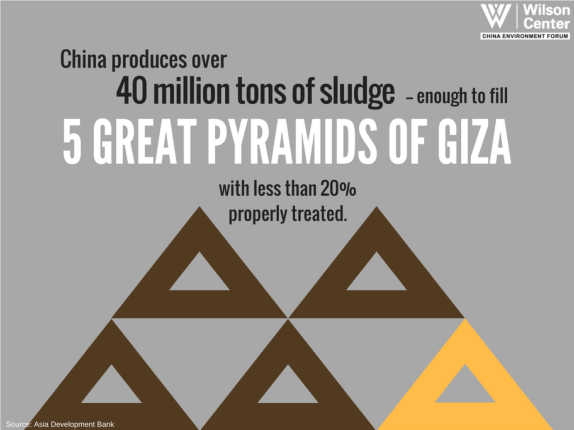
›In September 2018, the Jinghu District People’s Court in Wuhu, Anhui Province sentenced 12 people from the Pol Shin Fastener Company between four months and six years in prison for committing serious interprovincial environmental crimes in Jiangsu and Anhui in 2016 and 2017. The court also fined the automobile hardware manufacturer 10 million yuan ($1.48 million). The crime? Dispatching ships and trucks to illegally dump 2500+ metric tons of highly acidic pickling sludge from steel production. Sludge—semi-solid waste emissions from industries and municipal water treatment plants—is yet another tough water and solid waste pollution challenge China faces.
-
How Building Political Will in Asia Could Improve Environmental Governance
›A high degree of political will is one of several pre-conditions needed for good environmental management, said Kim DeRidder, Regional Director for Environmental Programs at the Asia Foundation. He spoke at a round-table on Advancing Environmental Governance Across Asia hosted by the Asia Foundation. While he emphasized the need to promote political will within Asia, he questioned whether the bold pledges that some Asian countries made in the Paris Agreement, such as the Philippines’ pledge to reduce emissions by 70 percent by 2030 and Indonesia by 26 percent, were realistic given the significant disconnect between what a country claims it is going to do and what it can actually do.
-
Targeting Infrastructure Undermines Livelihoods in the West Bank
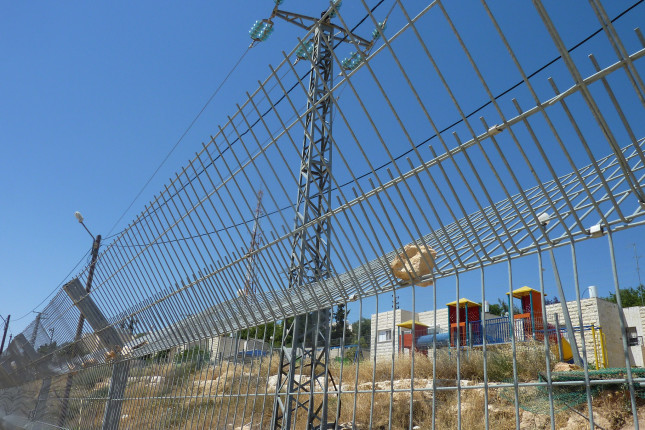
›In many Middle Eastern wars, targeting civilian infrastructure has become all too common. As we documented in a previous article, both state and non-state actors in wars since 2011 in Libya, Syria, and Yemen have targeted water, sanitation, and energy facilities to displace urban populations, punish civilians, and render local attempts to provide public services untenable. Destroying environmental and civilian infrastructure directly undermines livelihoods and human security.
Showing posts from category Infrastructure.
 The overarching goal of the U.S. Global Water Strategy is to create a more water secure world, said Ambassador Marcia Bernicat, Principal Deputy Assistant Secretary for the Bureau of Oceans, and International Environmental and Scientific Affairs at the U.S. Department of State at a recent Wilson Center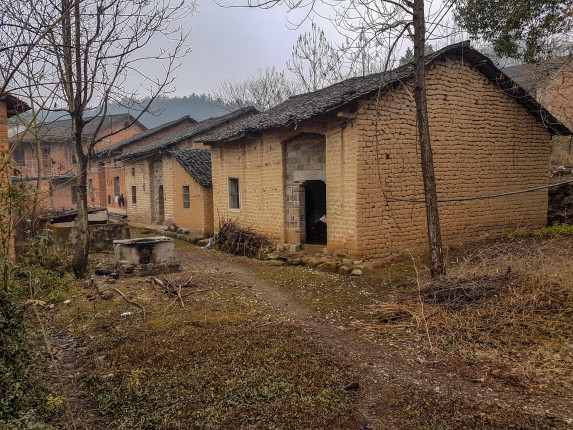
 Three big trends are coming, said Ken Conca, Professor at American University’s School for International Service at a recent Wilson Center