-
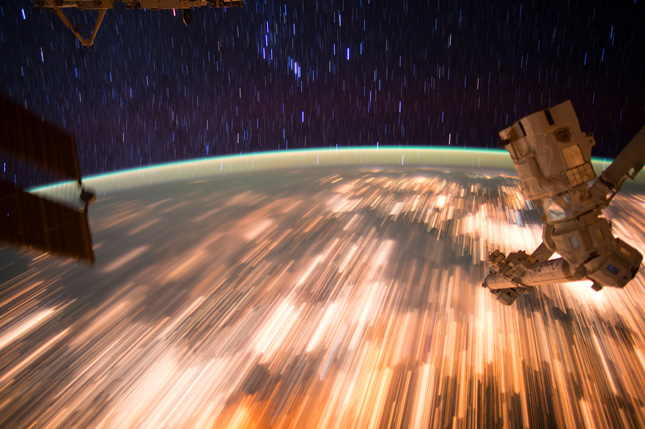
Backdraft Episode #2: Stacy VanDeveer on the New Energy Economy and the Fate of Petro States
› A “green economy,” an energy sector composed entirely of renewables, is the goal of many. But we haven’t thought out the full implications of that change, says Stacy VanDeveer, professor at the University of Massachusetts Boston, in this week’s “Backdraft” podcast.
 -
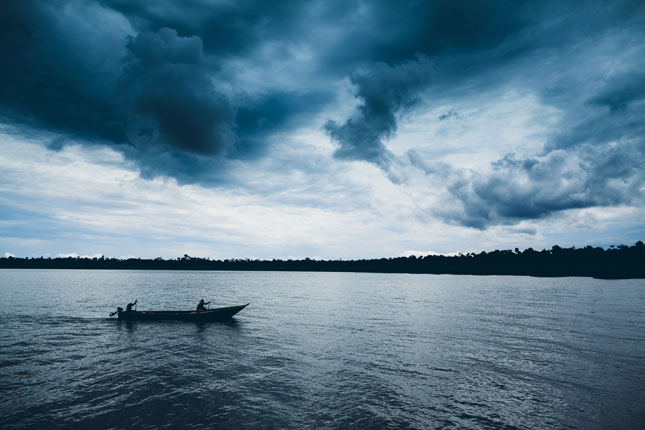
Global Water and National Security: Why the Time Is Now
›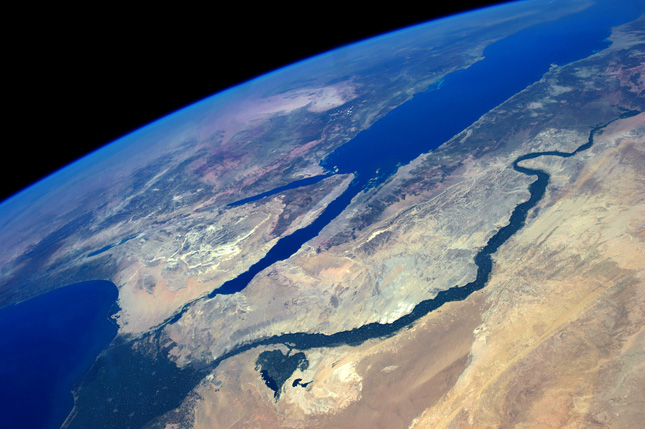
During the 2016 campaign President Trump stated that clean water would be a top priority of his administration, telling ScienceDebate.org “it may be the most important issue we face as a nation for the next generation.” Now is the time to make good on that commitment.
-
Paradox of Progress: National Intelligence Council Releases Global Trends Report
›January 11, 2017 // By Schuyler NullDo you experience information overload? Feel like there’s always another crisis to worry about? Sense a kind of chaos? Well, you may be a citizen of the early 21st century.
-
The Rising Tide of Water Insecurity: Moving from Risks to Responses
›“Water is the frontline of climate change. It’s what every report that you see identifies as the sort of first and foremost effect we see from a climate changing world,” said Sherri Goodman, a public policy fellow at the Wilson Center and formerly of CNA and the U.S. Department of Defense, on October 19.
-
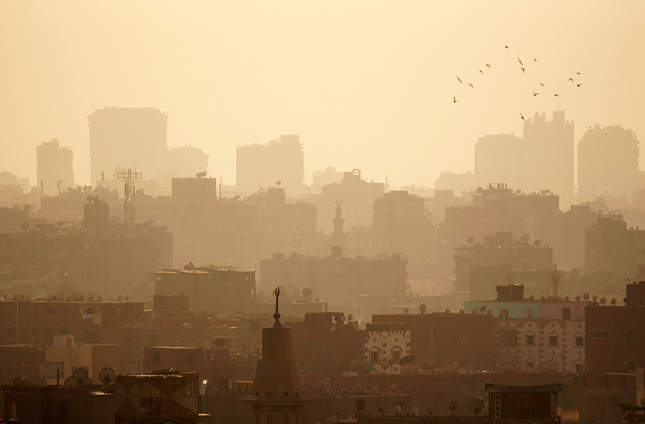
“You Are Asking About Pollution?”: One Journalist’s Perspective on the Mid East’s Environmental Crisis
›It was some point in May last year, shortly after ISIS surged into the city of Ramadi, and I was working on a story about Iraq’s fast-disappearing Mesopotamian Marshes. Keen to fact-check a few statistics with the Ministry of Water Resources and to hear the government line on the wetlands’ struggles, I dialed its Baghdad offices. After being passed from official to official like a hot potato, a young employee, Hussein, finally gave it to me straight. “No, no, we don’t have this sort of information,” he said, clearly impatient to get off the phone. “There are much more important things in Iraq right now.”
-
Michael Kugelman Explains the Flare Up in India-Pakistan Water Tensions
›October 21, 2016 // By Schuyler NullLast month, India subtly warned that it could withdraw from the Indus Waters Treaty with Pakistan, one of the oldest and most significant water treaties in the world, because of a lack of “mutual trust and cooperation.” A week later, the Indian military launched a “surgical strike” across the Pakistani line of control in Kashmir against alleged terrorist camps.
-
Michael Kugelman, Foreign Policy
Why the India-Pakistan War Over Water Is So Dangerous
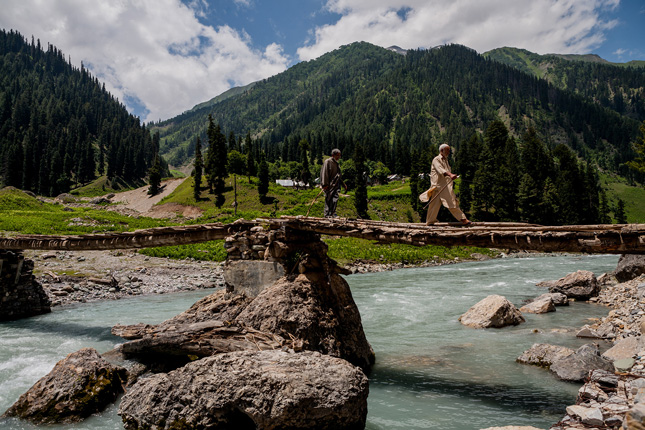
›October 6, 2016 // By Wilson Center StaffEarly on the morning of Sept. 29, according to India’s Defense Ministry and military, Indian forces staged a “surgical strike” in Pakistan-administered Kashmir that targeted seven terrorist camps and killed multiple militants. Pakistan angrily denied that the daring raid took place, though it did state that two of its soldiers were killed in clashes with Indian troops along their disputed border. New Delhi’s announcement of its strike plunged already tense India-Pakistan relations into deep crisis. It came 11 days after militants identified by India as members of the Pakistani terrorist group Jaish-e-Mohammed killed 18 soldiers on a military base in the town of Uri, in India-administered Kashmir.
-
Report: Deadly Miscues on the Brahmaputra an Argument for More Transboundary Cooperation
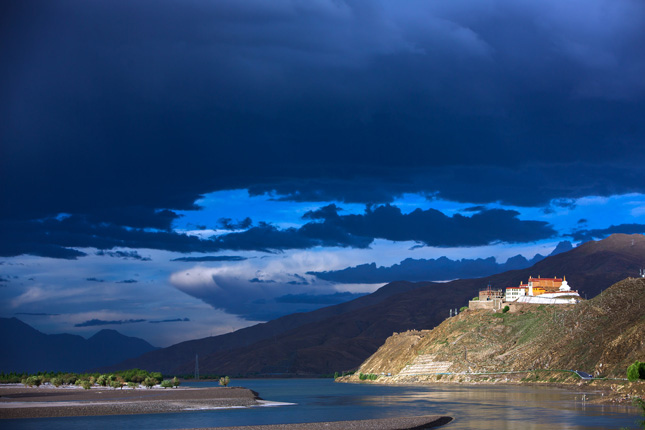
›Over the course of 1,800 miles, 5,300 vertical feet, and at least five name changes, the Brahmaputra River, in sometimes turbulent outbursts, flows from the Tibetan plateau to the Bay of Bengal. Along the way, it crosses three countries, including major geopolitical rivals China and India, and supplies 90 percent of downstream Bangladesh’s freshwater during the dry season.
Showing posts from category hydropower.
 A “green economy,” an energy sector composed entirely of renewables, is the goal of many. But we haven’t thought out the full implications of that change, says Stacy VanDeveer, professor at the University of Massachusetts Boston, in this week’s “Backdraft” podcast.