-
China Is Winning the Race for Water Security in Asia
›
Great power competition in Asia is not only about control of critical waterways in the South China Sea, but also about who controls Asia’s fresh water. The future of Asia’s water—upon which about four billion people depend—lies in China’s hands. Through its presence in Tibet, China controls the headwaters of ten of the eleven major rivers of Asia. So far, China has taken a relatively cooperative approach to sharing water with its neighbors as part of the systematic consolidation of its “soft power” over downstream countries. But climate change and rapid growth are threatening to upset this delicate diplomatic balance. What happens when China’s own thirst outpaces its resources? And how will China’s choices affect U.S. interests in the strategic Asia-Pacific region?
-
As Andean Glaciers Retreat, So Does Regional Security
›
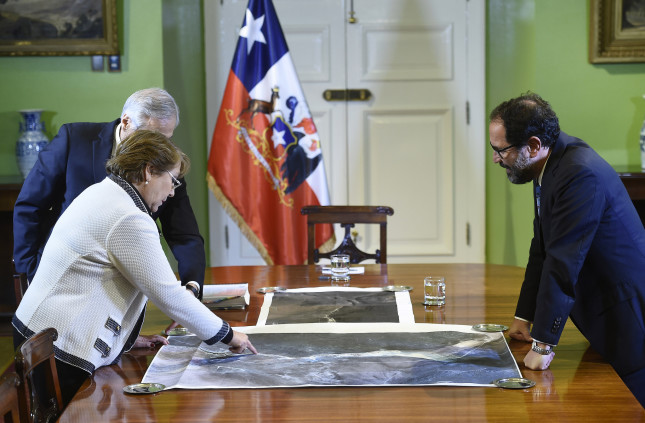
Last month, Bolivia filed a counterclaim against Chile in the International Court of Justice—the latest salvo in their battle over rights to the waters of the Silala River. The court will decide whether Silala is “an international watercourse”—thus granting water rights to Chilean mining operations—or simply an artificial diversion of Bolivian spring water by Chile. This legal case marks the latest chapter in Bolivia and Chile’s historically delicate relationship, which dates back to the War of the Pacific in the late 19th century.
-
Lessons From International Water Sharing Agreements for Dealing With Climate Change
›Scientists agree that many countries in tropical, subtropical, and arid regions should expect changes to water availability and supply from climate change. The U.S. intelligence community has likewise warned of water-driven challenges not only for countries directly affected by water changes, but indirectly to various U.S. national security interests. Perhaps not surprisingly then, the popular literature has been quite clear about prophesizing wars over water.
-
Historic Drought Prompts Water Innovation in California – Can It Be a Model?
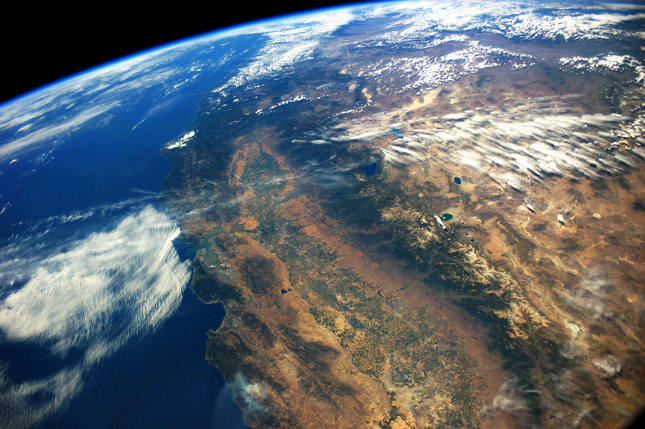
›Pray for rain. Mega-drought. Winter salmon run nearly extinguished. Sierra snowpack dismal. These were just some of the headlines in California newspapers over the last five years during a historic drought that elevated water security to the top of everyone’s minds.
-
Tamil Nadu Leads India’s Historic Turn to the Sun and Wind
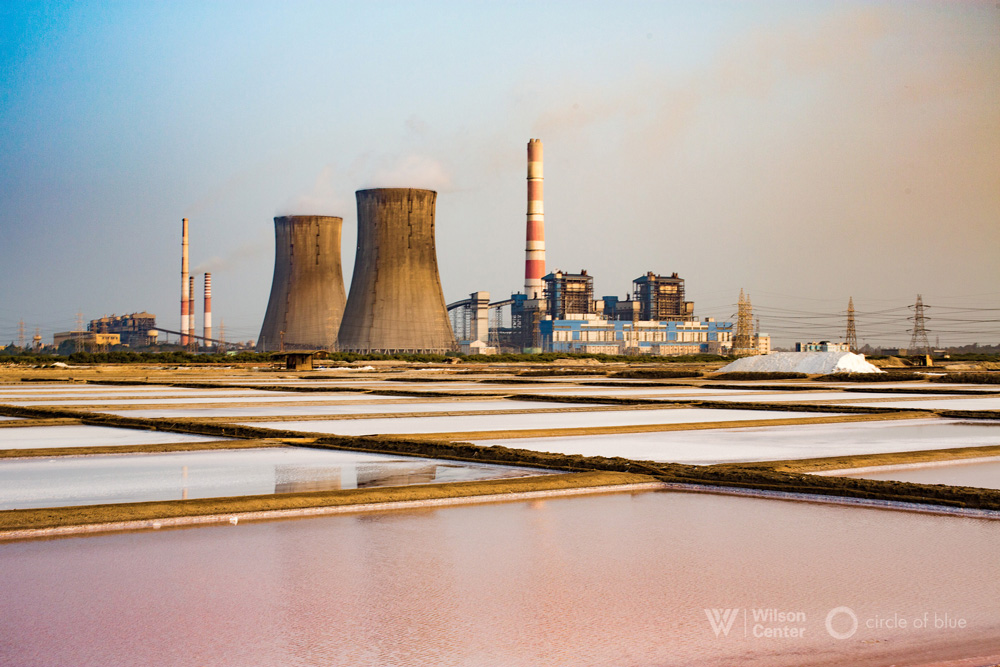
›MADURAI, India – Before he agreed to serve as minister of state and take command of his country’s mammoth energy production and distribution sector, Piyush Goyal developed one of India’s most spirited political careers. “A man of ideas and competence,” according to First Post, a prominent news organization, Goyal is an accountant and lawyer who rose to the peak of Indian economic and political culture as an investment banker, member of parliament, and treasurer of the ruling Bharatiya Janata Party.
-
Michael Kugelman on Pakistan’s “Nightmare” Water Scenario
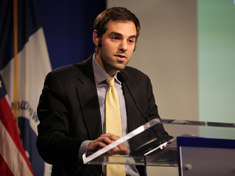
›“Water scarcity is a nightmare scenario that is all too real and all but inevitable in Pakistan,” says Michael Kugelman, deputy director of the Wilson Center’s Asia Program, in this week’s podcast. -
Afghanistan’s Water Plans Complicated by Worried Neighbors
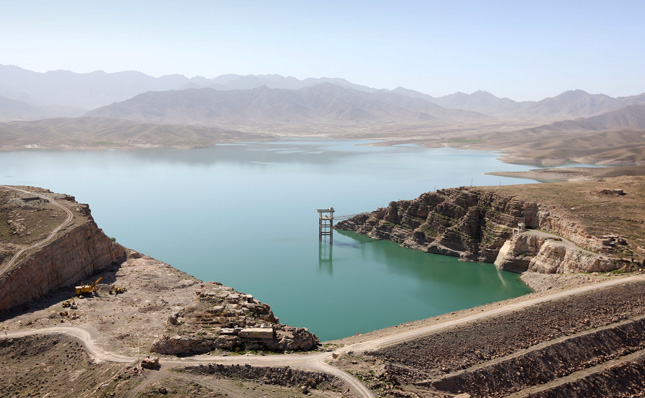
›More than 40 years ago, the Soviet Union attempted to harness hydropower to modernize Afghanistan. Between 1960 and 1968, they poured money and technical knowledge into the 100-meter Naghlu gravity dam outside Kabul and a village for its workers called Sharnak. Although the town has been damaged and the boons of modernity remain elusive for many Afghans, the dam remains a crucial source of power for the capital and is the largest power plant in the country with an installed capacity of 100 megawatts.
-
Pakistan’s Unheralded Fight Against Climate Change
›In recent months, the Indus Waters Treaty (IWT) has been in the headlines – and for all the wrong reasons.
Showing posts from category hydropower.
 “Water scarcity is a nightmare scenario that is all too real and all but inevitable in Pakistan,” says Michael Kugelman, deputy director of the Wilson Center’s Asia Program, in this week’s podcast.