-
ECSP Weekly Watch | August 12 – 16
›
A window into what we are reading at the Wilson Center’s Environmental Change and Security Program
Mpox Outbreak a Global Health Emergency, Again (The Washington Post)
Various rapidly spreading mpox strains in Central and East African countries have led the World Health Organization (WHO) to declare the viral infection as a global health emergency. More than 15,000 people have been infected this year alone, with over 500 deaths reported. Mpox is transmitted largely through exposure to infected animals, as well as via skin-to-skin or sexual contact, and it disproportionately affects heterosexuals and sex workers.
-
Earlier Assessments of Conflict Damage Can Spur Timely Relief
›
The widespread destruction of infrastructure has been a calamitous and common feature across many of the recent wars in the Middle East and North Africa and Ukraine—and urban landscapes such as Aleppo, Raqqa, Kharkiv, Mariupol, and Gaza City have borne the brunt of attacks. Without clean drinking water, electricity, treated sewage, food supplies, and medical services, cities become uninhabitable, disrupting the infrastructure upon which populations depend for basic services, and often leading to their forcible displacement. Civilians are also at risk of malnutrition, starvation, and preventable diseases that spread from dirty water and raw sewage in urban centers.
-
ECSP Weekly Watch | July 22 – 26
›A window into what we are reading at the Wilson Center’s Environmental Change and Security Program
Worsening Health Conditions in War-Torn Gaza (BBC)
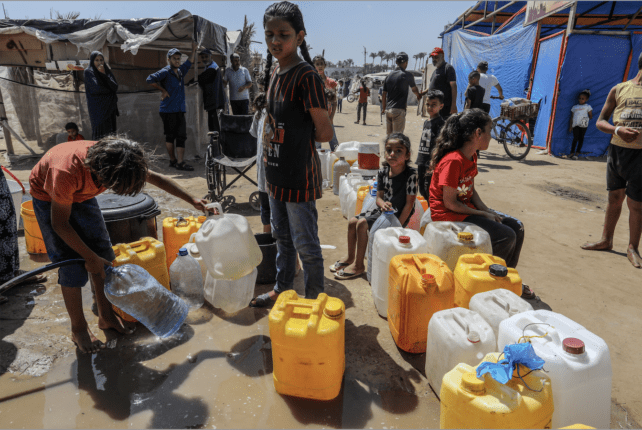
Water infrastructure in Gaza was already weak before the beginning of the war in 2023, but intensified conflict and siege of critical infrastructure the damage wreaked by Israel’s military forces on critical infrastructure (including water, energy, and food), has left 70% of the people in Gaza exposed to salinated and contaminated water. Traces of polio have been found in wastewater flowing both between displacement camp tents and in inhabited areas, and experts suggest that this water might be circulating.
-
“A Devastating Toll”: Sudan’s Maternal Health Nightmare
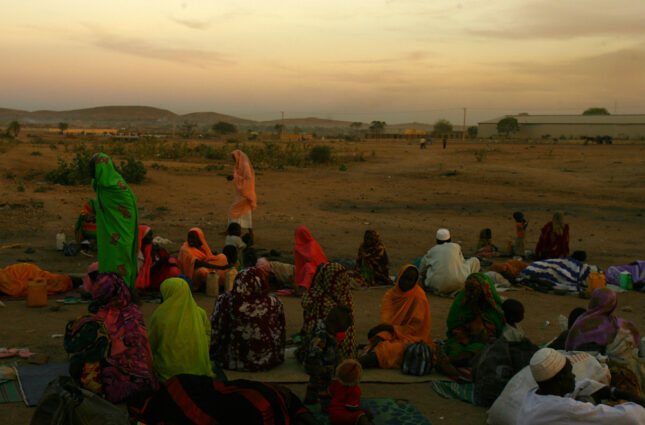
›Ongoing fighting in Sudan has led to a devastating humanitarian crisis that United Nations Humanitarian and Emergency Relief Chief Martin Griffiths calls “one of the worst humanitarian nightmares in recent history.”
Among the millions of people harmed by the fighting are countless pregnant people and new mothers, who face direct and indirect threats to their health and lives in the country’s renewed conflict. Sudan was already suffering from a maternal mortality crisis prior to the onset of its latest civil war. Before the most recent round of bloodshed, Sudan’s maternal mortality rate stood at 270 deaths per 100,000 live births in 2020 – higher than the global average of 223 deaths. And as this crisis worsens, it is imperative to call attention to what is occurring there.
-
Reinvigorating US Development Assistance
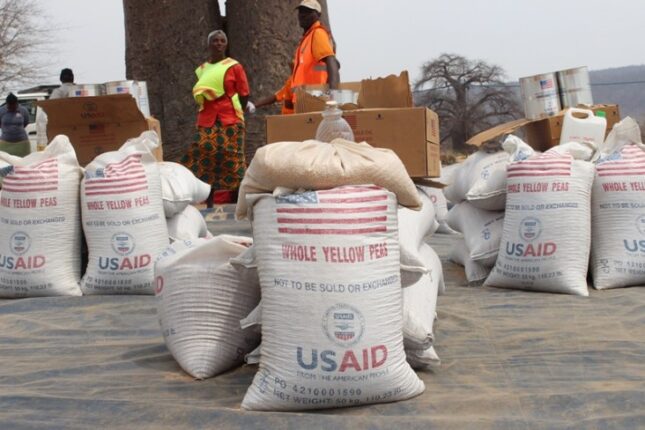
›Americans often hear arguments demagoguing exorbitant and wasteful development assistance spending. In an election year, these voices multiply. And they have influence. Past polls have shown that Americans believe that their government spends roughly 25 percent of the federal budget on foreign aid. The real total actually hovers around less than 1 percent.
-
Environmental Cooperation in the Middle East: A Conversation with Dr. Tareq Abu Hamed
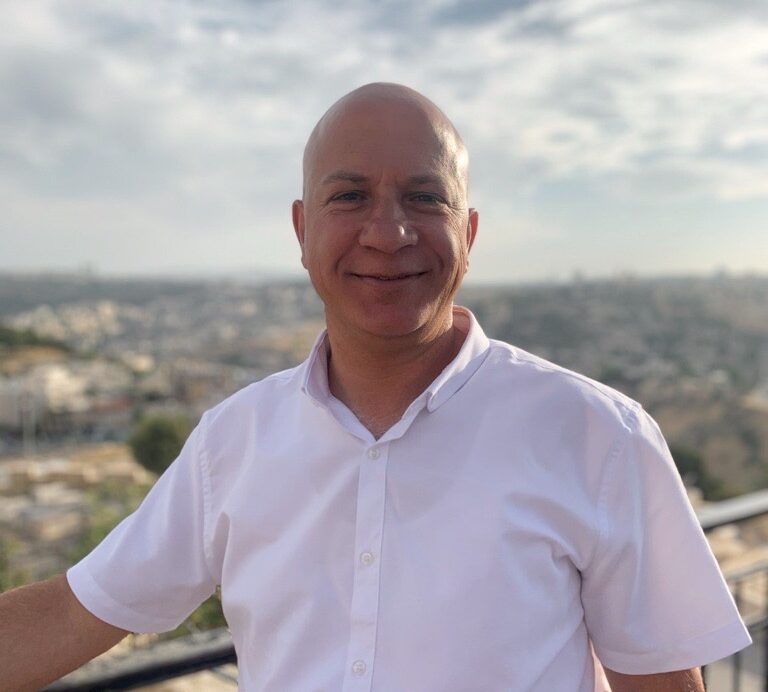
›In today’s episode of New Security Broadcast, Wilson Center Global Fellow and environmental journalist Anneliese Palmer speaks with longtime leader in regional environmental diplomacy and Executive Director of the Arava Institute for Environmental Studies, Dr. Tareq Abu Hamed. In their conversation, Dr. Hamed unpacks the opportunities and challenges of climate and environmental diplomacy, environmental peacebuilding efforts in Gaza and the Middle East, as well as his role in Jumpstarting Hope, a project that works to provide essential services such as safe drinking water and sustainable electricity to communities in Gaza. -
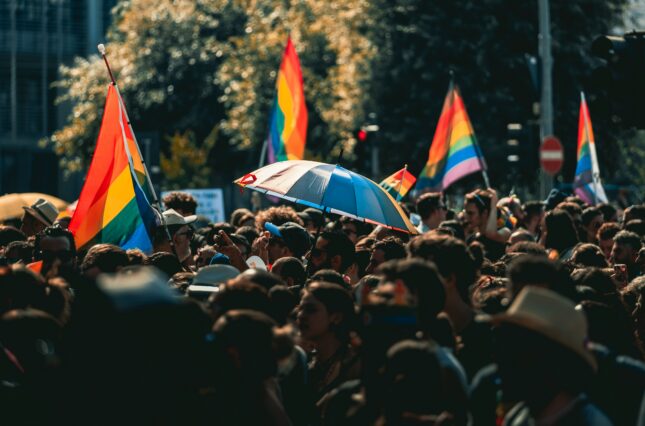
Queering Climate Action: A Transformative Task
›LGBTIQ+ organizations and activists increasingly speak of “queering” systems such as global climate action, global refugee systems, or humanitarian response. Sometimes, this is a rhetorical reboot of existing strategies for increasing inclusion, with ‘queer’ used as a reclaimed shorthand for LGBTIQ+ people. The process of tweaking existing social and economic systems to address climate change and security threats should also certainly ensure the inclusion of LGBTQI+ people.
-
ECSP Weekly Watch | June 24 – 28
›A window into what we are reading at the Wilson Center’s Environmental Change and Security Program
Renewable Energy Needs a Social Vision (Mongabay)
The Zapotec of the Isthmus of Tehuantepec have accused energy giant EDF (Électricité de France) of causing human rights abuses while building wind farms in Oaxaca state. They also claim the company intimidated and harassed social movements who opposed this construction on their ancestral lands. The Zapotec are indigenous peoples of Mexico who call themselves Bën Za or “The People”—and after three years of struggle and stalling tactics by EDF’s legal representatives, French courts have authorized their civil case filing at last.
Showing posts from category humanitarian.
 In today’s episode of New Security Broadcast, Wilson Center Global Fellow and environmental journalist Anneliese Palmer speaks with