-
What’s Next for the Environment at the UN? Bringing Rights to the Fore, Says Ken Conca
›October 13, 2016 // By Schuyler Null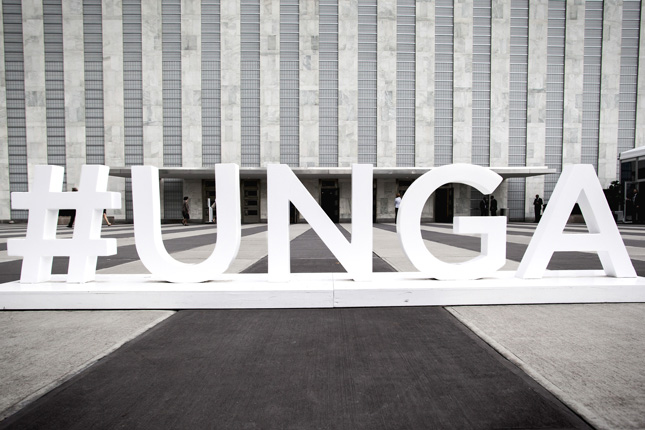
The United Nations has made significant progress since the Stockholm Conference of 1972 in putting the environment on the global agenda. Indeed, the environment plays a major role in two of the largest UN initiatives today: the Paris climate accord and the Sustainable Development Goals. But in a new brief for the Friedrich Ebert Stiftung Foundation, Wilson Center Fellow Ken Conca writes that the traditional approach to environmental issues is running up against its limits.
-
New UN Secretary-General Brings Humanitarian Experience, But Will It Matter? 5 Things to Watch
›
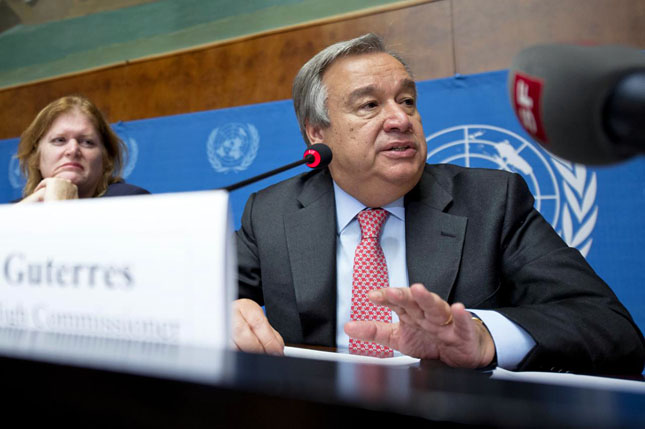
Over the next few days, many smart people will opine on the prospects for success of António Guterres, the man (yes, surprise, another man) nominated by the United Nations Security Council to be the next UN secretary-general.
-
Why Women’s Empowerment Must Start With Land Rights
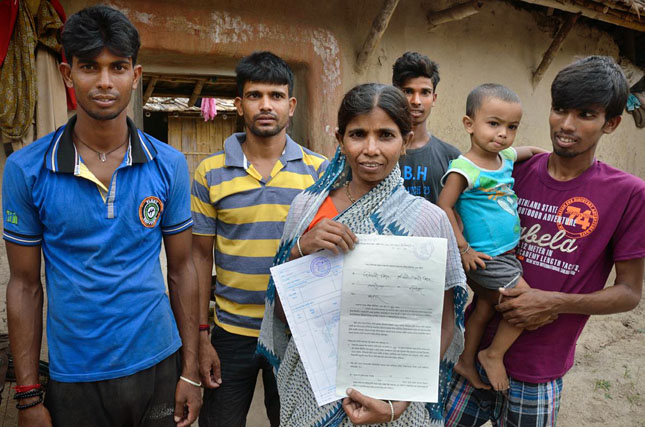
›Property and citizenship are in many ways what define us, and they interact in fascinating ways.
-
Major Water Disputes Are Often Beyond War and Peace
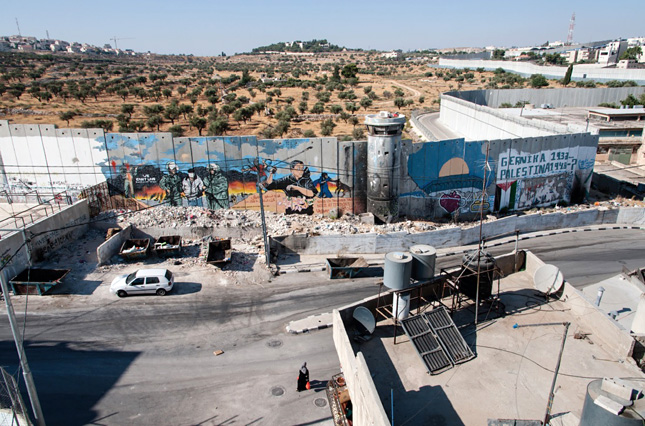
›Early this June, the Israeli government cut off drinking water to people living in the Salfit region of the West Bank and three villages east of Nablus. The consequences have been dire. Thousands of Palestinians have been left with no running water in their homes, and factories have been forced to shutter. The power imbalance that leaves Palestinians so vulnerable to Israeli turns of the valve plays out every year, made possible by Israel’s occupation of the water-rich Golan Heights in 1967. What is perhaps most surprising is that the situation persists.
-
UN, U.S. Summits Offer Modest Immediate Relief to Refugees, But Systemic Reforms Needed
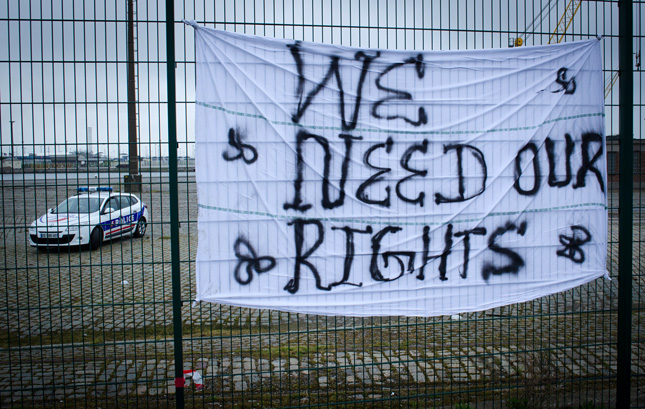
›Heads of state gathered in New York for the September 19 United Nations Summit on Refugees and Migrants will reaffirm principles of international law, pledge to treat asylum seekers more humanely, and promise to improve coordination between humanitarian and development organizations.
-
The Women of Sarawak and Mindoro on the “Invisible Battles” of Climate Change
›Although separated by a thousand miles, the women of the Malaysian state of Sarawak and the Filipino island of Mindoro are united by a major struggle: climate change. As rainfall patterns grow increasingly unpredictable, natural disasters become more frequent, and drought ravages once-arable land, women are on the frontlines in both communities.
-
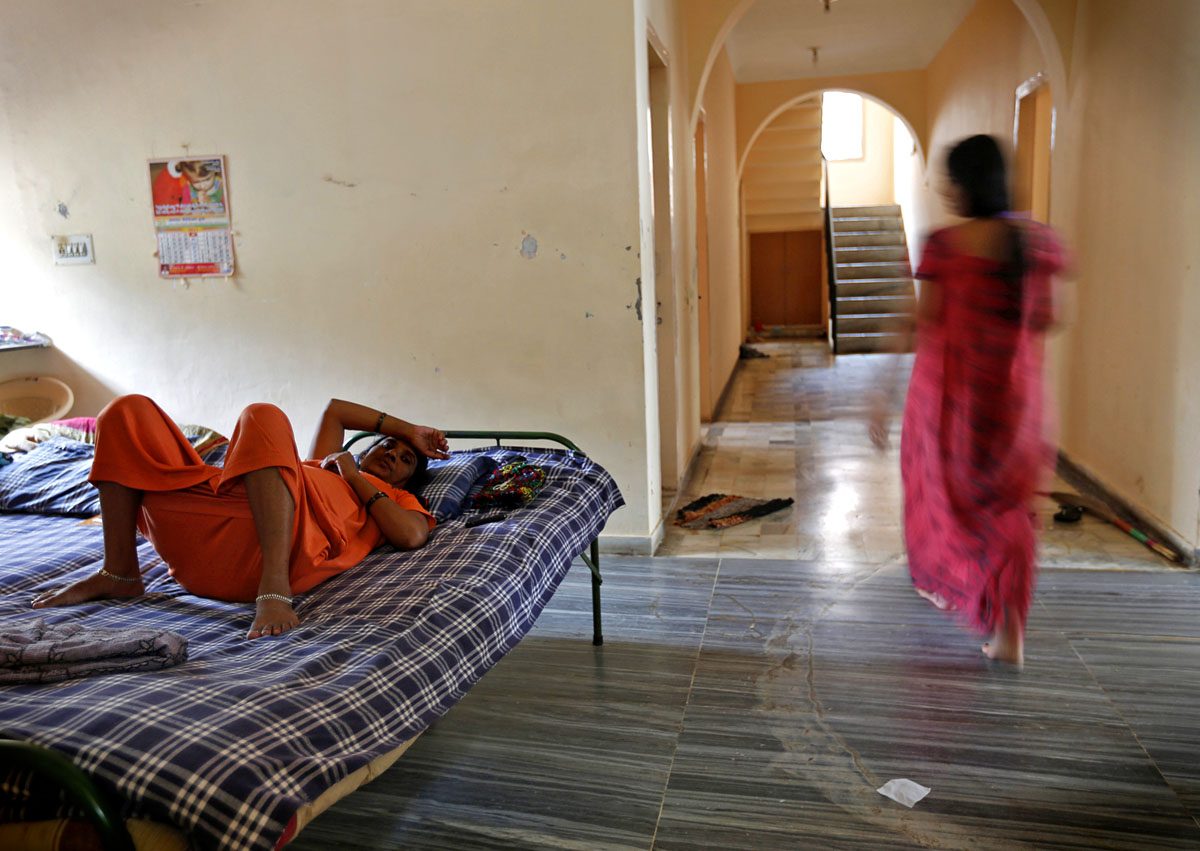
Putting a Price on Reproduction: The Global Surrogacy Market
›The first baby conceived through in vitro fertilization (IVF) was born in 1978 and revolutionized alternative family building strategies. As IVF has become more widely available in the years since, the focus of many families who cannot conceive or carry a baby to term – the Centers for Disease Control and Prevention estimates there are 6.7 million such women in the United States alone – has shifted from adoption to surrogacy. However, this endeavor remains very expensive; prohibitively so for many. Commercial surrogacy can cost up to $70,000 in the United States, except in the seven states where it is illegal. Yet if couples are willing to outsource to another country, surrogacy can cost much less.
-
Left Out and Behind: Fully Incorporating Gender Into the Climate Discourse
›August 22, 2016 // By Cara ThuringerMore often than not in the discourse around gender and climate change, the word “gender” is used primarily to refer to women. There is no disputing that women are acutely vulnerable to the effects of climate change in ways that are different than men and sometimes hidden. However, this interchangeable use of words neglects other dimensions of gender, sexual orientation, and sexual identity. As a result, we are missing important ways gender impacts people’s experiences with climate change.
Showing posts from category human rights.