-
Joyce Banda on Reaching Girls Before Age 10, Balancing Tradition With Change, and More
›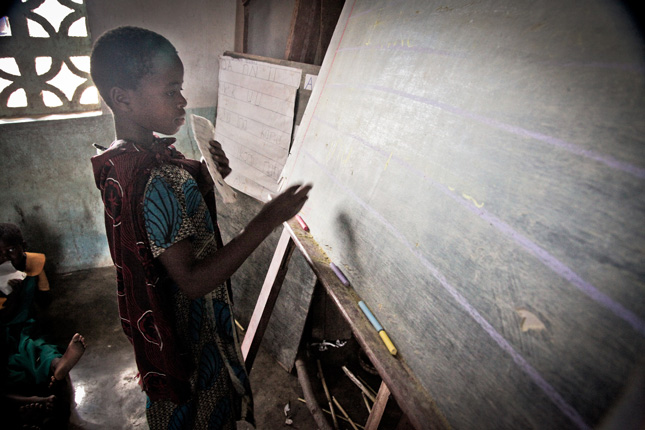
If you really want to fight the patriarchy, if you want to make a difference in girls’ lives, you have to reach them when they are young, says Joyce Banda.
-
Reproductive Health Care in Crises Has Come a Long Way, Says Sandra Krause, But There’s More to Be Done
› There may be more women and girls at risk of maternal health complications in fragile and conflict-affected settings today, but attention to the issue is not new and the international community has made important strides over the last 20 years, says Sandra Krause, program director for reproductive health at Women’s Refugee Commission, in this week’s podcast.
 -
Environmental Defenders Are Being Murdered at an Unprecedented Rate, Says UN Special Rapporteur
›The Earth’s front-line defenders are disappearing at an astonishing rate. On average three environmental activists were killed each week in 2015, according to a recent report from the United Nations special rapporteur on the situation of human rights defenders. Global Witness, an international NGO that documents natural resource extraction, corruption, and violence, reports a 59 percent increase in deaths last year compared to 2014. In total, 185 killings of environmental defenders were recorded by Global Witness in 2015.
-
Rising Seas Threaten Military Installations, and Elevating Human Rights to Mitigate Geoengineering Risks
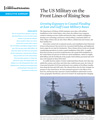
›A roughly three-foot increase in sea level will threaten 128 coastal military installations in the United States, valued at $100 billion, according to a study from the Union of Concerned Scientists. The report, The U.S. Military on the Front Lines of Rising Seas, argues that the growing exposure to storm surge and sea-level rise puts vital infrastructure, training and testing grounds, and housing for thousands of personnel at risk. -
Elena Ateva on Putting the Individual at the Center of Maternal Care
›Exactly one year after the adoption of the Sustainable Development Goals in September 2015, The Lancet published a special series on achieving maternal health priorities in the SDG era, with a focus on quality, equity, strengthening entire health systems, sustainable financing, and collecting better evidence. -
To Be Young, Libyan, and Female: Alaa Murabit on Building Civil Society After Gaddafi
›In the turbulent days following the 2011 fall of Colonel Muammar Gaddafi’s government, Dr. Alaa Murabit found herself in Libya’s fragile capital, Tripoli, observing exchanges between parliamentarians and civil society over the future of the country. For over 40 years, this kind of discussion was unthinkable – not the least, for a young woman. -
The Global Refugee Crisis Has Coarsened Our Politics, Says Wilson Fellow Joseph Cassidy
›Chaotic flows of refugees and migrants – the most since World War II – have challenged leaders in Western Europe and North America. “The reactions to those big flows are undermining our institutions in important ways and degrading our politics,” says Wilson Center Fellow Joseph Cassidy in this week’s podcast. -
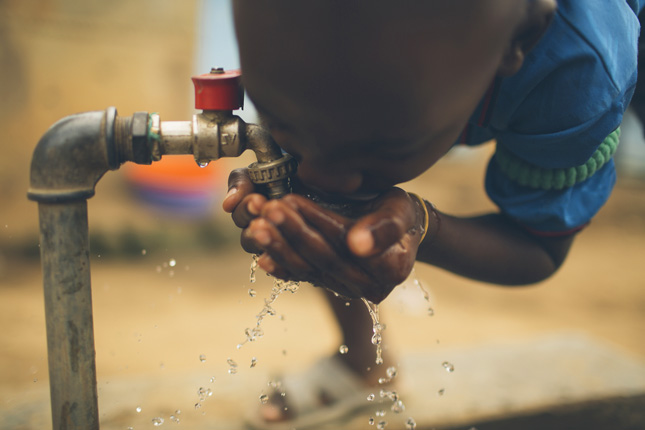
5 Focal Points for U.S. Global Water Strategy (And Submit Your Own Too)
›November 3, 2016 // By Ken ConcaHave something to say about the U.S. government’s approach to water around the world? Here’s your chance. The Department of State has issued a public call for comment on its global water strategy. An open session was held in Washington last Friday, but written comments can be submitted until November 12.
For inspiration, here are points made by our own (and American University’s own) Ken Conca, edited for space:
Showing posts from category human rights.
 There may be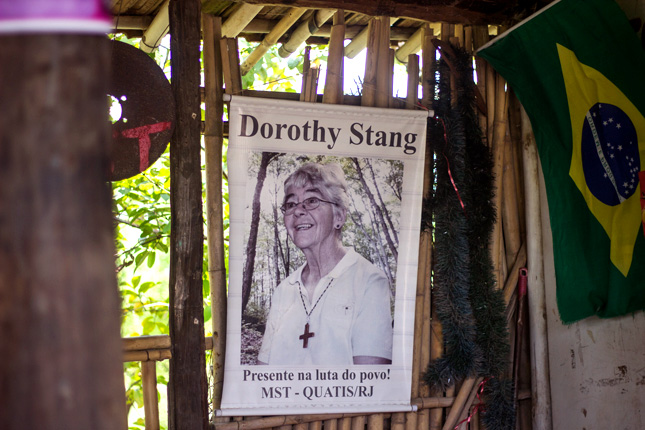
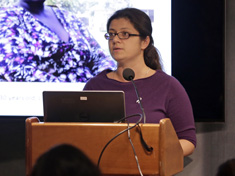 Exactly one year after the adoption of the Sustainable Development Goals in September 2015,
 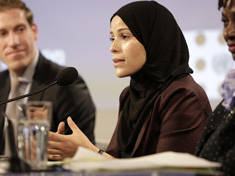 In the turbulent days following the 2011 fall of Colonel Muammar Gaddafi’s government, Dr. Alaa Murabit found herself in Libya’s fragile capital, Tripoli, observing exchanges between parliamentarians and civil society over the future of the country. For over 40 years, this kind of discussion was unthinkable – not the least, for a young woman.
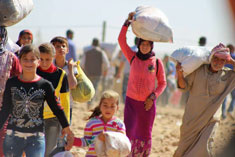 Chaotic flows of refugees and migrants – the most since World War II – have challenged leaders in Western Europe and North America. “The reactions to those big flows are undermining our institutions in important ways and degrading our politics,” says Wilson Center Fellow