-
The Deadly “Humanitarian Ping-Pong” of Refugee Rescue at Sea
›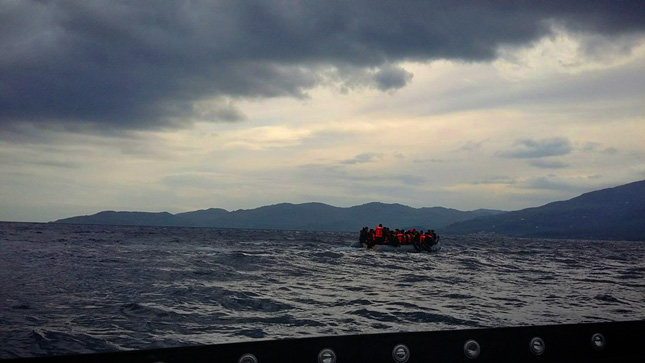
In 2013, a boat capsized 61 miles from the Italian island of Lampedusa killing 268 refugees including 60 children. It was another horrific example of the risks taken by so many families fleeing violence in the Middle East and Africa. But recently released tapes of conversations with coast guard authorities reveal a deeper tragedy.
-
Too Much, Too Soon: Addressing Over-Intervention in Maternity Care
›
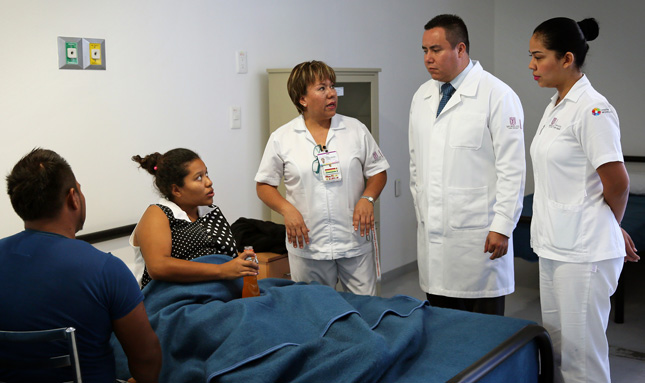
For years, the primary approach to improving global maternal health was additive – to increase capacity to address shortfalls in clinics, doctors, supplies, information, and skilled care. Today, however, some women are experiencing issues related to the opposite problem: too much.
-
Jessica F. Green & Thomas N. Hale, Duck of Minerva
Why IR Needs the Environment and the Environment Needs IR
›April 13, 2017 // By Wilson Center StaffThe state of the global environment is terrible – and deteriorating. The globalization of industrial production and the consumptive habits of 7 billion people have created the Anthropocene, a geologic age in which the actions of humans are the primary determinant of the Earth’s natural systems. This shift creates a profound new form of environmental interdependence, of which climate change is only the most salient example.
-
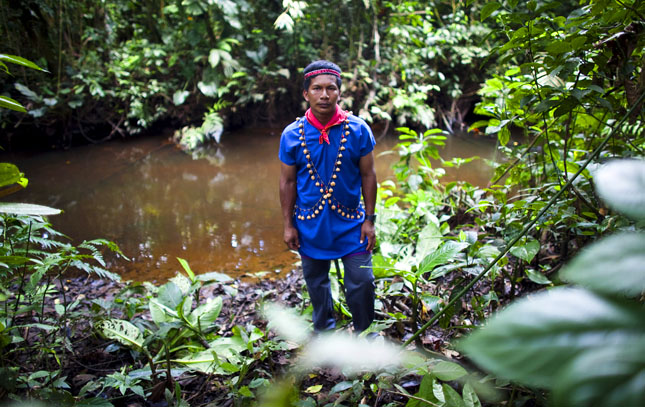
In Ecuador, Indigenous Environmental Attitudes Affected by Proximity to Oil Extraction
›True to essentialist stereotypes, Latin America’s indigenous peoples are the best stewards of the region’s rainforests. But the source of their enthusiasm for environmental protection is more complex than mere ascriptive traits or whether they speak native languages. What’s more, in a development that should be worrying to environmentalists, exposure to the negative effects of extractive industries appears to have a degrading effect on that enthusiasm.
-
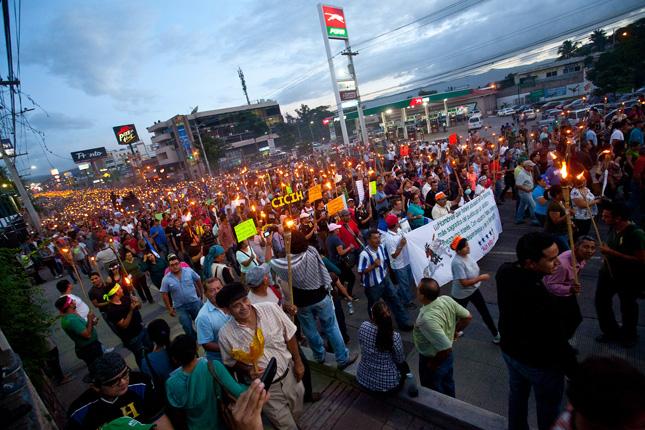
Torn Social Fabric: Water, Violence, and Migration in Central America
›In the first half of last year, 26,000 unaccompanied children were apprehended by U.S. law enforcement trying to cross the southern border. Most came from Central American states like El Salvador, Guatemala, and Honduras. Such displacement is just the tip of the iceberg in terms of migration in the region. Many more are moving from rural to urban areas and into neighboring countries seeking opportunity and fleeing violence.
-
Vice-President Eduardo Stein on Water Conflict in Guatemala: Origins and Solutions
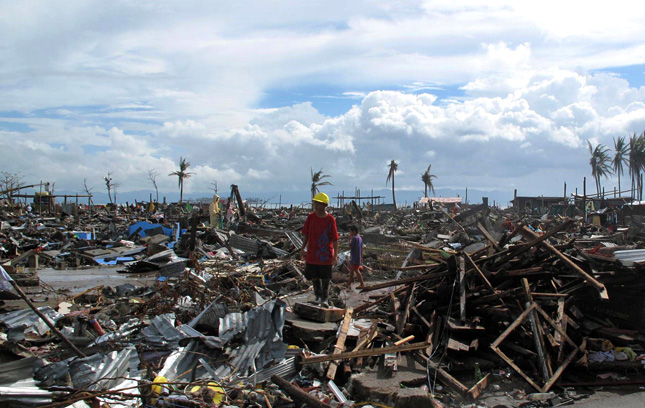
›Since 2014, Central America has experienced a dramatic lack of rainfall, destroying grain crops and killing cattle. As of last summer, 2.8 million people were impacted by drought and 900,000 were at risk of malnutrition in Guatemala alone. The effects of environmental change have been especially acute in Guatemala because they are layering on top of existing dysfunction and instability, says Former Vice-President of Guatemala (2004-2008) Eduardo Stein in this week’s podcast. -
Wartime Public Health Crises Cause More Deaths Than Weapons, So Why Don’t We Pay More Attention?
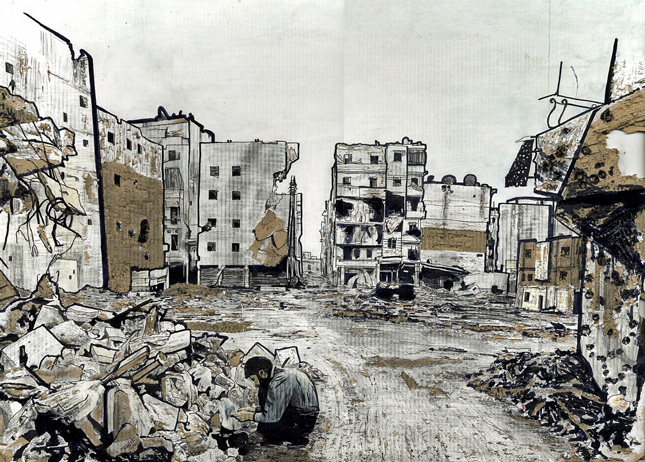
›In 2004 I was honored to be interviewed for The Lancet medical journal’s “Lifeline” series. I had just come away from a disastrous short tenure as the interim minister of health in Iraq following the 2003 war. I had support from former Secretary of State Colin Powell to rapidly mitigate and recover the war-related destruction of essential public health infrastructure and protections required as occupiers under Articles 55 and 56 of the Geneva Conventions that follow every war.
-
Environmental Defenders Under Attack: Second Goldman Prize Winner Killed in Less Than a Year
›Despite recent press coverage about the violence against international environmental defenders, another prominent figure has been murdered in cold blood.
Showing posts from category human rights.
 Since 2014, Central America has experienced a dramatic lack of rainfall,