-
Solar Suitcases for Safe Delivery
›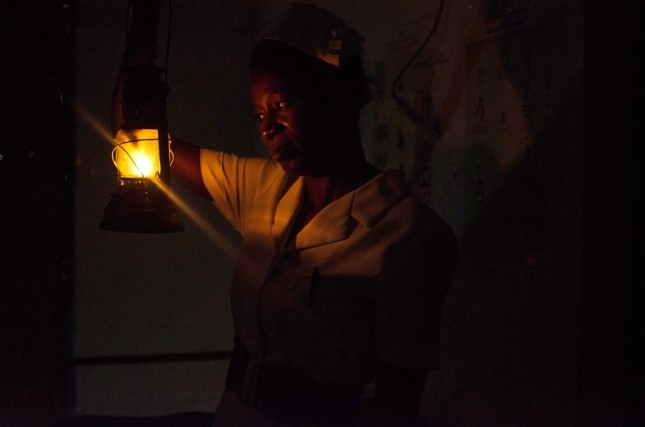
Imagine trying to perform a C-section, or conduct a delivery, in a hospital with no light.
For hundreds of thousands of health workers, this is the reality they face each night. Close to 300,000 women and one million newborns (primarily in sub-Saharan Africa and Southeast Asia) die from complications of pregnancy and childbirth each year. Hemorrhage, infection, eclampsia, obstructed labor, and unsafe abortion cause the majority of obstetric deaths— many of which could be prevented with access to timely emergency obstetric care.
-
Nigeria’s Demographic Moment? Or Just Wishful Thinking?
›
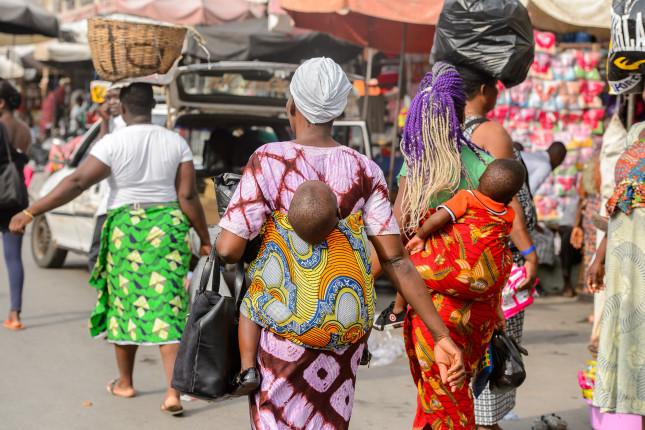
Over the past several months, members of the foreign affairs and development communities have heaped a great deal of attention—and interpretation—on the pace of demographic change in Nigeria.
-
The U.S. Maternal Mental Health Crisis: Causes and Potential Remedies
›The United States is in the midst of a maternal mental health crisis. Not only are mental health conditions the most common complication of pregnancy and childbirth, but they are also the leading cause of maternal mortality. Each year, 800,000 families in the United States will be impacted by maternal mental health (MMH) conditions—and 225 new mothers will die by suicide or overdose.
-
World Population Day: Understanding Current Trends to Enhance Rights and Climate Resilience
›In today’s demographically diverse world, population issues abound, creating different and important social, economic, and political implications. World Population Day (observed each year on July 11) offers an opportunity to reflect on why population is so important. Understanding the implications of population growth and decline, as well as population age structure and migration—is essential to strengthen our abilities to plan for a more sustainable future.
-
Taking a Big Bite Out of Methane in Meat and Milk
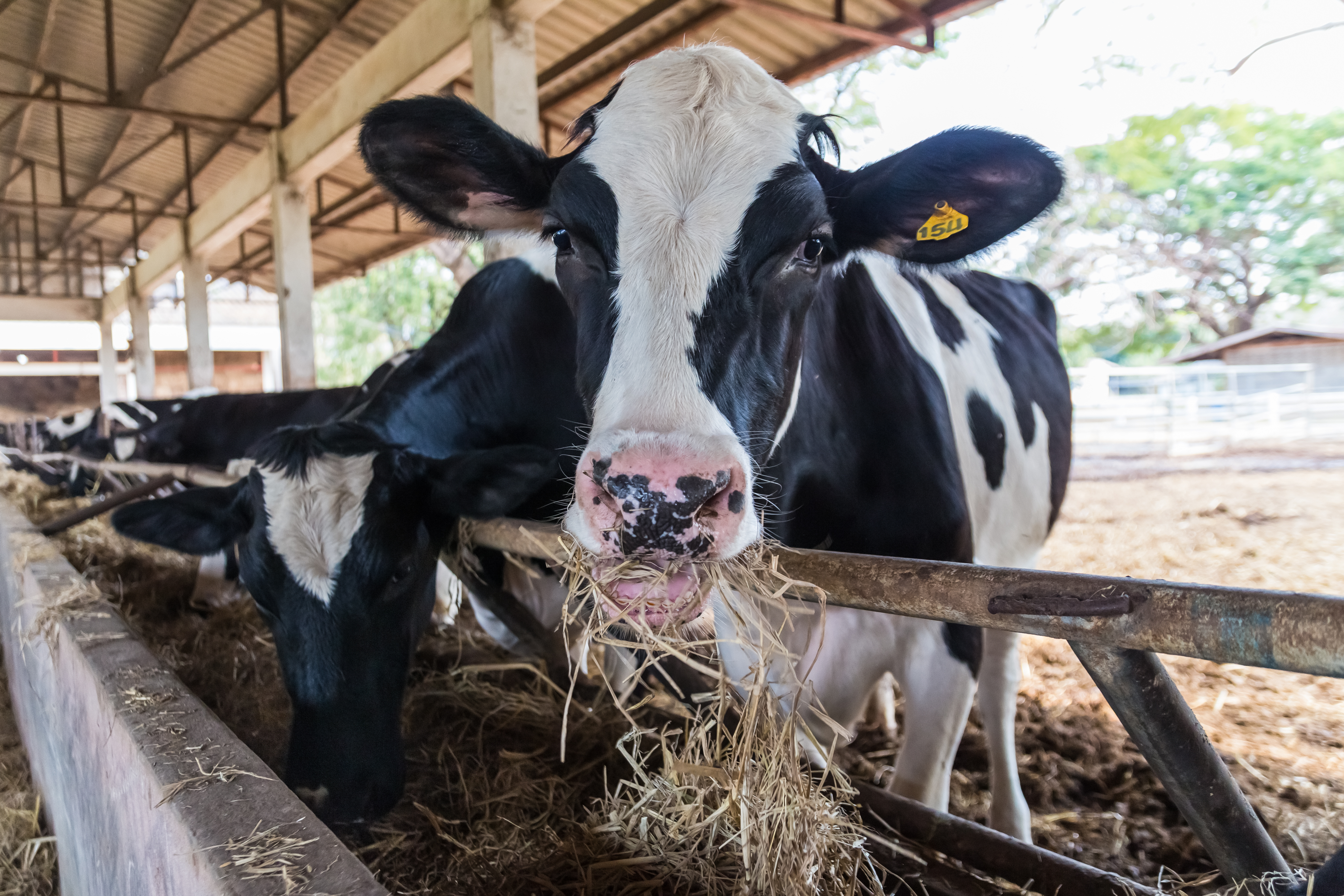
›China Environment Forum // Cool Agriculture // Guest Contributor // June 28, 2023 // By Christopher GambinoAs a potent greenhouse gas, methane puts food production in jeopardy though its impacts on planetary warming, reduction of crop yields via tropospheric ozone, and drops in livestock productivity. Cattle, sheep, and goats emit methane as a natural part of their digestive process as ruminants (technically known as “enteric fermentation”) as they turn the fibrous plants of their diet into milk and meat.
-
Solving Municipal Solid Waste Management Challenges in Arctic Cities
›The Arctic was once untouched and pristine. However, over the years, the polar environment has experienced ecological damage caused by extensive resource exploration, military activities, and contamination from sources originating outside of the region. The extent and implications of the human-induced pollution legacy are still awaiting comprehensive estimation, measures, and solutions.
-
Intersectionality Matters: Improving UPR Recommendations on Global Human Rights
›When Michelle Bachelet, former United Nations (UN) High Commissioner for Human Rights, pointed to what she called “the reality of multiple and intersecting forms of discrimination” in December 2020, she also highlighted the importance of factoring them into any analysis and policymaking in the human rights space.
-
Rethinking Population, Climate, and Health: Focusing on Solutions
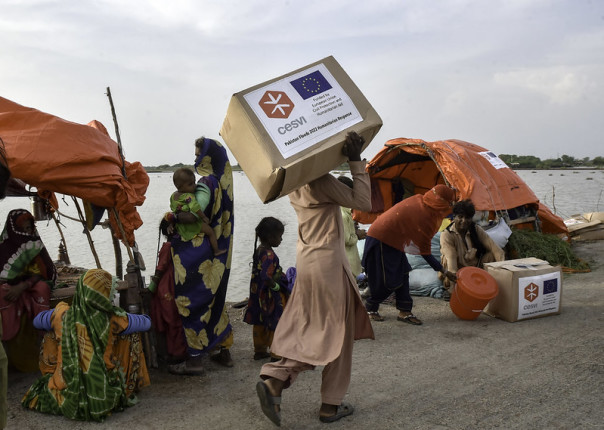
›News about global climate impacts that elevate mortality, wreak weather havoc, and create massive displacement is inescapable. And those are just the stories that make the headlines. Droughts in Africa are estimated to impact 250 million people and displace 700 million more by 2030. Climate impacts brought on by El Niño are devastating the food supply chain, exacerbating Guatemala’s struggle to reduce childhood malnutrition.
Showing posts from category Guest Contributor.