-
From Floods To Disaster: A Conflict- And Climate-Sensitive Recovery Pathway For Libya
›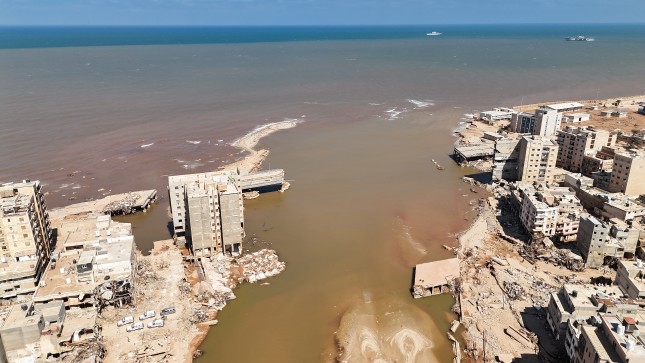
More than 11,300 people are confirmed to have died in the floods that struck eastern Libya on September 11, 2023, far surpassing many estimates of the death toll in the country’s 2011 civil war. Thousands are still missing. Flooding has washed away approximately 25% of the city of Derna, and damage to roads and bridges is curtailing emergency service access. A rapid attribution study estimated that the extreme rain was at least a “1-in-300 year event.” This is far beyond previously recorded incidents, yet such incidents are now up to 50 times more likely—and up to 50% more intense—when compared to a 1.2°C cooler climate.
-
PFAS ‘Forever Chemicals’ Harming Wildlife the World Over: Study
›
This article, by Sharon Guynup, originally appeared on Mongabay.
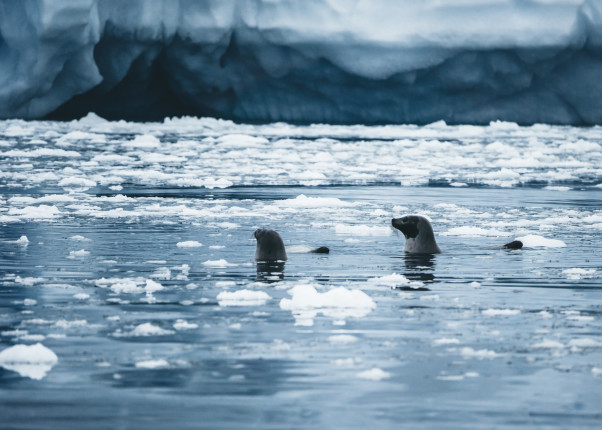
In Hawaii and elsewhere in the North Pacific, few hatchlings are emerging from the nests of endangered hawksbill and green sea turtles. In Wisconsin, some tree swallows have failed to produce offspring. In California, infectious diseases are now more common in southern sea otters. In Michigan, bluegills are swimming slower. In the Arctic, some hooded seals and their pups have thyroid problems. And in North Carolina’s Cape Fear River, American alligators have been found with lesions and unhealed, infected wounds.
-
Can China’s Eco-Authoritarianism Lead Global Climate Action?
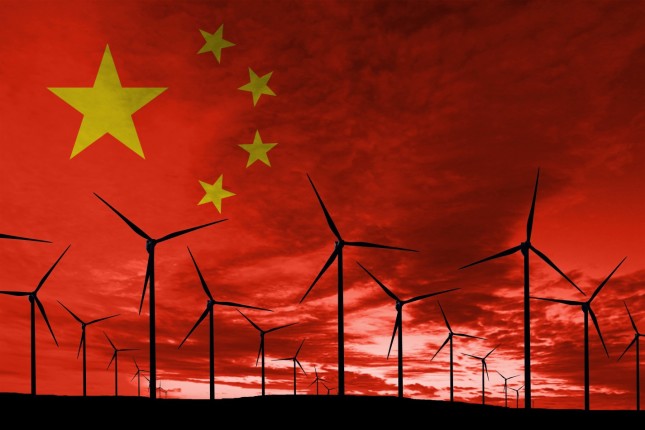
›In a time where climate action is urgent, there are debates how China’s “eco-authoritarianism” can move climate and environmental policies faster than in liberal democracies. Although eco-authoritarianism has some benefits, it is no “green bullet” as divisions between China’s central and local governments and a lack of civic participation can slow or derail some climate and pollution policies.
-
Connecting the Dots: Women’s Political Empowerment and Reproductive Health
›The Biden-Harris Administration marked a significant milestone earlier this year by hosting the second Summit for Democracy—which highlighted steadfast commitments to advancing women’s political and civic engagement. Global efforts towards achieving gender equality have not prevented the continuing worldwide underrepresentation of women in political decision-making—hindering progress towards empowerment and equal participation.
-
China’s Belt and Road Initiative: Powering a Low or High Carbon Future?
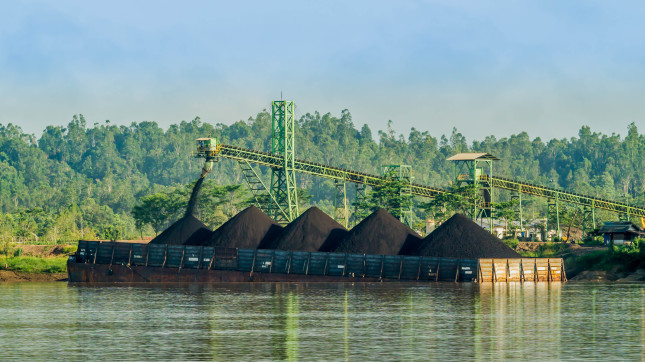
›China Environment Forum // Guest Contributor // Vulnerable Deltas // September 28, 2023 // By Chuyu LiuChina’s Belt and Road Initiative (BRI) can significantly affect the country’s domestic and overseas energy transition and decarbonization agenda. Electricity projects in China’s BRI investments, contrary to popular impressions of being part of a monolithic “project of the century,” have divergent implications for the host country’s shift away from coal-based power plants. -
Disasters in Armed Conflict Zones: Silver Linings or Total Devastation?
›When catastrophic floods struck civil war-ridden Libya in the late summer of 2023, the catastrophe caused over 10,000 deaths and wreaked immense destruction throughout the nation’s northeastern regions. But because none of the warring factions were in full control of the country and international responders were concerned about being caught in the crossfire, relief efforts were delayed and limited. This confluence of factors amplified human suffering, particularly in Libya’s remote and worst-affected areas.
-
Connecting the Dots: Women, Peace, and Security and Reproductive Health
›It is well established that women’s and girls’ lives are disproportionately affected by humanitarian emergencies—and that these crises often underscore pre-existing discriminatory practices. According to the United Nations Population Fund (UNFPA), women and children account for more than 75 percent of those at risk from war, famine, persecution, and natural disaster. During these emergencies (and in their aftermath), women and girls are exposed to greater threats, such as the loss of livelihoods, education, and security due to displacement and the breakdown of social order.
-
Shifting the Climate Security Narrative: How the Department of Defense Can Lead
›In 2021, US Defense Secretary Lloyd J. Austin III referred to climate change as an “existential threat”—a term traditionally reserved for nuclear weapons. Yet two years and several strategic plans later, tangible progress to mitigate and prepare for this threat remains elusive, especially on the international scale where the greatest impacts could be realized.
Showing posts from category Guest Contributor.