-
Climate Change and Conflict in West African Cities: Early Warning Signs in Lagos and Accra
›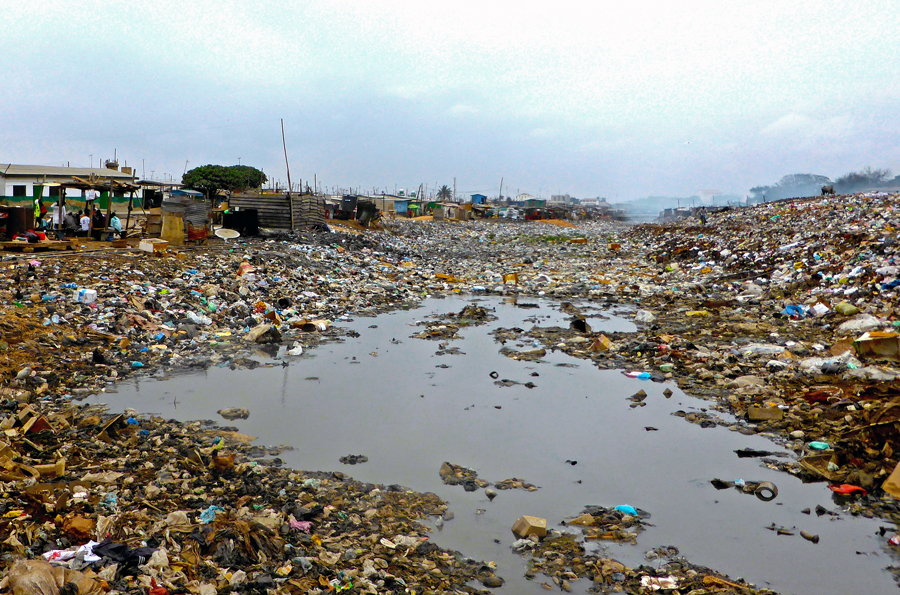
Despite the threat posed by flooding and sea-level rise, relatively little attention has been paid to the potential for environmentally induced instability in coastal West African cities. However, current trends, including rapid population growth, land use patterns, and increasing climate impacts, suggest the costs of inaction in these urban areas are rising.
-
Dawn of the Smart City? Perspectives From New York, Ahmedabad, São Paulo, and Beijing (Report Launch)
›
Rapid growth and environmental change are creating new challenges for urban areas around the world. By 2050, as many as 7 out of 10 people on Earth will live in cities, with the vast majority of growth occurring in today’s developing countries. [Video Below]
-
Can Social Accountability Help Ensure Rights and Better Participation in Maternal Health Services?
›Over the last two decades, social accountability has emerged as a strategy to make health services more responsive to community needs. It’s an approach that creates a space for “interaction between citizen engagement and government responsiveness,” said Jonathan Fox, professor of international development at American University at the Wilson Center May 5. [Video Below]
-
Partnering on Climate Change Adaptation, Peacebuilding, and Population in Africa
›June 12, 2014 // By Lauren Herzer RisiRapid population growth can be a contributing factor to climate change vulnerability and should be considered in climate adaptation and peacebuilding efforts, said the Wilson Center’s Roger-Mark De Souza at a workshop on climate change adaptation and peacebuilding hosted by the Institute for Security Studies (ISS) in Addis Ababa.
-
Frank Carini, ecoRI News
7 Billion and Counting: Roger-Mark on Global Population Concerns at Future of Nature Forum
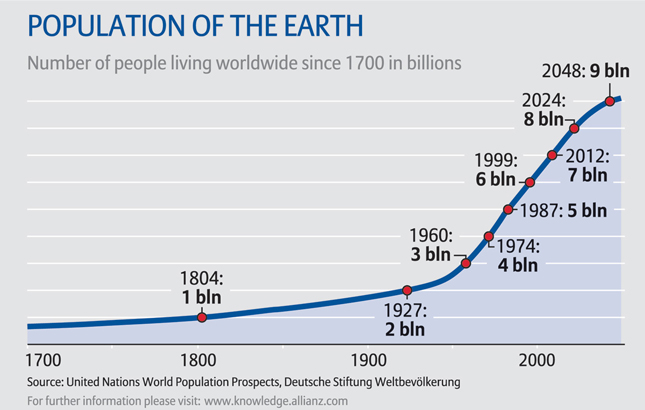
›June 10, 2014 // By Wilson Center StaffSince the start of the Industrial Revolution some 250 years ago, the widespread use of chemical fertilizers and pesticides that began about a century and a half later and the atomic half-life of the past seven decades, humans have developed and doused land and dammed and diverted water. These practices have left a wound that continues to fester as the human population swells.
-
CNN Profiles the Work of Conservation Through Public Health in Uganda
›Reporting on long-term, complex human-environment interactions can be daunting. As the saying goes, “if it bleeds, it leads,” and slow, sometimes-distant changes rarely make headlines. Yet, earlier this year CNN International’s African Voices program took a stab at it, diving into the world of integrated development in a three-part profile of Conservation Through Public Health (CTPH), a Ugandan NGO that is working to preserve one of Central Africa’s most important biodiversity hotspots while strengthening the health and wellbeing of nearby communities.
-
How Do We Bounce Back Better? 2015 a Critical Year for Global Resilience, Climate Efforts
›According to NASA and a team of scientists from the University of California, significant portions of the West Antarctic ice sheet have begun an unstoppable slide towards oblivion, slowly melting in warmer-than-usual ocean currents that have been eating away at their bases. [Video Below]
-
What Can Governments Do About Falling Birth Rates?
›“We have a fairly unique moment in the history of the world,” said Steven Philip Kramer, a professor at National Defense University, at the Wilson Center on April 17. “There’s never been a time when people have voluntarily produced fewer children than is necessary for sustaining the population.” [Video Below]
Showing posts from category global health.