-
Russell Sticklor, Global Waters
How One Philippine City Is Preparing for a Water-Scarce Future
›May 10, 2016 // By Wilson Center Staff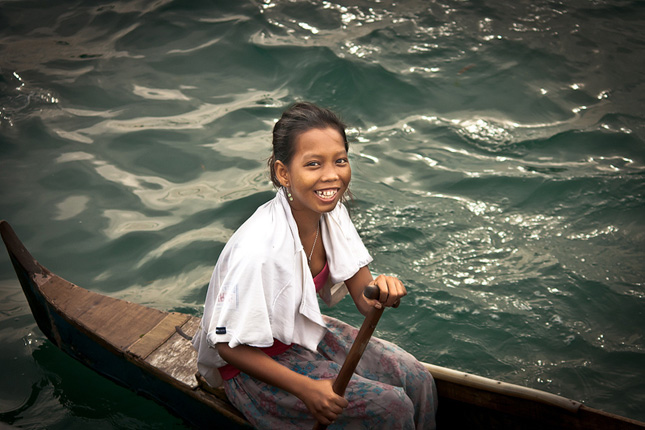
Surrounded by water, the Philippines is especially vulnerable to climate change. Its islands and its people are enduring increasingly unpredictable rains, intensifying cycles of flood and drought, and strengthening storms forming in the Pacific. These changing weather patterns have not only derailed livelihoods and agricultural productivity in rural areas, they have also worsened water insecurity in cities, where 45 percent of the population live.
-
Water Is the Climate Challenge, Says World Bank
›May 6, 2016 // By Schuyler NullHow will climate change affect you? Probably through water.
That’s the major message of a new World Bank report that finds the ways governments treat water can have a profound effect on the economy.
-
After Mexico City and Before Copenhagen: Keeping Our Promise to Mothers and Newborns
›
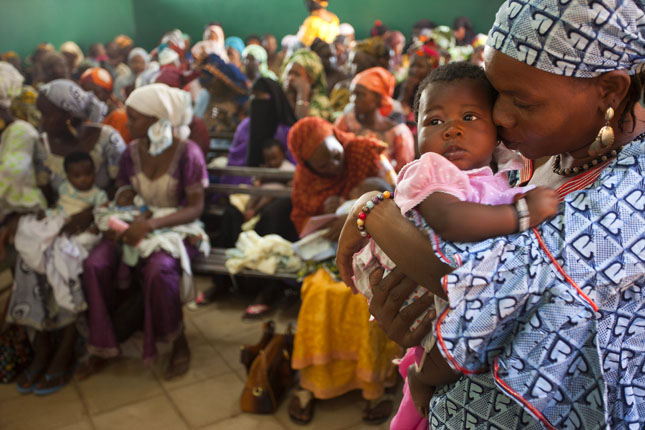
Last October, on the heels of the UN General Assembly agreeing to the Sustainable Development Goals, the global health community met in Mexico City to discuss strategy for achieving the “grand convergence”: finally bridging the gap between maternal and newborn health in rich and poor countries. [Video Below]
-
Mariam Claeson: Quality, Not Quantity of Care for Maternal and Child Health
›“It’s not about counting how many times a mother interacts with antenatal services or comes to the facility,” says Dr. Mariam Claeson, the director of maternal newborn and child health at the Bill and Melinda Gates Foundation, in this week’s podcast. “But it’s what happens in these encounters that matters.” -
How Zika Is Shaping the Sexual and Reproductive Health and Rights Agenda
›“The Zika outbreak is a result of something; it is the result of the lost attention to sexual and reproductive health issues as a human right and women as subjects of rights,” said Jaime Nadal Roig, the United Nations Population Fund representative to Brazil, at the Wilson Center on April 12. [Video Below]
-
Culture and Rights: The Struggle From Within to End Female Genital Cutting
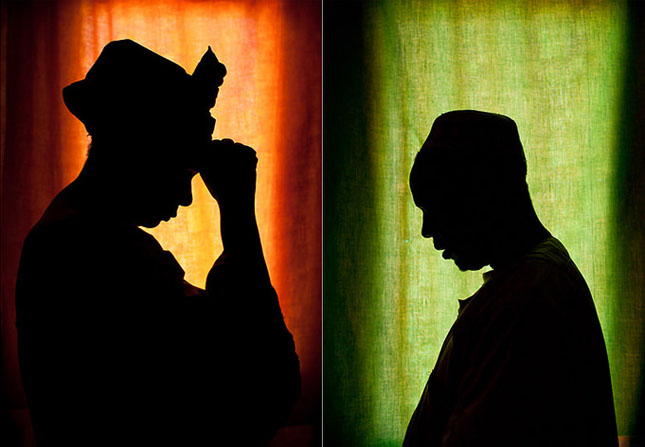
›Ashraf and Shazia use the word “guilt” often.* Their voices tremble as they rewind to the day when they read an article in an Indian magazine, Manorama, that opened their eyes to the reality of khatna – the practice of female genital mutilation among their community. “We felt guilt – immense, powerful guilt – when we realized that this was not needed, that we didn’t need to put our elder daughter through this,” the parents say. “We had no idea this was just going on, prevalent, generation after generation.”
-
Family Planning, Reproductive Health Crucial to Zika Response, Says Chloë Cooney
›“Zika has made a long-standing public health crisis impossible to ignore,” says Chloë Cooney, director of global advocacy at the Planned Parenthood Federation of America, in this week’s podcast. -
Changing the Narrative on Fertility Decline in Africa
›Today, Africa has the world’s highest fertility rates. On average, women in sub-Saharan Africa have about five children over their reproductive lifetime, compared to a global average of 2.5 children. Research shows that the “demographic transition,” the name for the change from high death and fertility rates to lower death and eventually lower fertility rates, has proceeded differently here from other regions in the developing world.
Showing posts from category global health.
 “It’s not about counting how many times a mother interacts with antenatal services or comes to the facility,” says Dr. Mariam Claeson, the director of maternal newborn and child health at the Bill and Melinda Gates Foundation, in this week’s podcast. “But it’s what happens in these encounters that matters.”
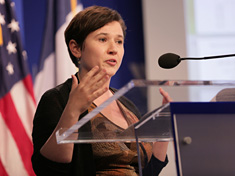 “Zika has made a long-standing public health crisis impossible to ignore,” says Chloë Cooney, director of global advocacy at the Planned Parenthood Federation of America, in this week’s podcast.