-
Previewing the Next Generation of Global Maternal and Newborn Health Programs in Mexico City
›
The Global Maternal Newborn Health Conference, held in Mexico City from October 18-21, will provide a forum to identify, understand, and respond to the most urgent health needs of mothers and newborns. The hope is that it will accelerate momentum for maternal and newborn health in the newly adopted Sustainable Development Goals and put us on a track to end all preventable maternal and newborn deaths.
-
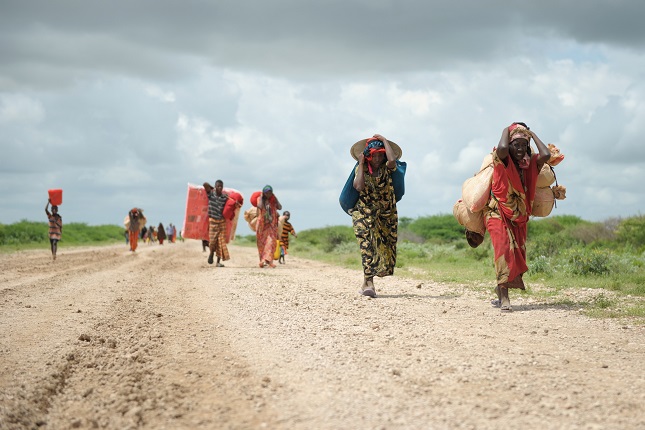
Pakistan’s Maternal and Child Health Problems “Huge Stumbling Block” to Development, Long-Term Security
›In the long term, improving maternal and child health is as critical to national security as any problem in Pakistan today, said a panel of experts including Minister of National Health Services Saira Afzal Tarar at the Wilson Center on September 9.
-
Sam Eaton, PRI’s The World
Human Traffickers Follow Floods in India, But Local Girls Are Fighting Back
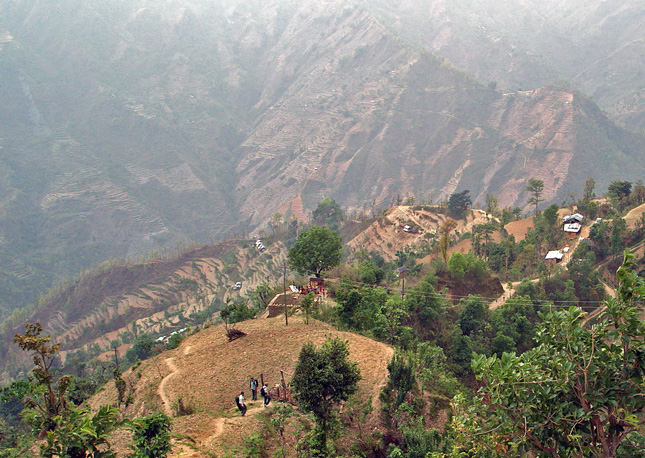
›September 17, 2015 // By Wilson Center StaffThe Sundarbans – a collection of densely populated islands in India’s sprawling Ganges Delta – are so remote that the only way to get there is by boat. But human traffickers still manage to get in, and that’s left many families with missing daughters.
-
As Droughts, Floods, Die-Offs Proliferate, “Climate Trauma” a Growing Phenomenon
›September 9, 2015 // By Carley Chavara
According to recent polling, climate change is seen as the single most threatening international challenge around the world, and there’s evidence that all that worry is taking a psychological toll. Adding to droughts, floods, extreme weather, and die-offs, psychologists are observing higher levels of anxiety, depression, and post-traumatic stress disorder in certain areas and professions. Even people who do not actively stress about global warming or view it as a major threat may still suffer psychological trauma from its effects.
-
The Road Ahead for Young People and Family Planning
›Yesterday was International Youth Day, and governments, donors, and public health professionals are paying more attention to the unique needs of the world’s young people and the importance of their civic engagement and participation. Unfortunately, most young people do not have access to basic sexual and reproductive health care and information. This not only undermines their health and wellbeing, but significantly affects their abilities to stay in school and participate in their communities.
-
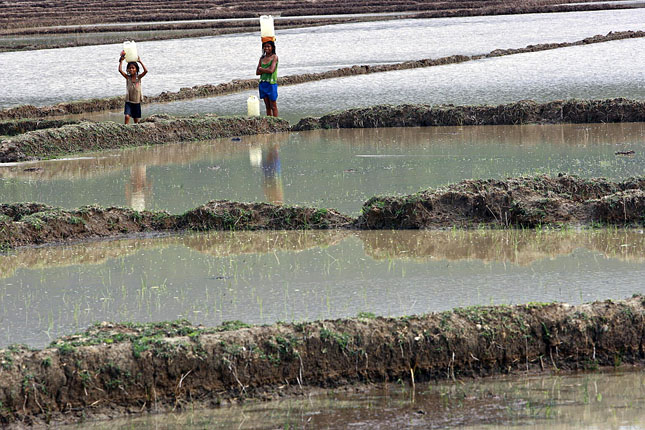
Without Water, No Sustainable Development: World Water Week 2015
›The World Economic Forum recently named water crisis the world’s number one risk for the next 10 years for its potential impact on people and industry. Indeed, as the global community grapples with climate change – and environmental change of all kinds – understanding the fundamental nature if water to human society is crucial. The input report for this year’s World Water Week, released yesterday by the Stockholm International Water Institute, in fact argues that getting water management right is a prerequisite for sustainable development.
-
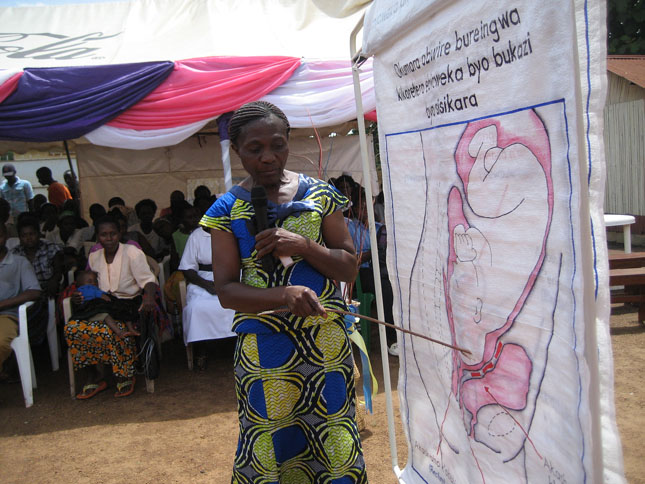
Build It and They Will Come: New Approaches to Eliminating Fistula and Other Maternal Morbidities
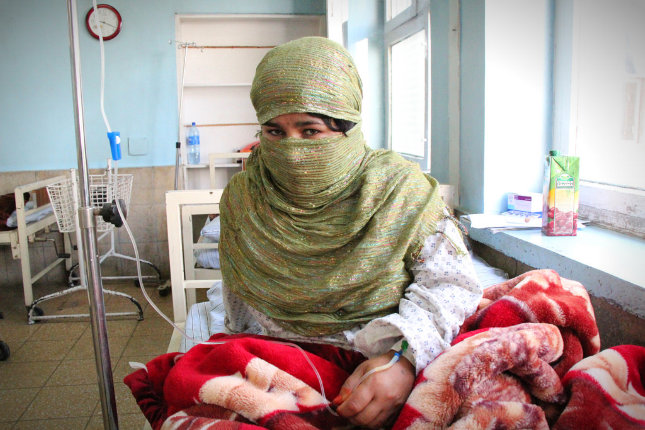
›Obstetric fistula and pelvic organ prolapse are two common maternal morbidities that impact thousands of women in developing countries each year but are often overshadowed by maternal mortalities. Obstetric fistula, a hole in the birth canal caused by obstructed labor, affects between 50,000 and 100,000 women each year, mostly in developing countries. Pelvic organ prolapse, which occurs when a woman’s pelvic organs slip out of place, is 10 times more common, according to Dr. Lauri Romanzi, who spoke at the Wilson Center on July 14. [Video Below]
-
The SDGs Are All About Integration – Good Thing PHE Programs Have Been Doing That for Years
›Last week, the United Nations concluded one of the last negotiations on the road to adopting the Sustainable Development Goals in September. We’ve entered the home stretch of a process that has taken more than two years, bringing governments, civil society organizations, and communities together to define the development goals and targets that UN member states will be expected to aim for over the next 15 years.
Showing posts from category gender.