-
Women and War: Securing a More Peaceful Future
›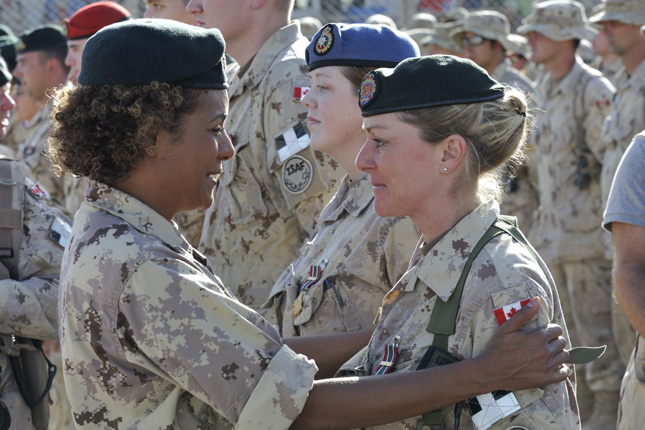
“Conflicts are 35 percent more likely to be resolved and remain peaceful for 15 years if women are involved,” said Carla Koppell, vice president of the Center for Applied Conflict Transformation at the United States Institute of Peace, at a recent Wilson Center event on the role of women in war, security, and peace.
-
U.S. Global AIDS Coordinator: DREAMS Program Reduced HIV/AIDS Among Adolescent Girls in Sub-Saharan Africa
›
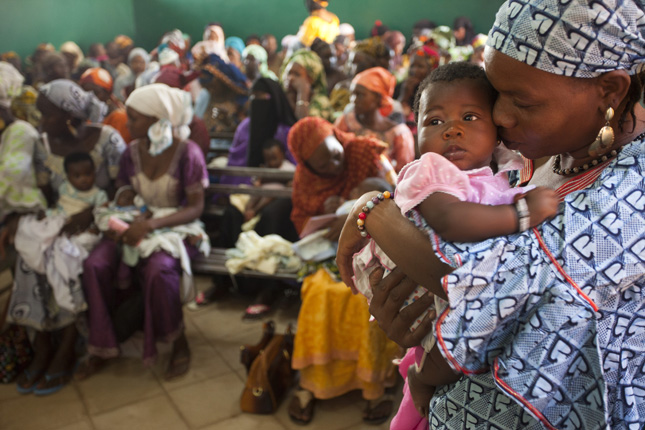
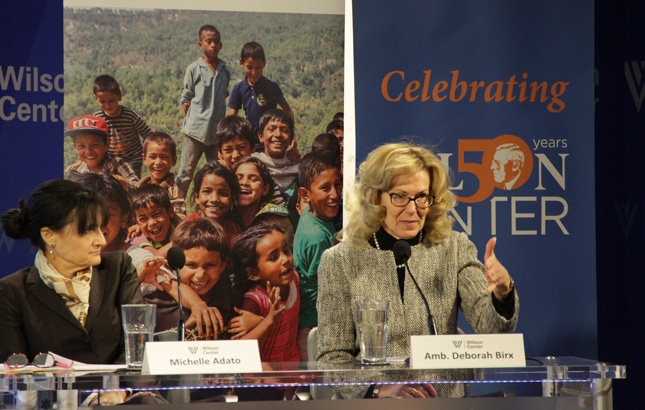
“There is no healthcare delivery system for non-pregnant 15- to 24-year olds,” said the U.S. Global AIDS Coordinator, Ambassador Deborah Birx, at a recent Wilson Center event on efforts to reduce the prevalence of HIV/AIDS among adolescent girls in sub-Saharan Africa. In 2014, the U.S. President’s Emergency Plan for AIDS Relief (PEPFAR) established the DREAMS program, which aims to create “a health care system where young people interact in a proactive and positive way,” said Birx.
-
Story of the Decade: Population Dynamics (and Women and Water) Top List of Our Most Popular Posts
›This One Goes to 11.
Eleven years ago this week, the New Security Beat began covering population, environment, and conflict connections. Today, our goal remains the same as in 2007: to provide insight on today’s new security threats and to share overlooked opportunities for cooperation. As we wrote then, “countries in crises often share the problems of rapid population growth and deteriorating environmental resources”: and unfortunately, the same trends continue undermine peace and deepen poverty. But we’ve also analyzed notable global efforts, including the Sustainable Development Goals and the growing resilience agenda, that offer hope for progress.
-
“It Can Be Done”: Address Malata’s Dream for Safe Motherhood in Malawi
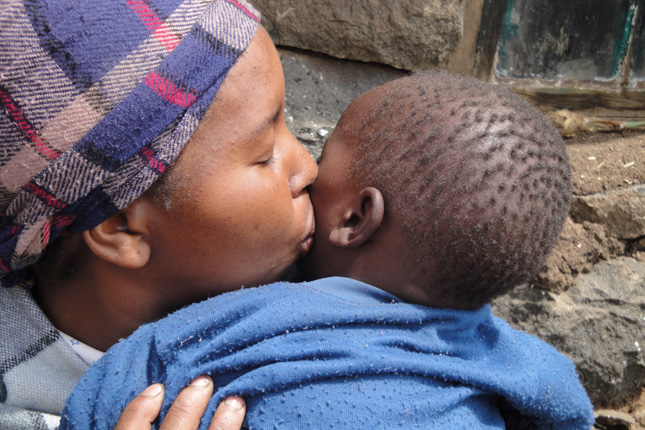
›“Women still die…and they die preventable deaths,” said Address Malata, vice chancellor of the Malawi University of Science and Technology, at a recent Wilson Center event honoring the 30th anniversary of the Safe Motherhood Initiative. Malata—a midwife and the former vice president of the International Confederation of Midwives—told the heart-wrenching story of a pregnant woman who, like so many others, died waiting for transportation. -
The 30th Anniversary of the Safe Motherhood Initiative
›Since 1987, the number of women dying during pregnancy and delivery has dropped by 43 percent, saving hundreds of thousands of women’s lives—and changing the lives of their families—around the world. “Our achievement in making maternal mortality an injustice that needs to be recognized by health ministers, by heads of state, by heads of agencies, has been, I think, the single greatest achievement of the Safe Motherhood Initiative” since it began 30 years ago, said Ann Starrs, President and CEO of Guttmacher Institute, at a Wilson Center event marking the anniversary of this important effort.
-
The Burden of Care: The Impact of Progressive Policies
›The burden of care—the time, energy, and costs of caring for other people—is growing, and women shoulder the heaviest load. This burden can have negative consequences for businesses, too, as it affects the health and productivity of workers, as well as economic growth. At a recent Wilson Center Ground Truth Briefing, four leading experts discussed the ways in which progressive policies could help balance the burden of care to increase economic productivity and benefit both employers and employees.
-
The Big Picture: Measuring Efforts to Build Resilience
›“Resilience isn’t an outcome,” said USAID Resilience Coordinator Greg Collins at a recent Wilson Center event on measuring resilience; it is “the ability to manage adversity and change without compromising future well-being.” The wide array of individual factors that contribute to building resilience—ranging from livestock insurance and microsavings, to risk tolerance and women’s decision-making—can be challenging to measure individually, let alone in concert. But this assessment is essential for designing and implementing successful development projects: “We have to be able to answer the question: Is this building resilience, yes or no?” said Cornell University’s Chris Barrett.
-
The Single Best Intervention: Thirty Years of Safe Motherhood
›Over the last 30 years, the world has seen a 44 percent decrease in maternal mortality. At the same time, safe motherhood has evolved from an often neglected component of maternal and child health programs to a fundamental element of the global health agenda, leading to improved women’s health and rights. These advancements are, in large part, due to the 1987 establishment of the Safe Motherhood Initiative. To help celebrate the 30th anniversary of the Safe Motherhood Initiative, Dot Mom asked leaders in the field to reflect on the most impactful intervention of last 30 years. Join us at the Wilson Center on Friday, December 8, 1-5 p.m., to discuss these interventions—and those to come in the next 30 years.
Showing posts from category gender.

 “Women still die…and they die preventable deaths,” said Address Malata,