-
Where Are All The Men? Faith-Based Efforts to Engage Men and Boys in HIV Prevention Services
›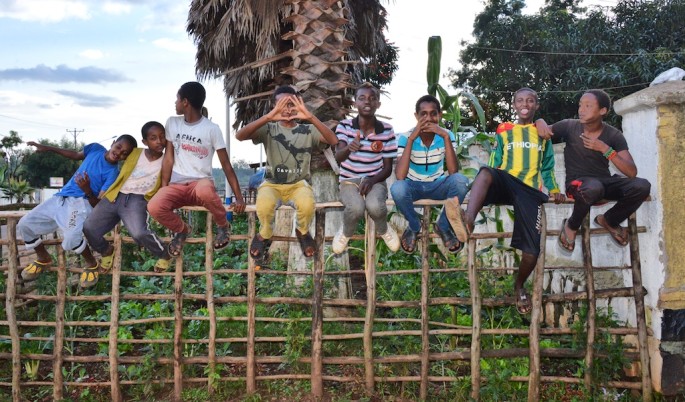
In sub-Saharan Africa, “more than half of the men under the age of 35 do not know their [HIV] status and are not on treatment,” said Dr. Sean Cavanaugh of the Office of the Global AIDS Coordinator at a recent Wilson Center event on engaging the faith community in reaching young men and boys with HIV prevention services. Consequently, men often don’t seek HIV services promptly, decreasing their rates of antiretroviral therapy and viral suppression, and increasing HIV mortality rates.
-
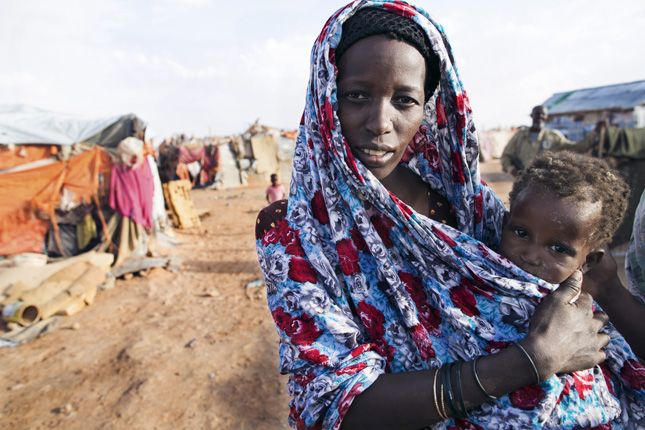
Taking Our Power Back: Women and Girls Are Key to Food Security During Conflict
›
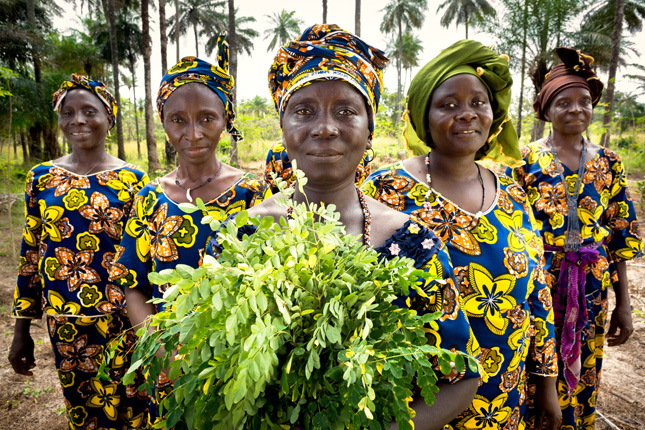
“Gender equality and women’s empowerment [need to be] at the center of the fight against extreme poverty, hunger, and malnutrition, and also in any efforts to build sustainable peace,” said Ilaria Sisto at a recent CSIS event on the critical role of women and girls in ensuring food and nutrition in times of conflict.
-
Inclusive Disaster Risk Reduction: Women and Climate Change Adaptation
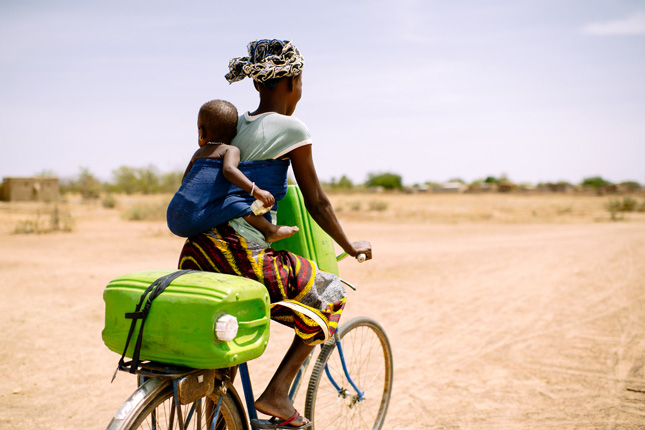
›According to a 2015 Georgetown University report on women and climate change, “the impacts of climate change – droughts, floods, extreme weather, increased incidence of disease, and growing food and water insecurity – disproportionately affect the world’s 1.3 billion poor, the majority of whom are women.”
-
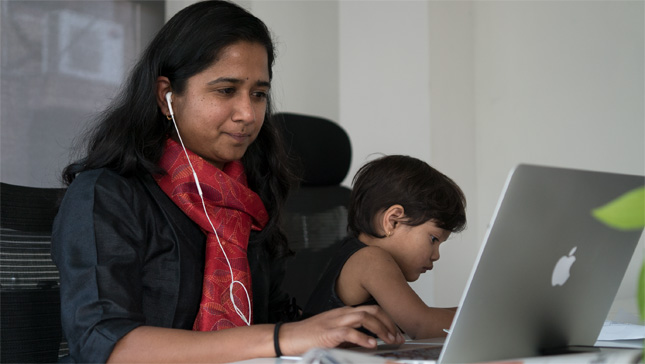
Dr. Belen Garijo: “I Believe We Need To Do Better” For Caregivers Across The World
›“As many as 865 million of our mothers, daughters, [and] sisters across the globe are not reaching their full potential to contribute to their national economies,” said Dr. Belén Garijo, CEO for healthcare and executive board member of Merck KGaA, Darmstadt, Germany, at a recent Wilson Center event. The act of caregiving, and the physical and mental health impacts that accompany it, often disproportionately rest on the shoulders of society’s women. -
The Costs of Caring: Balancing the Burden of Caregiving for Women and Men
›“The act of caregiving has unique impacts on women, in terms of economic, emotional, and physical well-being,” said Dr. Belén Garijo, the CEO for healthcare and executive board member of Merck KGaA, Darmstadt, Germany, at a recent Wilson Center event.
-
A More Just Migration: Empowering Women on the Front Lines of Climate Displacement
›“It is often expected that women care more, and therefore women are going to volunteer, and be the saviors” in times of crisis, said Eleanor Blomstrom, the Program Director and Head of Office for the Women’s Environment & Development Organization (WEDO), at a Wilson Center event on climate displacement and the changing role of women. A panel of experts discussed the impacts of climate change that not only force women to move, but also put them disproportionately at risk. By integrating gender dimensions of climate-related displacement into research, policy, and programs, we can gain a better understanding of the challenges that women face and support women’s efforts to be changemakers for their communities as they adapt to climate threats. “All issues are women’s issues,” said Blomstrom.
-
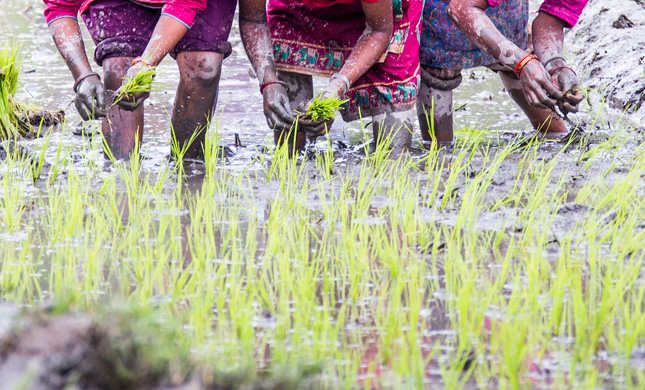
From Communities to Landscapes: Multi-Scale Approaches to Climate Adaptation in Nepal
›“Some people are more vulnerable than others” to climate change, said Judy Oglethorpe, senior director of Multilateral Program Development of the World Wildlife Fund-US (WWF) at a recent event on climate change, biodiversity, and livelihoods. Oglethorpe is the chief of party for the Hariyo Ban (Green Forests) Program, which seeks to increase ecological and community resilience to climate change in two biodiverse landscapes in Nepal. Taking a “multi-scale approach let[s] us focus on the most vulnerable people,” said Oglethorpe, and “work at different scales and across different disciplines…to reduce people’s vulnerability.”
-
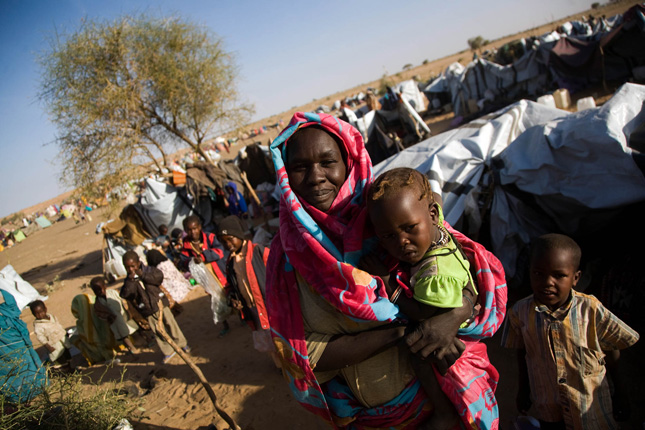
Women on the Front Lines of Change: Empowerment in the Face of Climate and Displacement
›With a swiftly changing climate comes rapidly rising sea levels, more frequent storms, and rising inequality. Slow yet consistent events like sea-level rise, as well as extreme events like hurricanes and other climate disasters, can force women and families from their homes. As the climate continues to change, adaptation will become more difficult, spurring some to leave home in search of safer ground. In the face of climate-induced instability, women are not just on the frontline of impacts, but also at the forefront of solutions.
Showing posts from category gender.
 “As many as