-
Where Life Begins: Reducing Risky Births in a Refugee Camp
›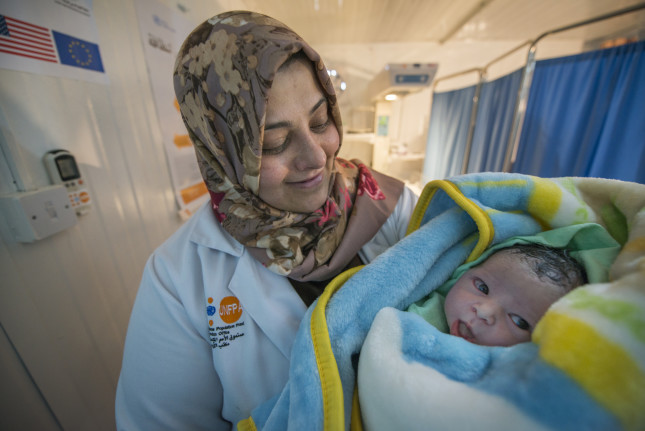
Zaatari camp, the largest Syrian refugee camp in the world, sits less than 12 kilometers away from the border between Syria and northern Jordan. Rows of houses disappear into the desert, making it hard to tell where the camp begins and ends. Metal containers pieced together like patchwork are home to around 80,000 refugees. The remnants of tattered UNHCR tents cover holes in the walls. Almost seven years after the camp opened, this dusty sea of tin roofs has evolved into a permanent settlement.
-
Forging A New Path Toward Universal Sexual and Reproductive Health and Rights
›
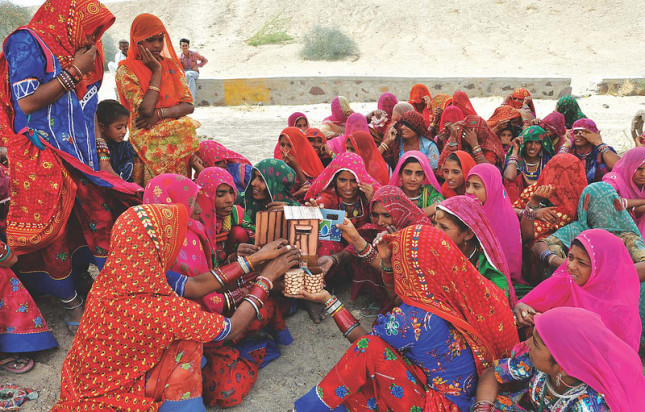
“The Guttmacher-Lancet Commission could not come at a better time,” said Patricia Da Silva, Associate Director of the International Planned Parenthood Federation United Nations Liaison Office. “It is indeed the call to action that is required; showing us that comprehensive sexual and reproductive rights must be ensured for all.” She spoke at a recent Wilson Center event on the work of the Guttmacher-Lancet Commission on Sexual and Reproductive Health and Rights (SRHR). The Commission, an international collaboration of 16 SRHR experts from Africa, Asia, Europe, the Middle East, and North and South America, recently published a report, Accelerate Progress—Sexual and Reproductive Health and Rights for All, which makes concrete recommendations for countries to address SRHR gaps and inequalities.
-
Patricia Da Silva: ‘The Time is Now’ to Accelerate Progress for Sexual and Reproductive Health and Rights
›“Almost everyone of reproductive age—about 4.3 billion people—will not have access to at least one essential or reproductive health intervention over the course of their lives,” said Patricia Da Silva, Associate Director, International Planned Parenthood Federation United Nations Liaison Office. She spoke at a recent Wilson Center event showcasing recommendations from the Guttmacher-Lancet Commission report, “Accelerate progress–sexual and reproductive health and rights for all,” on how to advance sexual and reproductive health from a human rights perspective. -
Caring for Others is Making Women Ill. What Can Government Do?
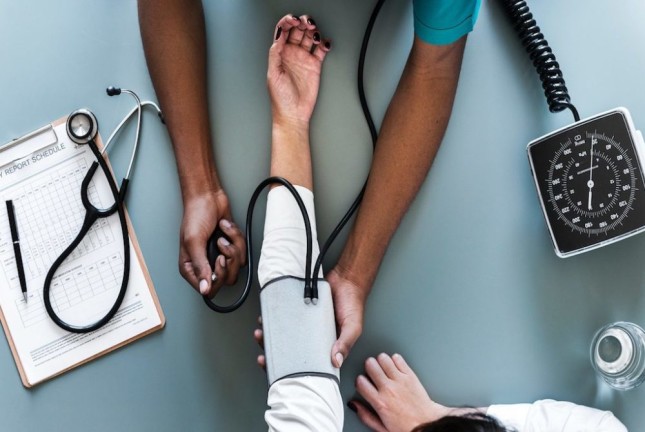
›Whether it’s thanks to shouldering the majority of unpaid care work, or facing poor conditions in their roles as paid carers, women laboring in the care economy face serious threats to their health.
-
Innovative Approaches Empower Adolescent Girls to Live HIV-free Lives
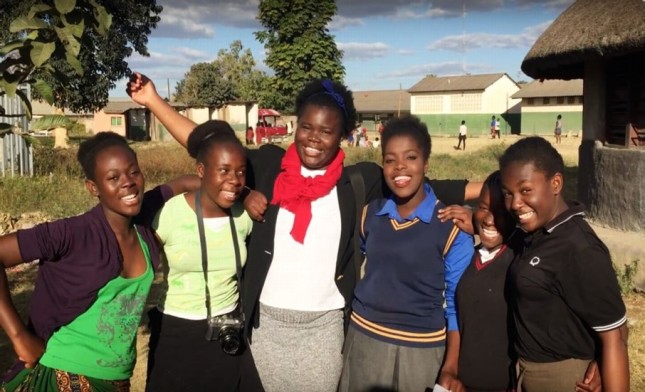
›“Everyone in the community knew that I was the next [to get pregnant], but I was so determined that until I achieve my dream of becoming an accountant, I will not drop out of school, and I will not get pregnant,” said Rebecca Acio, a 19-year-old Ambassador for the Strengthening School-Community Accountability for Girls’ Education (SAGE) DREAMS Project, Uganda. She spoke at a recent Wilson Center event on emerging lessons from the DREAMS Innovation Challenge. As a peer educator at her school in Lira, Uganda, and a temporary dropout herself, Acio “knew what it cost to be a dropout” and worked to identify other at-risk girls to encourage them to stay in school.
-
Women Are the Secret Weapon for Better Water Management
›December 11, 2018 // By Wilson Center StaffIn the 1980s, the government of Malawi began providing piped water to low-income households in 50 districts, establishing community-run tap committees to collect bills and manage systems. Men made up 90 percent of committee memberships—and problems quickly became apparent.
-
The Care Gap: How Can Government Get Men To Do More?
›The care economy raises a huge range of problems and opportunities for governments, but one issue that is more or less constant across the world is the uneven distribution of unpaid care work: this tends to fall far more on women.
-
Lack of Access to Food Tied to Anemia for Women and Girls
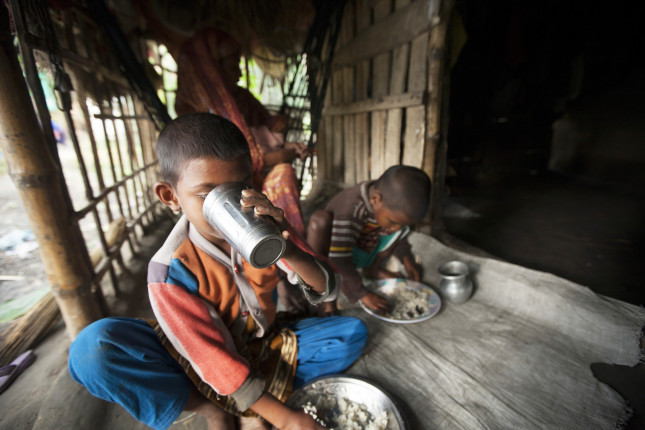
›This year, “we went from 815 million people food insecure to 821 million—for the third year in a row increasing,” said Ambassador Ertharin Cousin, referencing the latest State of Food Insecurity and Nutrition Report in a recent Smart Women, Smart Power conversation held at the Center for Strategic and International Studies. Ambassador Cousin served as executive director of the World Food Program between 2012 and 2017, and before that, she served as executive vice president and chief operating officer of America’s Second Harvest, now known as Feeding America.
Showing posts from category gender.
 “Almost everyone of reproductive age—about 4.3 billion people—will not have access to at least one essential or reproductive health intervention over the course of their lives,” said Patricia Da Silva, Associate Director, International Planned Parenthood Federation United Nations Liaison Office. She spoke at a