

-
Smart Power: Leveraging the Women, Peace, and Security Agenda
›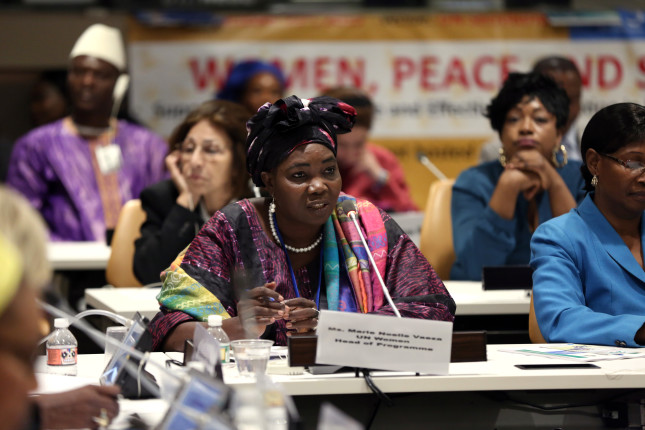
“Without women and empowering women, there will be no peace,” said Dr. Valerie Hudson, Distinguished Professor and George H.W. Bush Chair at Texas A&M University. Hudson spoke at an event by the United States Institute of Peace (USIP) and the United States Department of Defense (DoD) in collaboration with the United States Civil Society Working Group on Women, Peace, and Security (U.S. CSWG). The event focused on how the United States can leverage the United Nation’s Women, Peace, and Security (WPS) agenda to advance gender equality and promote peace worldwide.
-
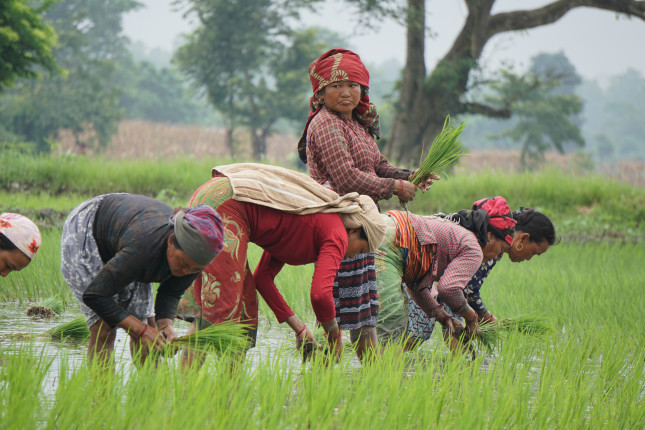
Embracing Risk: Lessons Learned from Integrating Climate Adaptation and Biodiversity Conservation in Nepal
›
The Hariyo Ban Program is one of the best examples of a sustainable development initiative that I’ve ever seen, said Nik Sekhran, Chief Conservation Officer of the World Wildlife Fund-US during a recent Wilson Center event on lessons learned from a decade of building resilience through participatory and inclusive natural resource management, climate adaptation, and biodiversity conservation in Nepal.
-
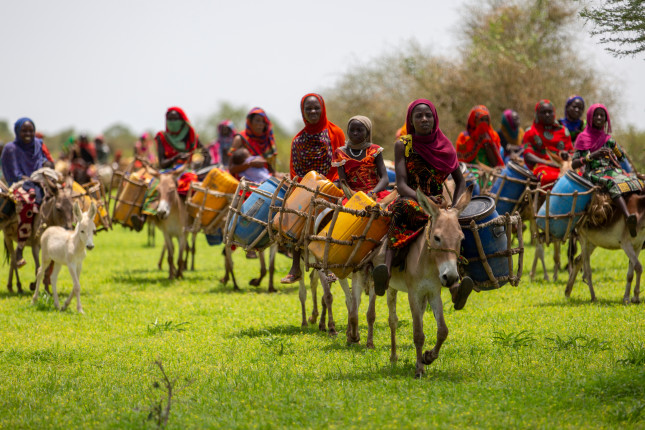
No Peace Without Water, No Water Without Peace, and Neither Without Women’s Empowerment
›Water deprivation is increasingly recognized as a political and security problem. Tensions resulting from the growing imbalance between global water demand and supply can escalate into conflict. Efforts to solve water-related conflicts and promote water cooperation for peace, termed “water diplomacy” or “hydro-diplomacy,” continue to be male-dominated. Several recent events and related publications are contributing to bridging this persistent gender gap.
-
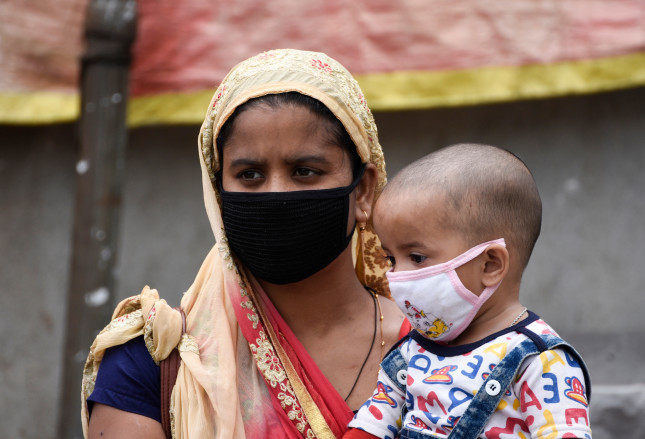
COVID-19 Causes Dire Disruptions in Maternal, Child, and Reproductive Health Services
›“The pandemic has undoubtedly resulted in more deaths and more illness – particularly for the most vulnerable women and children,” write the authors of a new United Nations International Children’s Emergency Fund (UNICEF) report examining the direct and indirect effects of the COVID-19 pandemic in South Asia. The report found that the disruptions in several essential health services due to the COVID-19 pandemic had a “substantial impact” on maternal and child mortality in the region.
-
Ensuring Essential Health Care for Mothers and Newborns During the Pandemic
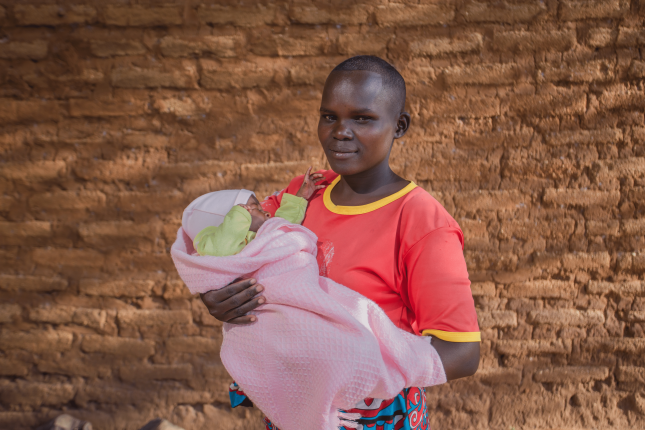
›Africa in Transition // Covid-19 // Dot-Mom // Guest Contributor // March 24, 2021 // By Koki AgarwalJoyce Makasi, a young woman in Kambiti village, Kitui County, Kenya, went into labor with her second child one afternoon in December 2020. She had just enough money to hire a motorbike to take her to nearby Waita health center. At the facility, the clinical officer and nurse told her she would need a cesarean delivery. It wouldn’t be her first cesarean, but COVID-19 presented new obstacles.
-
Overlapping Crises: Gender-Based Violence, Maternal Mental Health, and COVID-19
›According to the World Health Organization, 1 in 3 women in the world will experience physical or sexual violence during their lifetime. Intimate partner violence is the most common form of violence, impacting an estimated 641 million women worldwide. Lockdowns and disruptions in access to support services due to the COVID-19 pandemic have exacerbated the prevalence of gender-based violence (GBV).
-
COVID-19’s Pregnancy Paradox: Greater Disease Risk but Lower Vaccine Priority
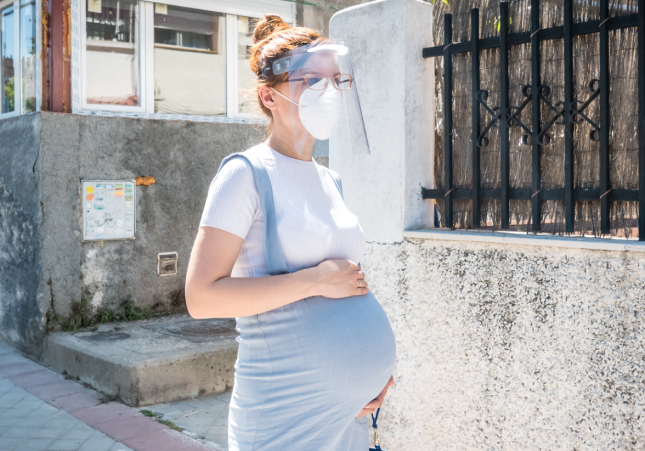
›“Greater attention to pregnant patients as a unique population at higher risk of SARS-CoV-2 infection sequelae, is critical to preventing maternal and neonatal morbidity and mortality,” write the authors of a study in the American Journal of Obstetrics and Gynecology examining morbidity and mortality among pregnant women with COVID-19 in Washington state. The study found “markedly higher” hospitalization and fatality rates among this group compared with similarly-aged non-pregnant individuals.
-
Reviving Culture Through First Nations Midwifery
›“It’s more than just clinical care. It’s cultural. It’s connection to country. It’s connection to land. It’s all of those things that are important to the woman and family, kinship, babies,” says Mel Briggs, a First Nations midwife in Australia, speaking about the importance of Aboriginal midwifery in this week’s Friday Podcast. Like her great-grandmother, Briggs followed the call to midwifery and finds joy in helping women and families “create really healthy, chunky, fat babies.”
Showing posts from category gender.
 “It’s more than just clinical care. It’s cultural. It’s connection to country. It’s connection to land. It’s all of those things that are important to the woman and family, kinship, babies,” says Mel Briggs, a First Nations midwife in Australia, speaking about

