-
Heteronormativity in the International Development Sector and Why We Need to Get Over It
›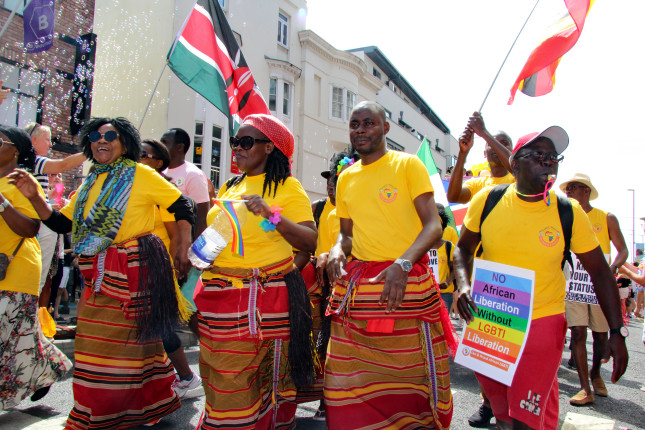
After enduring sexual violence in the DRC conflict, Steven Kighoma fled to Uganda where he became an activist with the NGO, Men of Hope Refugee Association, supporting male victims of conflict-related sexual violence. The experiences of male victims include rape, being forced to watch family members being raped, being beaten on the genitals, and enduring other kinds of abuse. Compounding their trauma, men who have suffered sexual violence in the region are often seen as not properly masculine and face homophobic violence and criminalization, regardless of their sexual orientation. In addition, they face exclusion from survivor support services which assume that only women face sexual violence.
The biggest challenge is “the ignorance of the government, the medical institutions, the community, not knowing a male victim of sexual violence exists,” says Kighoma. “There is a confusion when you talk about male victims of sexual violence. People confuse it with homosexuality.”
-
Beyond Pride: Ensuring Affirming, Respectful Sexual and Reproductive Healthcare for LGBTQ+ Communities
›
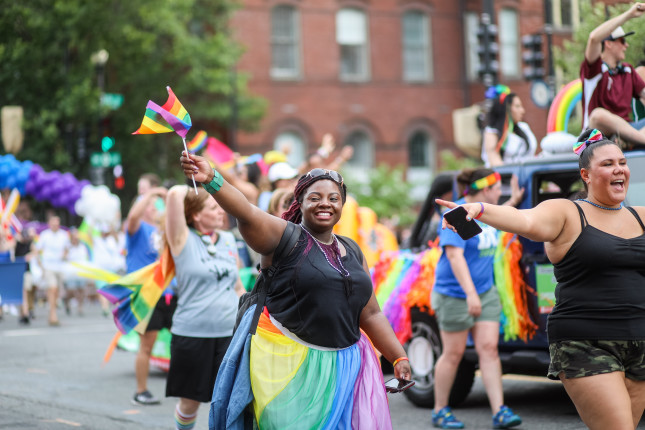
In June 1969, the Stonewall Uprising in Manhattan served as a critical tipping point for the Gay Liberation Movement in the United States. Each June, communities around the world celebrate Pride Month to honor this struggle and continue fighting for a more equal future. More than 50 years after Stonewall, Lesbian, Gay, Bisexual, Transgender, and Queer or Questioning (LGBTQ+)* people in the United States struggle to access culturally competent and respectful sexual and reproductive health care.
-
Vaccines, Family Planning, and Freedom from Violence: Achieving Equity for All Women and Children
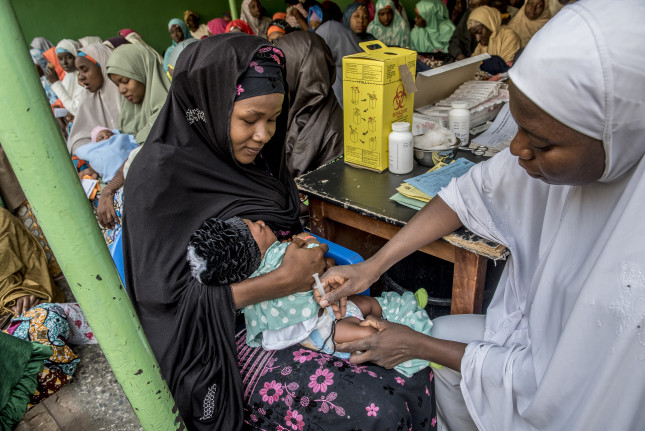
›“From birth, from almost from cradle to grave, girls have been seen as some sort of baggage,” said Shamsa Suleiman, Project Management Specialist for Gender and Youth at the U.S. Agency for International Development (USAID), Tanzania. Suleiman spoke at a recent Wilson Center event with USAID MOMENTUM Country and Global Leadership about balancing power dynamics to achieve equity for all women and children in maternal, child, and adolescent health, and family planning. Home should be a safe space, said Suleiman. But for many girls, it no longer is. To escape the poverty and pressures at home, including early marriage and other forms of gender-based violence, some girls leave, said Suleiman. “Girls are trying to escape the safe spaces.”
-
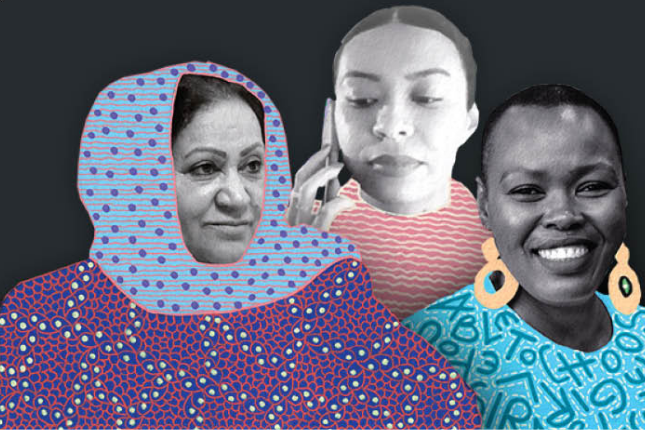
A Conversation with Dr. Nahid Toubia: Bodily Autonomy and the 2021 State of World Population Report
›Africa in Transition // Dot-Mom // Friday Podcasts // May 28, 2021 // By Hannah Chosid & Deekshita RamanarayananBodily autonomy is something almost innate in us, and yet also a Eureka moment for many people, says Dr. Nahid Toubia, Director for the Institute of Reproductive Health and Rights in Sudan on this week’s episode of Friday Podcasts. “Every human being really has the right to own their body, to own their decisions, to own their choices regarding their life, their futures, how they want to live, who they want to partner, whether they want to have children or not, what kind of families they want to have,” she says. “So, all of these choices are all wrapped up in this concept of body autonomy.” -
State of the World’s Midwifery Report 2021: Follow the Data, Invest in Midwives
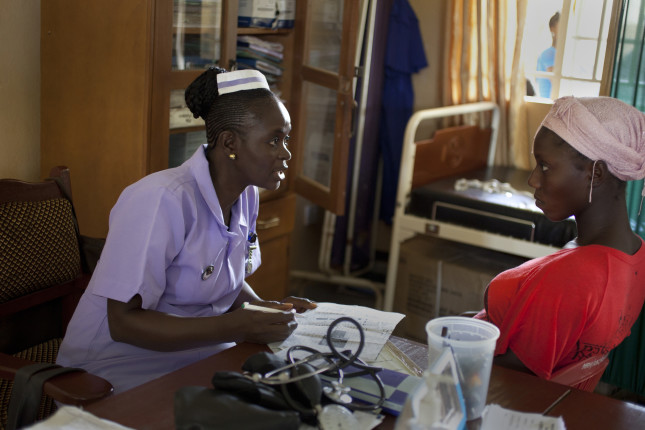
›“Every day in every part of the world, midwives save the lives of women and babies and promote the health and well-being of entire communities,” writes UNFPA Executive Director Dr. Natalia Kanem in honor of International Day of the Midwife. “They deserve our respect and gratitude, but that is not enough. Midwives deserve greater investment in their capabilities, and workplaces that empower them and fully acknowledge their skills and contributions.” Investment in midwifery could save millions of lives per year – an estimated 4.3 million annually by 2035.
-
My Body, My Voice, My Choice: Launching UNFPA’s 2021 State of World Population Report
›“As we’re talking, the bodily autonomy of millions of women and girls around the world is still denied,” said Klaus Simoni Pedersen, Acting Director of the Division of Communications and Strategic Partnerships for the United Nations Population Fund (UNFPA) at the recent U.S. launch event of the 2021 UNFPA State of the World Population report, hosted by the Wilson Center and UNFPA. The report, My Body is My Own: Claiming the Right to Autonomy and Self-Determination, examines the global status of women and girls as reflected in their agency and decision-making power.
-
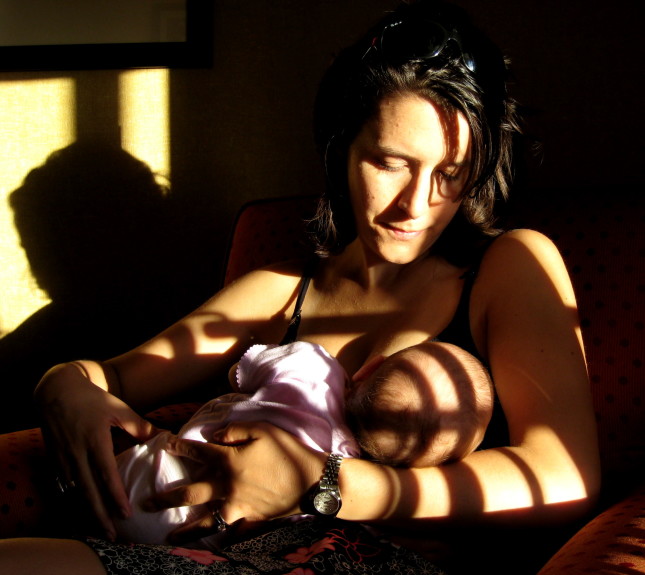
How We Birth Babies Makes It Hard to Breastfeed
›Breastfeeding may seem natural. Yet many women find it hard to get off to a good start with breastfeeding. Sharp decreases in breastfeeding rates around the world reflect this continuing challenge. While most women still choose to breastfeed, many ultimately feel they have no other choice than to stop breastfeeding earlier than anticipated. In the UK, 80 percent of mothers surveyed said they stopped breastfeeding before they wanted to. Many women describe shattered expectations, feelings of deep sadness, guilt, and anger from their breastfeeding experience.
-
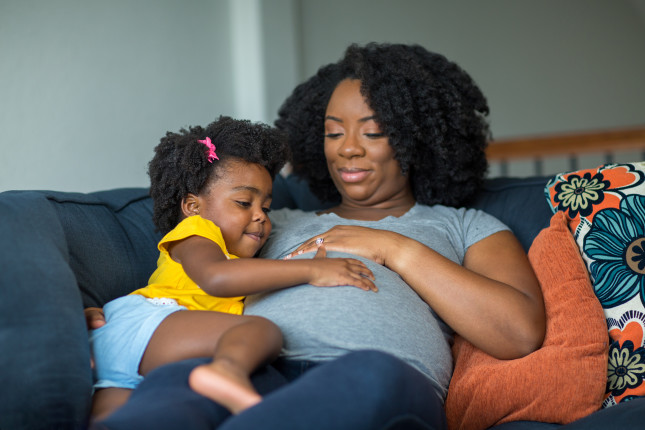
Black Maternal Health Week 2021 Achieves Historic White House Recognition
›“This week is Black Maternal Health Week, and make no mistake, Black women in our country are facing a maternal health crisis. Black women are two to three times more likely to die in connection with childbirth than other women. We know the primary reasons why—systemic racial inequities and implicit bias,” said Vice President Kamala Harris at a White House Roundtable she hosted with Ambassador Susan Rice in honor of Black Maternal Health Week. The event was the first event of its kind at the White House—Black women who have experienced loss and complications during pregnancy, childbirth, and postpartum were invited to share their experiences and their work in Black maternal health advocacy and research.
Showing posts from category gender.