-
It’s Not Ok: How Data from Nigeria Reveals the Role of Addressing Community Attitudes to End Violence Against Women
›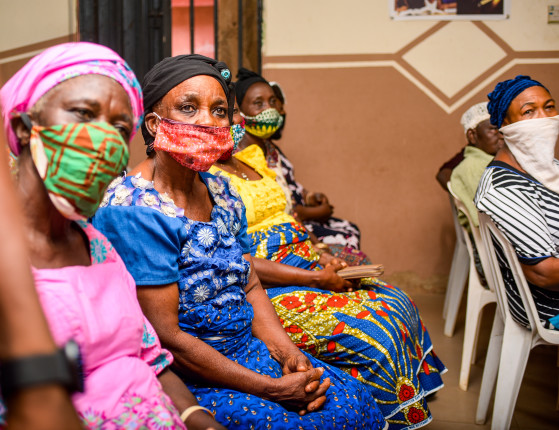
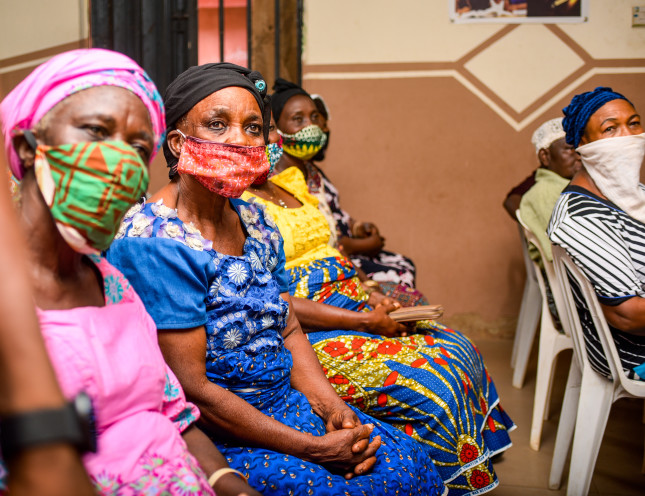
Globally, one third of women (736 million) have experienced physical and/or sexual violence, oftentimes when they were still children. Domestic violence and violence against women (VAW) have increased during the COVID-19 pandemic.
-
Break the Bias: Breaking Barriers to Women’s Global Health Leadership
›
We need to ensure that diversity is shaping and influencing global health decision-making and this is what we mean when we call for gender transformative leaders, said Dr. Roopa Dhatt, Executive Director of Women in Global Health, at an International Women’s Day event hosted by Women in Global Health to launch the first-ever book on women’s leadership in global health. “We’re calling for diverse leadership with intersectionality looking at transforming power and really making sure we’re going to the root drivers of inequities and driving systems change,” said Dr. Dhatt. Some 28 authors and 11 interviewees from 17 countries across 6 regions came together to write this rallying call to redress gender inequity in health leadership. Women and Global Health Leadership: Power and Transformation explores barriers and facilitators to women’s global health leadership; showcases the personal, professional, and political journeys of women leaders across global health sectors including government, academia, and civil society; and offers pragmatic solutions to increasing women’s representation at all levels of leadership, said Dr. Rosemary Morgan, Associate Scientist at the Johns Hopkins Bloomberg School of Public Health.
-
Raising Momentum for Integrating Respectful Maternity Care in Humanitarian Settings
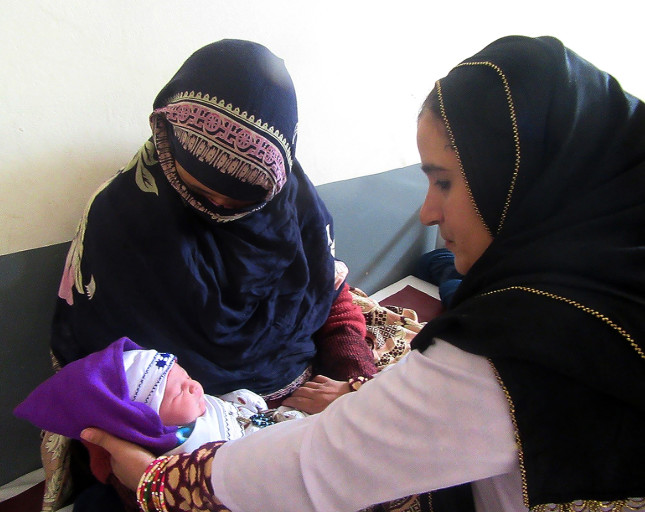
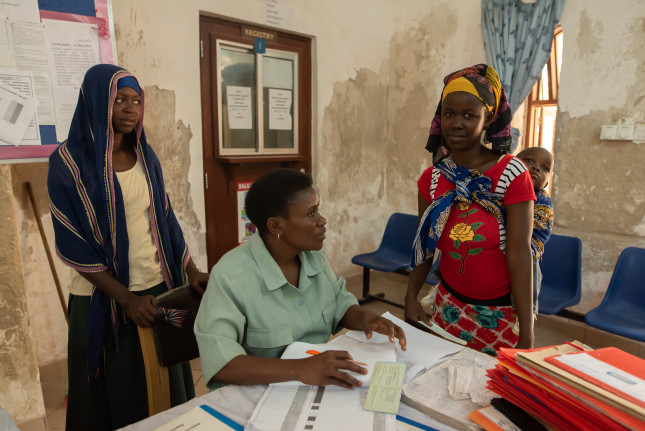
›Greater than one third of all women experience mistreatment during facility-based childbirth. Mistreatment, particularly in humanitarian settings, may include verbal or physical abuse, poor patient-provider rapport, a lack of information about maternal and newborn health (MNH) services for both pregnant women and providers, lack of privacy within facilities, challenges with receiving informed consent from women for medical procedures due to language and cultural barriers, and denied or delayed care. Such mistreatment can stem from historical tensions between populations seeking care and health workers (both foreign and local) as well as systemic mistreatment of providers who are burned out and possibly carry their own biases. Evidence shows that some women delay seeking care, or avoid care entirely because of social fears stemming from negative stigma or negative perceptions of their situation.
-
How Women’s Leadership Has Uniquely Shaped the Environmental Movement
›At first glance Greta Thunberg, a Swedish teenager, seems a very unlikely candidate to become arguably the world’s best known environmental activist. Yet despite her youth and lack of advanced degrees or political authority, she has inspired millions of people to join in the effort to combat climate change. Certainly Thunberg is unique in her global reach, but even a cursory history of women’s environmental leadership reveals countless women operating far outside the bounds of conventional government, yet making a meaningful impact.
-
The Lasting Effects of the COVID-19 Pandemic on Women’s Work, Health, and Safety (New Report)
›While the COVID-19 pandemic has affected the lives of many around the world, its effects on women have been particularly devastating. Even before the pandemic, women are highly affected by violence. Since the pandemic, rates of gender-based violence have risen, while uptake of critical health services have decreased. Women, especially low-income women, women of color, and migrant women, are also more likely to work in jobs that are underpaid, undervalued, and unprotected, and they comprise the majority of the frontline or “essential” workforce, which includes grocery and food retail workers, health care workers, and care workers.
-
No Progress Without Quality: Why Quality of Care Matters
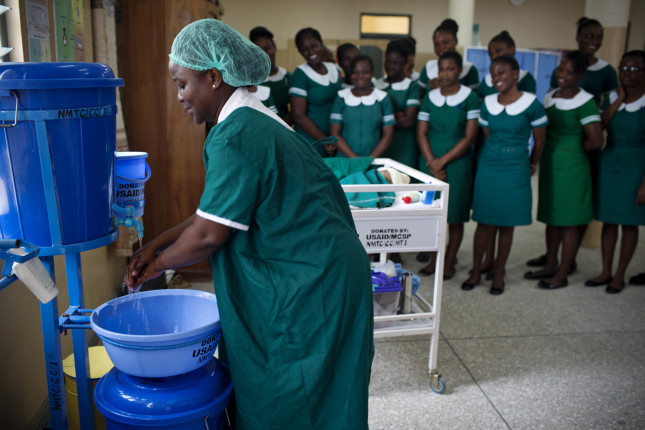
›Evidence shows that in low- and middle-income countries, the expansion of health coverage or access to care has not always reduced overall mortality, said Dr. Patricia Jodrey, Child Health Team Lead in the Office of Maternal and Child Health and Nutrition at the U.S. Agency for International Development (USAID). “However, the analysis also showed that when countries have progressed in improving the quality of their health systems, the survival rate tends to improve,” she said.
-
Youthful Demographic Conditions Could Push the Sahel to an “Afghanistan Moment”
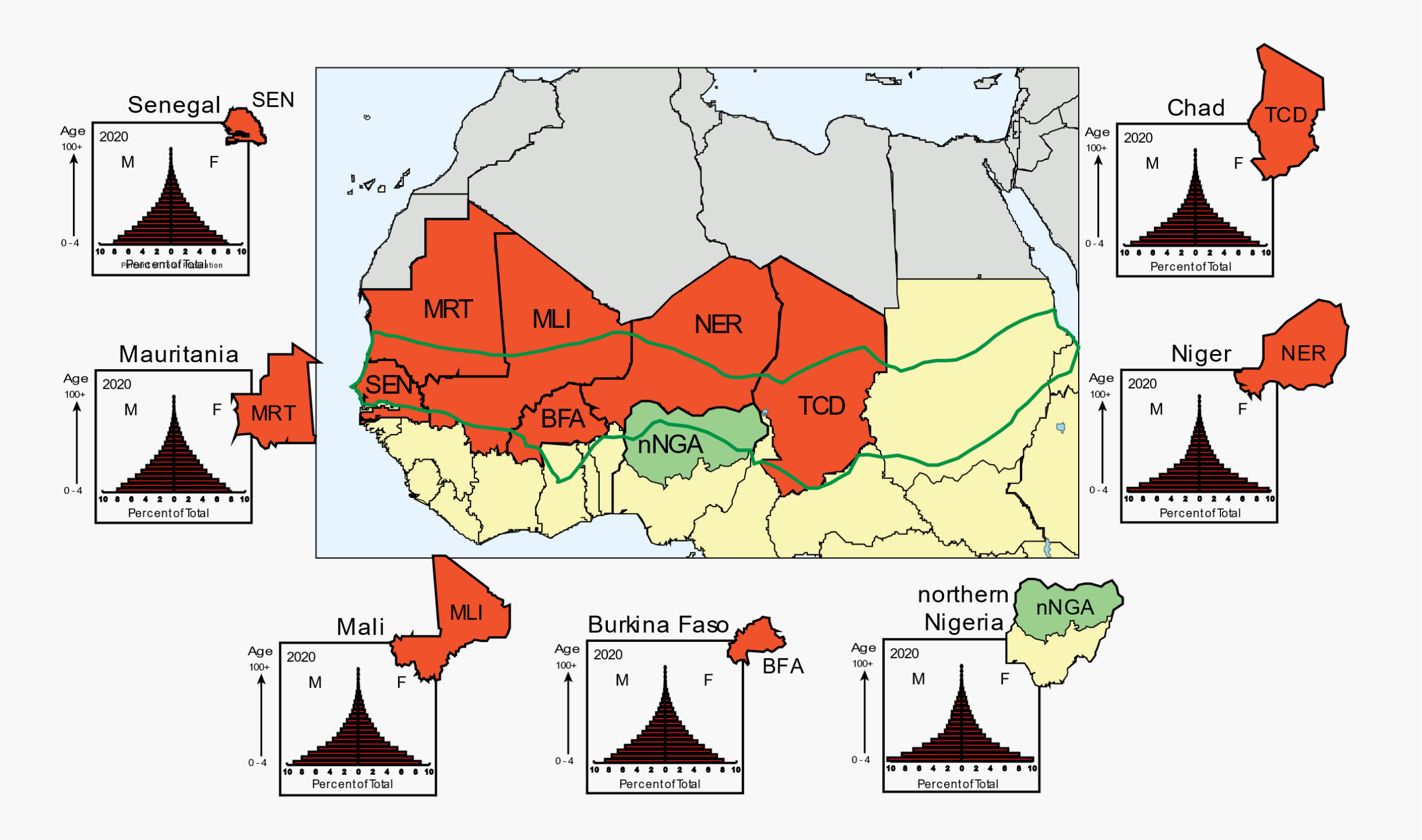
›Africa in Transition // Guest Contributor // February 8, 2022 // By Richard Cincotta & Stephen SmithCet essai a été mis à jour avec une traduction française, disponible après la version anglaise, ci-dessous. The countries of the Western Sahel find themselves in the tightening grip of a set of mutually reinforcing crises. These include deepening seasonal food insecurity and surges of food-aid dependency, widening income inequalities, widespread childhood stunting, low levels of education attainment and pervasive unemployment, as well as acute political instability and a rapidly growing Islamist-led insurgency that has already displaced some 2.5 million people across the region. In our recent report, What Future for the Western Sahel? The Region’s Demography and Its Implications by 2045, (published by the Atlantic Council’s Scowcroft Center for Strategy and Security), we argue that, unless the Sahelian states focus on reversing the underlying conditions that sustain high fertility—the cause of a persistently youthful and rapidly growing population—they will likely not be able to resolve these crises in the foreseeable future.
-
Integrating Leadership Skills in Cervical Cancer Prevention Efforts
›With a high burden of cervical cancer in Tanzania, we are advocating for the government’s parliament to prioritize cervical cancer prevention in its annual budget, said Dr. Safina Yuma, a Reproductive Cancer Coordinator at the Ministry of Health, Tanzania, at a recent event hosted by TogetHER for Health on cervical cancer leadership in recognition of cervical cancer awareness month. At least 270,000 women die globally from cervical cancer each year and in Tanzania, it is a leading cause of death, taking the lives of approximately 4,200 women annually. However, cervical cancer is 90 percent preventable with appropriate prevention strategies such as human papillomavirus (HPV) vaccinations and screenings. Expert leaders from NJIA, a leadership development program for practitioners working in cervical cancer research and prevention, discussed strategies for improving collaboration and leadership within the medical profession to reduce avoidable deaths.
Showing posts from category gender.