-
8 Billion and Counting: Rethinking Rhetoric on Population and Choice
›
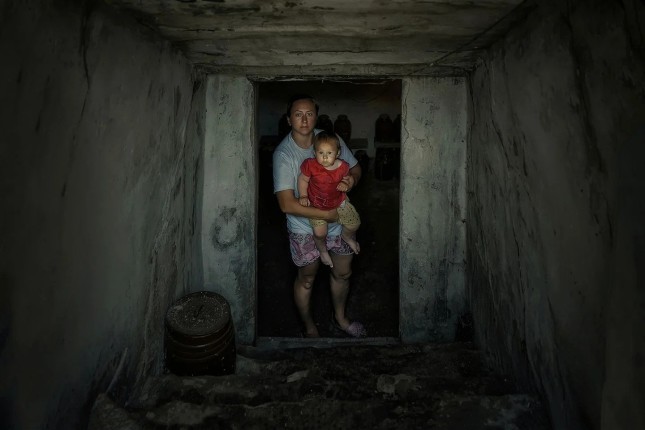
The United Nations Population Fund (UNFPA) 2023 State of the World Population (SWOP) Report offers a chance to reflect on what’s at stake in debates over global population. “The question is not whether the human population is too large or too small. The question is whether everyone can exercise their fundamental human right to choose the number and spacing of their children,” said Sarah Craven, Chief of the Washington Office of UNFPA at the virtual D.C. launch of the report at the Wilson Center on April 26, 2023.
-
Gender Equality and Health Equity Through Foreign Policy: A Progress Report
›
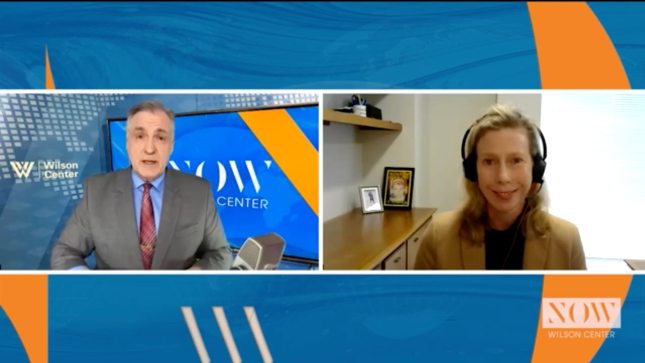
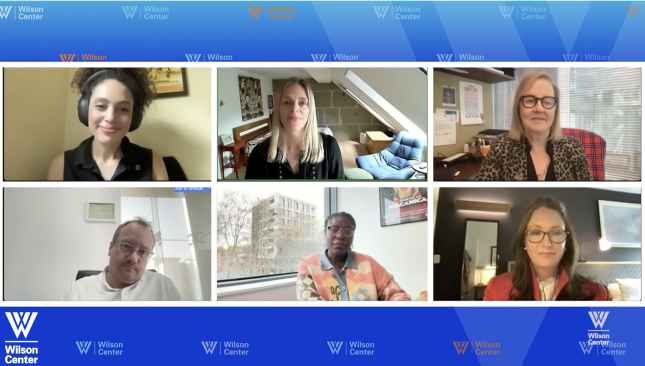
In this edition of Wilson Center NOW, Gender Equality and Health Equity Through Foreign Policy: A Progress Report, John Milewski, Moderator of the Wilson Center NOW series, interviews Valerie Percival, Wilson Center Fellow and Associate Professor at the Norman Paterson School of International Affairs (NPSIA) at Carleton University and a Commissioner with the Lancet-SIGHT Commission on Peace, Justice, and Gender Equality for Healthy Societies. Percival and Milewski discuss the role of gender equality and health equity in achieving social and political progress, and the importance of these topics in conversations about foreign policy. Percival also explains her project at the Wilson Center, titled “Promoting Gender Equality and Health Equity through Foreign Policy: Panacea or Fool’s Game?”
-
Sustaining PEPFAR’s Success through Integration, Equity, and Inclusion
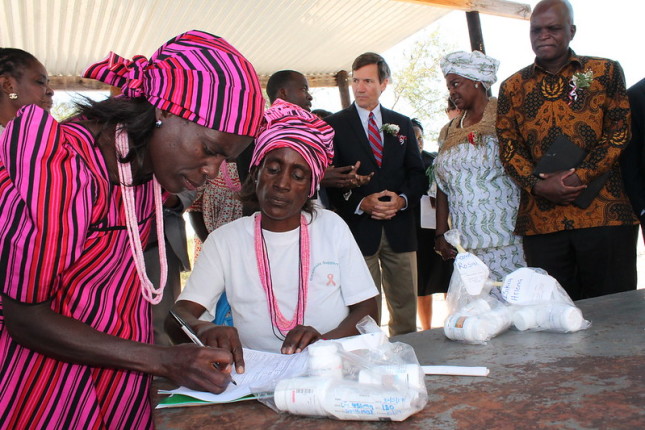
›It has been two decades since President George W. Bush launched the U.S. President’s Emergency Plan for AIDS Relief – or PEPFAR, and a recent Wilson Center event to celebrate the anniversary demonstrated that its impact as one of the most successful global public health programs is indisputable. Since its inception, PEPFAR has invested more than $100 billion in the global fight against HIV and AIDS, resulting in more than 25 million lives saved and millions of new infections prevented.
-
Healthy Women, Healthy Economies: Translating Evidence to Impact
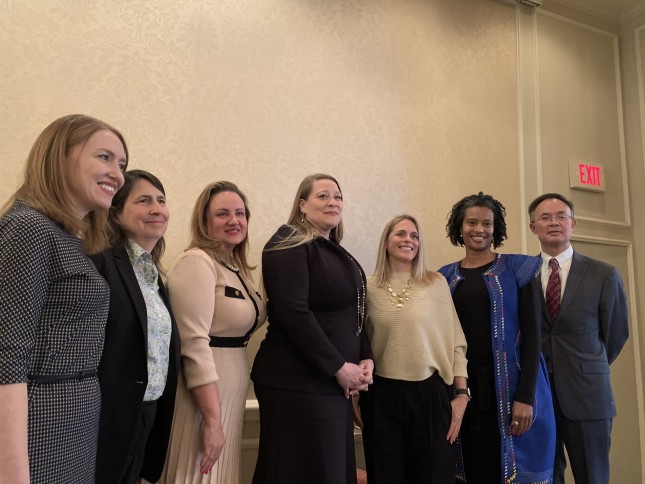
›“Women’s economic participation promotes economic growth and security. It’s good for the women involved. It’s good for the girls who dream of following in their footsteps,” said Ambassador Mark Green, President and CEO of the Wilson Center at a recent Women’s History Month private event in Washington, DC hosted by the Wilson Center and EMD Serono, the healthcare business of Merck KGaA, Darmstadt, Germany.
-
Women’s Leadership: Efforts to Close the Gender Gap
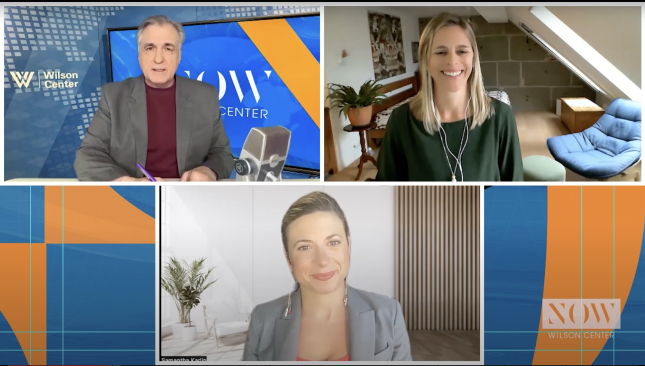
›In this Women’s History Month edition of Wilson Center NOW, Women’s Leadership: Efforts to Close the Gender Gap, John Milewski, Moderator of the Wilson Center NOW series, interviews Sarah Barnes, Project Director for the Wilson Center’s Maternal Health Initiative, and Samantha Karlin, Founder and CEO of Empower Global, a gender consulting firm that works with organizations to help them better recruit, retain, and advance women. They discuss feminist leadership, women in the think tank space, and the work remaining to achieve gender equality. The 2023 Women’s History Month theme is Women Who Tell Our Stories.
-
Pushing Back the Pushback: Addressing the Complexities of Gender and Migration
›“We must unite our efforts to push back the pushback,” said Katrín Jakobsdóttir, Prime Minister of Iceland, at a recent side event during the 67th Session of the Commission on the Status of Women (CSW67). Humanitarian crises and forced displacement increase pushback against women’s and girl’s human rights and safety. Jakobsdóttir called for global efforts to recognize this inequity and to fight for gender equality in humanitarian responses.
-
Women and Art at a Time of War: Acknowledging Ukrainian Women
›“War is central to history. History has been written (and painted) by men. This exhibition provides a platform for women narrators of history and also examines gendered perspectives of war,” said art curator Monika Fabijanska, referring to the exhibit “Women at War” she recently put together, which was on display at the Stanford in Washington Art Gallery from January through March 2023.
-
Connecting the Dots: Gender Equality and Sexual and Reproductive Health and Rights
›In today’s episode of New Security Broadcast, Sarah Barnes, Project Director for the Wilson Center’s Maternal Health Initiative met with Bridget Kelly, Director of Research for Sexual and Reproductive Health and Rights at Population Institute to discuss the launch of Population Institute’s new report: Connecting the Dots, Sexual and Reproductive Health and Rights as Prerequisites for Global Gender Equality and Empowerment. On the episode Kelly, lead author of the Connecting the Dots report, shares findings from the report on the importance of the Sexual and Reproductive Health and Rights (SRHR) agenda, how SRHR leads to gender equality, the power of and need for increased U.S. investment, and policy recommendations to fully realize the SRHR agenda and improve gender equality and empowerment.
Showing posts from category gender.