-
Climate Change and National Security in an Age of Austerity: The 2014 Quadrennial Defense Review
›March 7, 2014 // By Kate Diamond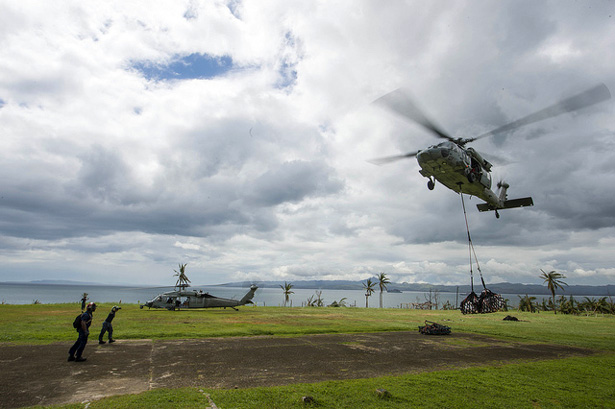
Earlier this week, the Department of Defense released its first Quadrennial Defense Review since fiscal cliffs, shutdowns, and spending cuts hit the federal government. Not surprisingly, “austerity” shows up in almost every chapter of the report. What shows up even more? Climate change. For the second QDR in a row, the Pentagon has called out climate change as a “significant challenge for the United States and the world at large.”
-
USAID Administrator Rajiv Shah on Public-Private Partnerships and the Future of Aid
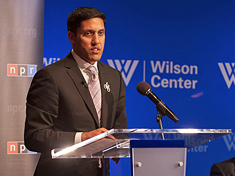
› What’s the best way for America’s chief development agency to help other countries reach prosperity and democracy? Increasingly, it’s creating partnerships not just with other governments, but with the private sector too, says USAID Administrator Rajiv Shah in this week’s podcast.
 -
Geoff Dabelko, Ensia
The Periphery Isn’t Peripheral: Barriers to Cross-Sectoral Collaboration in Development
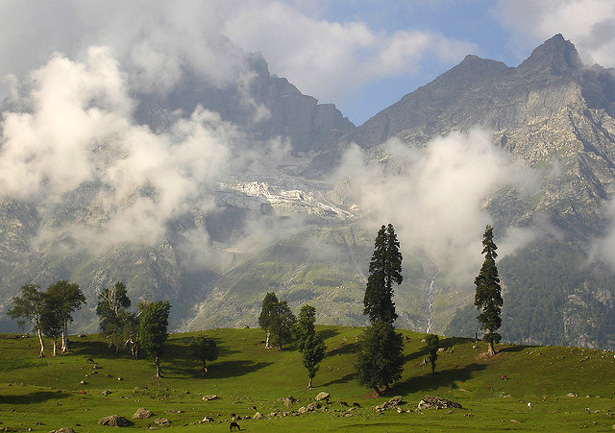
›February 14, 2014 // By Wilson Center StaffWhat do melting Himalayan glaciers have to do with food security in Cambodia? Not much, thought an aid practitioner trying to boost food security along the lower reaches of the Mekong River – until she heard a colleague working on the Tibetan Plateau describe the downstream implications of climate change in the Himalayas. Everything she was working on, she suddenly realized, could be literally washed away.
-
Gates Letter: Laissez Faire Approach to Population and Development Unacceptable
›Family planning, which saw a relative decline in financial support from the international development community over the last two decades, is now back in vogue, thanks in large part to the Bill and Melinda Gates Foundation. After spearheading the London Summit on Family Planning in 2012 alongside many governments, the foundation’s recently released 2014 Annual Letter sets out to dispel three “myths” about development, one of which is “saving lives leads to overpopulation.”
-
Ready for Change: Notre Dame Launches the Global Adaptation Index
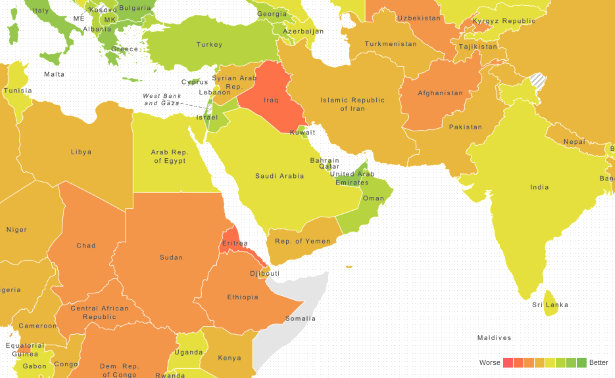
›In 2008 and 2010, the price of many basic food stuffs soared, sparking a series of riots and food crises around the world. People in the poorest countries – those living with the smallest margins – were most affected, while the economies of developed nations were able to absorb the price changes. According to Notre Dame’s Global Adaptation Index, how climate change will impact different countries depends not only on their vulnerability to physical changes, but also their ability to absorb these impacts. [Video Below]
-
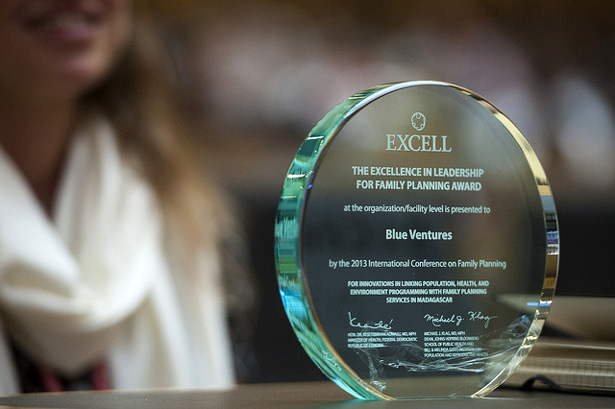
Population-Environment Program Wins Recognition: Blue Ventures Honored at International Conference on Family Planning
›This year’s International Conference on Family Planning (ICFP) happened to coincide with the UN’s annual climate change summit. Perhaps it’s apt then that one of the organizations recognized for excellence is helping to bridge the gap between the environment and family planning communities.
-
Harvesting Peace: Food Security, Conflict, and Cooperation (Report Launch)
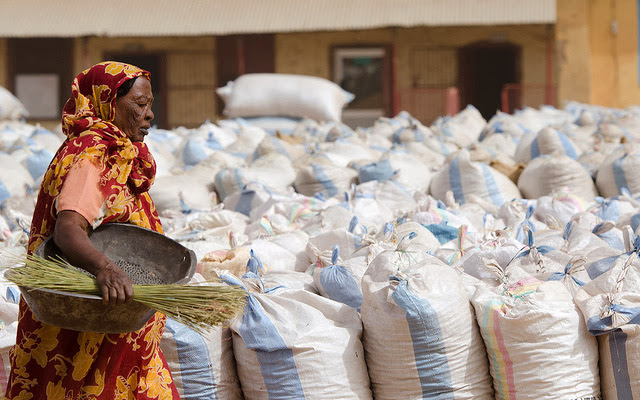
›In the wake of food riots in more than 30 countries in 2008 and the Arab Spring, in which food prices played an instigating role, the relationship between food security and instability demands a closer examination. “There is a lot of data on conflict, and a lot of data on food security, but it’s rarely brought together,” said Emmy Simmons, the author of the latest edition of ECSP Report. [Video Below]
-
Religion and Reproductive Rights: Looking For Common Ground
›More than 84 percent of the 2010 world population – 5.8 billion people – consider themselves religiously affiliated, according to a recent study. Religious leaders can therefore have significant influence across a broad range of social, economic, and political issues. Perhaps nowhere is that influence felt more strongly than in debates about reproductive health and rights, and perhaps nowhere are the consequences so large than in poor and marginalized communities.
Showing posts from category funding.
 What’s the best way for America’s chief development agency to help other countries reach prosperity and democracy? Increasingly, it’s creating partnerships not just with other governments, but with the private sector too, says USAID Administrator