-
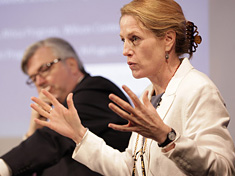
Alice Thomas: Climate Change Effects and Responses Profoundly Undermine Human Rights
›
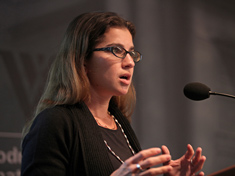
After Typhoon Haiyan ripped across the Philippines in 2014 leveling nearly every building in sight, 4 million people – mostly poor and from coastal regions – were displaced. In response, the government set up “no build” zones in vulnerable areas and worked to move people to new land. But many of the newly relocated people discovered this land came with no access to water, electricity, or other services.
-
Measuring the SDGs: Investments in Mapping, Geospatial Data Collection Critical to Success
›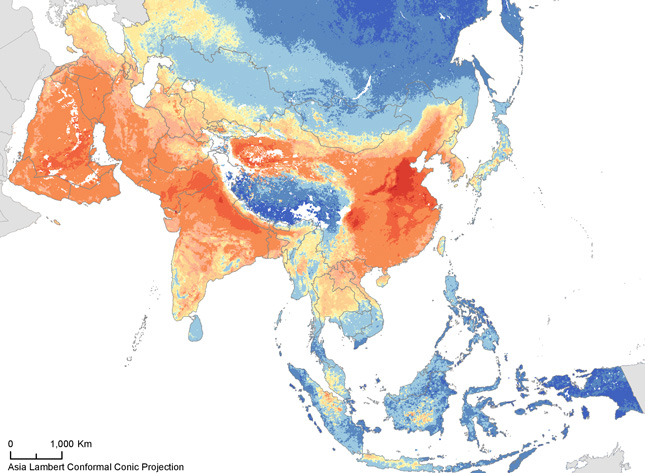
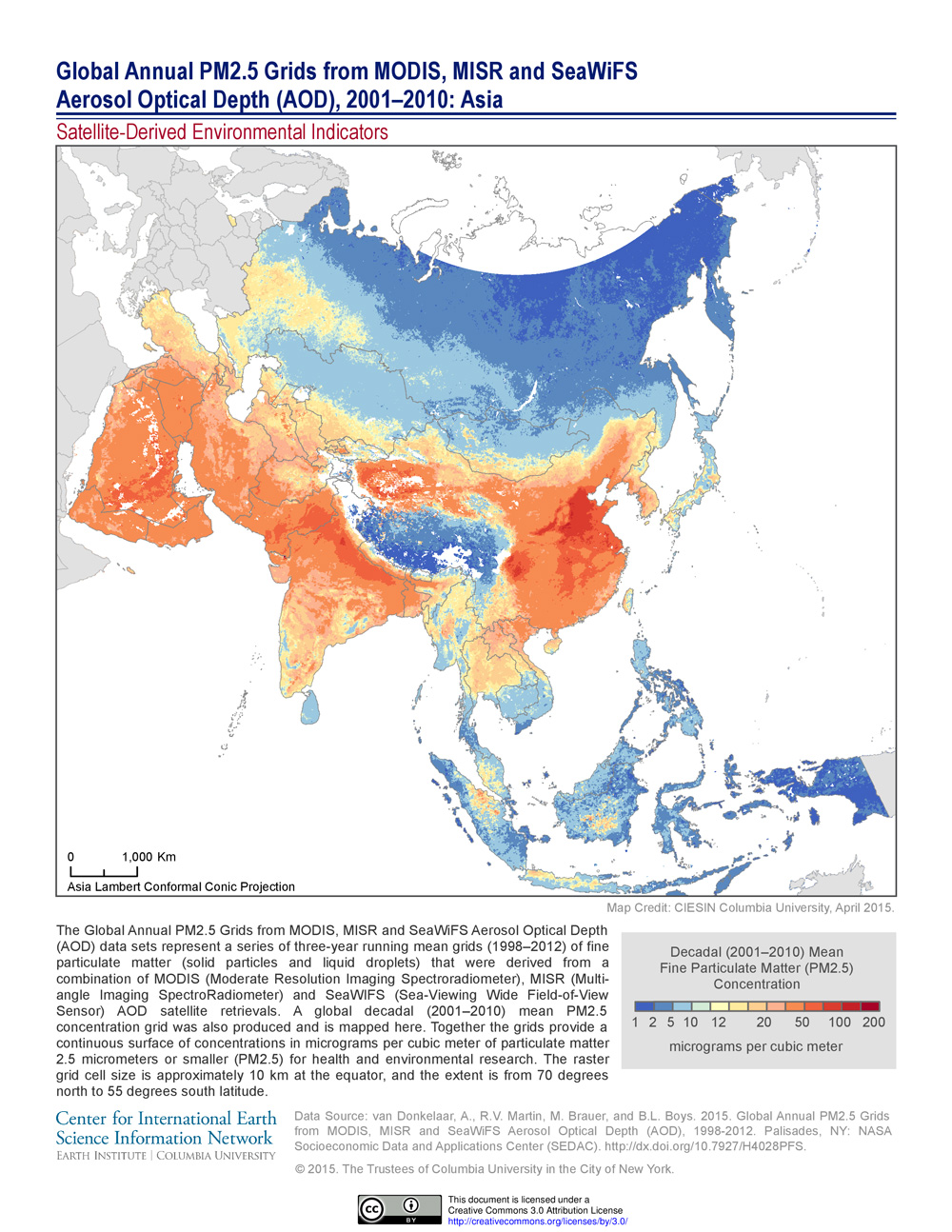
To ensure no one is left behind by the next generation of global development goals, a comprehensive mix of robust data is needed to measure progress and guide investments. A recent report coordinated by the Sustainable Development Solutions Network estimates the world will need to spend roughly $1 billion a year to sustain and enhance the statistical systems supporting and evaluating progress towards the Sustainable Development Goals (SDGs), the successors to the Millennium Development Goals expected to guide the development agenda for the next 15 years.
-
Bridging the Gap: Family Planning, Rights, and Climate-Compatible Development
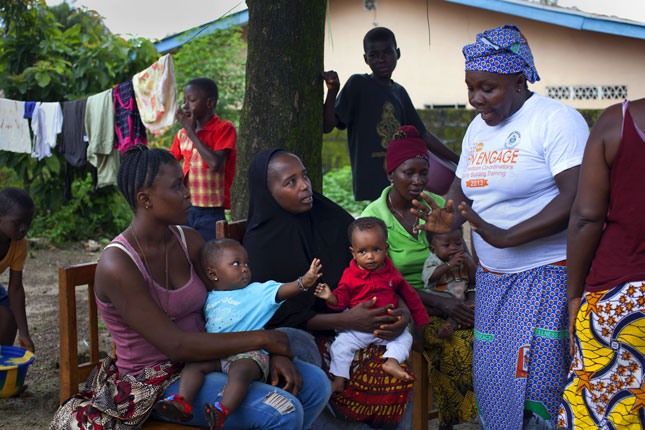
›“There is no magic bullet or solution to resolving climate change quickly,” said the Population Reference Bureau’s Jason Bremner at the Wilson Center on October 28. “Our next 100 years will be far different from the last 100 or the last 1000…and it has become clear that nations will have to pursue many strategies in order to reduce emissions, build resilience, and adapt.” [Video Below]
-
Next Stop, Lima: Building Momentum for a New Global Agreement on Climate Change
›December 1, 2014 // By Kathleen MogelgaardThis fall, a series of significant events signaled what many see as a shift toward meaningful collective action on climate change.
-
A Reset for International Development? UN Debates What to Include in Sustainable Development Goals
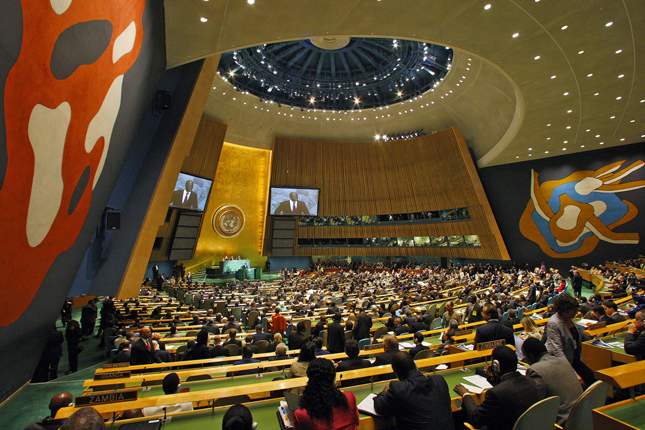
›The 69th UN General Assembly was “an absolutely extraordinary opportunity” to rethink global development, said Genevieve Maricle, a senior policy advisor to the U.S. Ambassador to the UN Social and Economic Council (ECOSOC) who participated in the summit. [Video Below]
-
Caroline Savitzky: Surge of Interest in Population, Health, and Environment Development in Madagascar
›
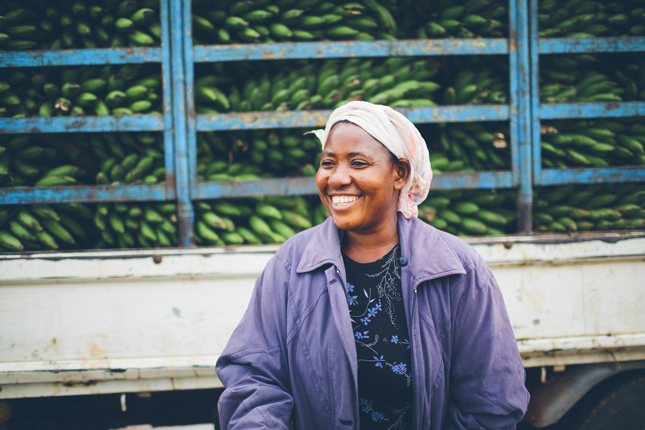
The past year brought not only an end to political instability in Madagascar but a new surge of interest in integrated population, health, and environment (PHE) development, says Caroline Savitzky of Blue Ventures in this week’s podcast.
-
Africa’s Trifecta: Food Security, Resilience, and Demographics at the U.S.-Africa Leaders Summit
›August 5, 2014 // By Roger-Mark De Souza“You can’t build a peaceful world on an empty stomach,” Secretary of State John Kerry said yesterday at a high-level working session on resilience and food security, quoting Norman Borlaug, the father of last century’s “Green Revolution.”
-
Suzanne Ehlers: Global Development Agenda Needs Re-Framing to Focus on Rights of Young People
›
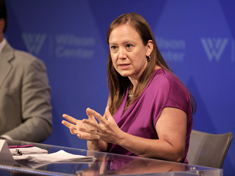
Successfully incorporating the rights of young people and women into whatever development agenda succeeds the Millennium Development Goals next year hinges not only on the scope of new goals, but how those goals are worded, says Suzanne Ehlers in this week’s podcast.
Showing posts from category funding.