-
ECSP Weekly Watch | November 13 – 17
›
A window into what we are reading at the Wilson Center’s Environmental Change and Security Program
A Fifth National Climate Assessment
The US Global Change Research Program launched the fifth National Climate Assessment (NCA) on Monday, November 13. Published once every five years, the NCA is the United States’ leading report on climate change impacts, risks, and responses.
-
Relief, Recovery, and Peace: Iris Ferguson on COP28’s New Theme
› In a new mini-series previewing the upcoming UN Climate Summit (COP28)’s new focus on relief, recovery, & peace, ECSP Program Director Lauren Risi spoke with Iris Ferguson, the US Department of Defense’s Deputy Assistant Secretary of Defense for Arctic and Global Resilience.
Deputy Assistant Secretary Ferguson spoke about why climate security has become a crucial element in DOD planning, as well as why the department will have a highly visible presence at COP28. She also shared the story of her own path to leadership at the Pentagon – as well as why her position includes both global resilience and the Arctic.
-
ECSP Weekly Watch | October 23 – 27
›A window into what we are reading at the Wilson Center’s Environmental Change and Security Program
DRC Mining Project Displaces a Local Community
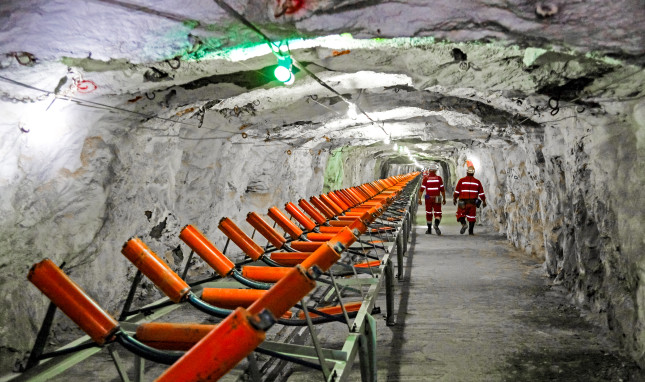
Kolwezi is the “cobalt capital of the world.” But residents of this city in the Democratic Republic of Congo are being compelled to relocate under questionable circumstances in order to make room for a new mine sponsored by the Chinese mining company COMMUS.
-
The State of Play for Critical Mineral Policies: A Berlin Climate Security Conference Roundtable
›The global transition to low-carbon energy is spurring new momentum to produce and secure the mineral inputs necessary for renewable technologies. Yet meeting demand may prove difficult. From electric cars to wind turbines, essential renewable energy technologies often require more minerals than fossil fuel-powered infrastructure. The International Energy Agency (IEA) projects that efforts to meet the goals of the Paris Agreement could lead to a fourfold increase in mineral demand by 2040.
-
Chinese Rail Export’s Environmental Dilemma: Economic Gains or Green?
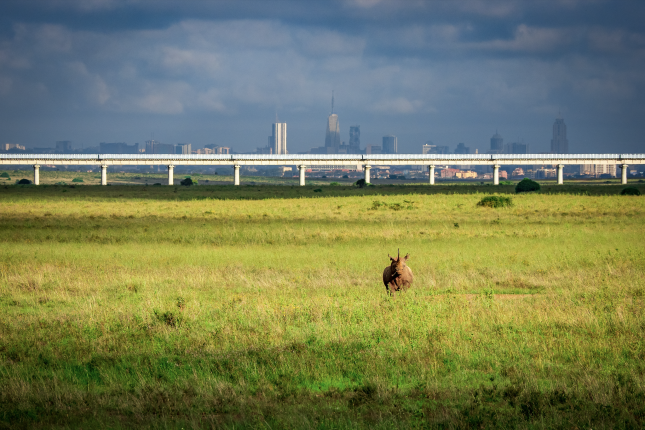
›China Environment Forum // Guest Contributor // Vulnerable Deltas // October 19, 2023 // By Keren ZhuMany developing countries today face the dual challenges of development and decarbonization, racing against climate change that makes the latter increasingly urgent. This dilemma brings China’s railway investments in Africa under the spotlight. Can stakeholders of these megaprojects achieve the goal of boosting host countries’ economies while mitigating the socio-environmental risks of these ventures? -
From Floods To Disaster: A Conflict- And Climate-Sensitive Recovery Pathway For Libya
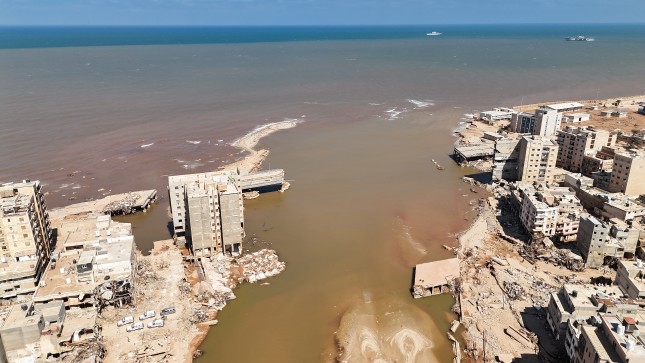
›More than 11,300 people are confirmed to have died in the floods that struck eastern Libya on September 11, 2023, far surpassing many estimates of the death toll in the country’s 2011 civil war. Thousands are still missing. Flooding has washed away approximately 25% of the city of Derna, and damage to roads and bridges is curtailing emergency service access. A rapid attribution study estimated that the extreme rain was at least a “1-in-300 year event.” This is far beyond previously recorded incidents, yet such incidents are now up to 50 times more likely—and up to 50% more intense—when compared to a 1.2°C cooler climate.
-
China’s Belt and Road Initiative: Powering a Low or High Carbon Future?
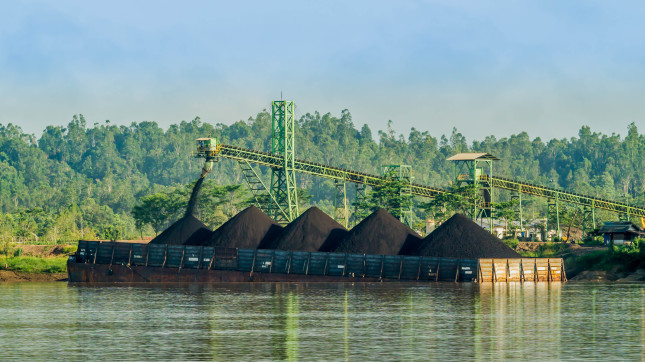
›China Environment Forum // Guest Contributor // Vulnerable Deltas // September 28, 2023 // By Chuyu LiuChina’s Belt and Road Initiative (BRI) can significantly affect the country’s domestic and overseas energy transition and decarbonization agenda. Electricity projects in China’s BRI investments, contrary to popular impressions of being part of a monolithic “project of the century,” have divergent implications for the host country’s shift away from coal-based power plants. -
Report Launch: The Lancet Commission on peaceful societies through health equity and gender equality
›“The message of the report we are issuing today is clear: health equity and gender equality have a unique and powerful ability to contribute to peace,” said Finland’s former President Tarja Halonen at the recent launch event at the Wilson Center for a new report by the Lancet Commission on peaceful societies through health equity and gender quality.
Showing posts from category foreign policy.
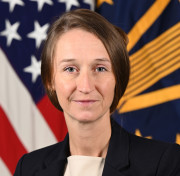 In a new mini-series previewing the upcoming UN Climate Summit (COP28)’s new focus on relief, recovery, & peace, ECSP Program Director Lauren Risi spoke with Iris Ferguson, the US Department of Defense’s Deputy Assistant Secretary of Defense for Arctic and Global Resilience.