-
The Arc | Dr. Robert McLeman on Climate Migration, Equity, and Policy
›
In today’s episode of The Arc, ECSP Director Lauren Risi interviews Dr. Robert McLeman, a professor of Geography and Environmental Studies at Wilfrid Laurier University in Toronto. Dr. McLeman unpacks how climate change interacts with social, economic, and political conditions in ways that lead some communities more vulnerable to climate-related displacement than others. He also shares insights into how we can better promote safe, dignified, and just migration in the context of climate change and how justice and equity considerations are being incorporated into climate migration policy.
-
Ecological Threat Report 2023: Same Hotspots, More Risk
›
Future projections of social disturbance due to climate change and ecological pressures provide little optimism for peace in conflict-affected areas over the coming decades. Yet, can we identify current hotspots and future areas of conflict risk? The fourth Ecological Threat Report (ETR), produced by the Institute for Economics & Peace, attempts to do so by taking on the monumental task of evaluating the relationship between ecological threats and peace.
The new report documents a world of growing ecological threats and declining social resilience in the states and territories most vulnerable to a changing climate. And by assessing ecological threats, societal resilience, and levels of peacefulness at the state, territorial, subnational, and city levels, the report also finds a strong correlation between ecological threats and levels of peacefulness.
-
The Arc | Joanita Babirye on Women’s Climate Leadership in Uganda
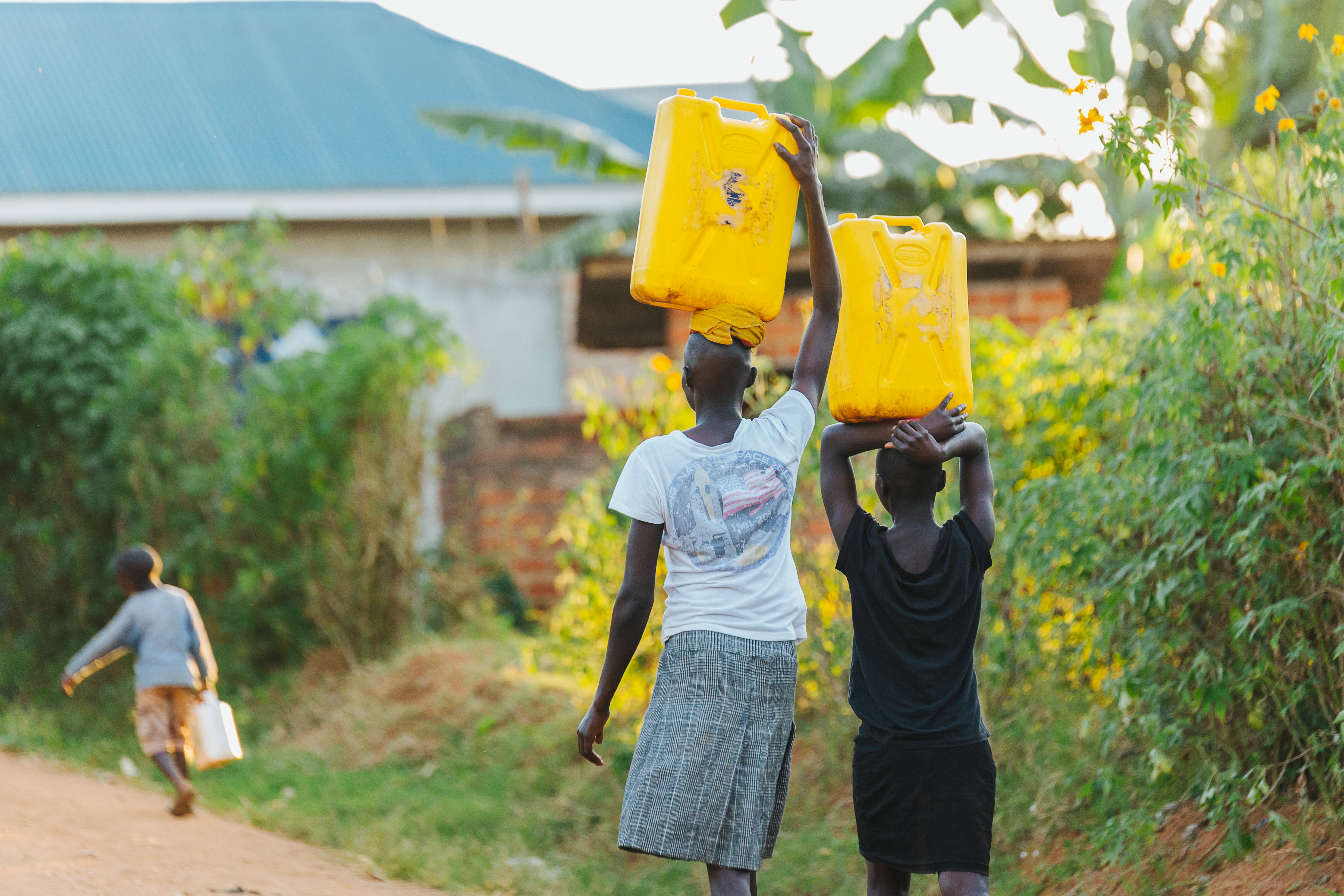
› In today’s episode of The Arc, ECSP’s Claire Doyle and Angus Soderberg interview Joanita Babirye, Co-founder of Girls for Climate Action. Joanita shares her firsthand experiences with climate stressors and the broader impact of climate change on women in Uganda. But it’s also a story of hope: She tells us about her work training over 300 women in climate action and facilitating climate demonstration hubs, underscoring the role that women and girls can play as catalysts for change in the face of the climate crisis.
-
ECSP Weekly Watch | November 13 – 17
›A window into what we are reading at the Wilson Center’s Environmental Change and Security Program
A Fifth National Climate Assessment
The US Global Change Research Program launched the fifth National Climate Assessment (NCA) on Monday, November 13. Published once every five years, the NCA is the United States’ leading report on climate change impacts, risks, and responses.
-
Relief, Recovery, and Peace: David Nicholson on COP28’s New Theme
›In a new mini-series previewing the upcoming UN Climate Summit (COP28)’s new focus on relief, recovery, & peace, ECSP Program Director Lauren Risi spoke with David Nicholson, Director of the Environment, Energy and Climate Change Technical Support Unit at Mercy Corps.Nicholson described his role in ensuring that climate change is at the center of Mercy Corps’ wide-ranging and successful global humanitarian aid programs in 42 countries—and the importance of having local staff to make interventions a true partnership. He also talks about climate finance, and his hopes that COP28’s theme of “relief, recovery and peace” will advance the view that peacemaking is essential to adaptation efforts.
-
Relief, Recovery, and Peace: Iris Ferguson on COP28’s New Theme
›In a new mini-series previewing the upcoming UN Climate Summit (COP28)’s new focus on relief, recovery, & peace, ECSP Program Director Lauren Risi spoke with Iris Ferguson, the US Department of Defense’s Deputy Assistant Secretary of Defense for Arctic and Global Resilience.Deputy Assistant Secretary Ferguson spoke about why climate security has become a crucial element in DOD planning, as well as why the department will have a highly visible presence at COP28. She also shared the story of her own path to leadership at the Pentagon – as well as why her position includes both global resilience and the Arctic.
-
The Next Feminist Wave: Heat
›The summer of 2023 featured some of the hottest days ever recorded. Feminists should be alarmed.
Climate change may not seem like a feminist issue on its face. A warming planet poses a cross-cutting and common threat. But the perception that climate impacts result in uniform harm produces partial solutions that neglect the world’s most vulnerable populations. This alone makes environmental justice a gender justice issue as well.
-
Introducing “The Arc”
› On today’s episode of New Security Broadcast, ECSP is launching a new series called The Arc, focused on the connections between climate change, equity, justice, and identity. We will cover a wide range of topics – from food and water systems to the energy transition, migration, and climate finance – and talk with practitioners, advocates, professors, and community leaders to discover where these topics intersect with issues related to climate impacts and justice.
Showing posts from category flooding.
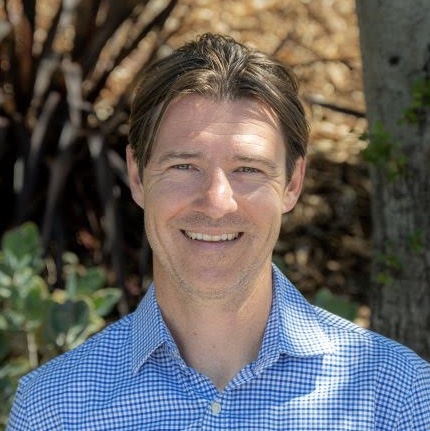 In a new mini-series previewing the upcoming UN Climate Summit (COP28)’s new focus on relief, recovery, & peace, ECSP Program Director Lauren Risi spoke with David Nicholson, Director of the Environment, Energy and Climate Change Technical Support Unit at Mercy Corps.
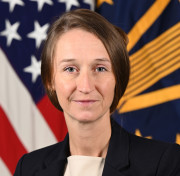 In a new mini-series previewing the upcoming UN Climate Summit (COP28)’s new focus on relief, recovery, & peace, ECSP Program Director Lauren Risi spoke with Iris Ferguson, the US Department of Defense’s Deputy Assistant Secretary of Defense for Arctic and Global Resilience.