-
Rachel Stern, Thomson Reuters Foundation
Despite Rising Concern, Climate Change Often Put on Back Burner in Conflict Zones
›October 23, 2015 // By Wilson Center Staff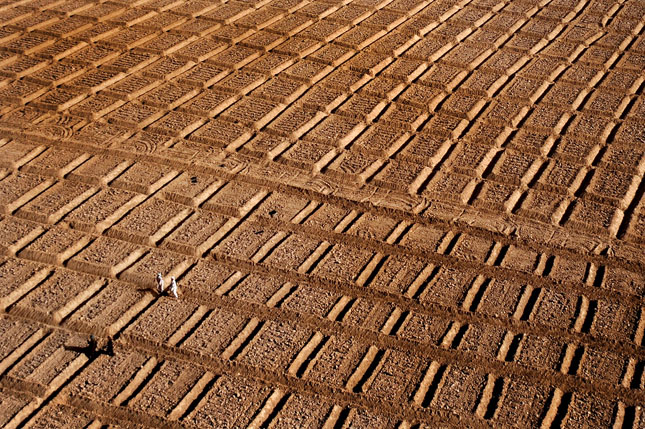
Barren barley and wheat fields stretch across the dry landscape of northern Afghanistan, the result of persistent drought and flash flooding that has left thousands of people facing food shortages and loss of work.
-
Growing Role of Armed Forces in Disaster Relief a Dangerous Trend for Latin America
›
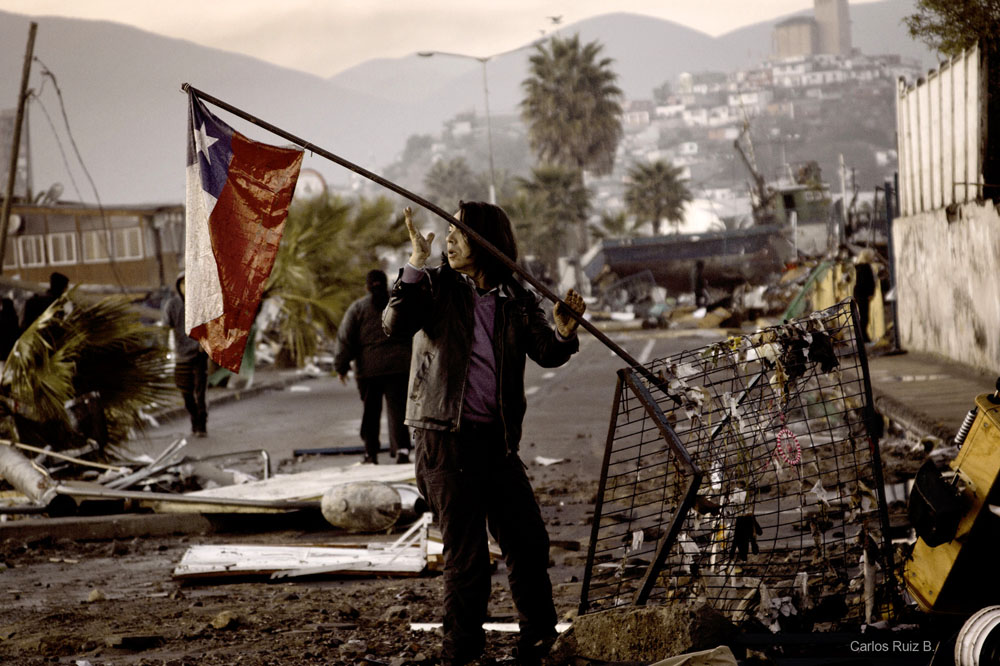
From earthquakes to floods, when natural disasters strike, the military is often called on to bolster civilian responses. Policymakers throughout Latin America in particular are increasingly relying on the armed forces for emergency assistance.
-
Climate Change Adaptation and Population Dynamics in Latin America and the Caribbean (Report)
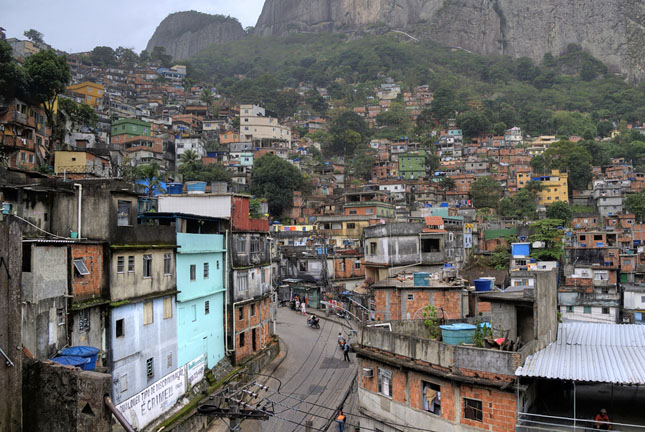
›Global climate trends indicate that our planet will continue warming into the next century, leading to more extreme climate conditions. The Latin America and Caribbean region is vulnerable to some of the most challenging aspects of climate change – sea-level rise, changes in precipitation, glacial melting, spreading of disease, and extreme weather events.
-
Sam Eaton, PRI’s The World
Human Traffickers Follow Floods in India, But Local Girls Are Fighting Back
›September 17, 2015 // By Wilson Center StaffThe Sundarbans – a collection of densely populated islands in India’s sprawling Ganges Delta – are so remote that the only way to get there is by boat. But human traffickers still manage to get in, and that’s left many families with missing daughters.
-
As Droughts, Floods, Die-Offs Proliferate, “Climate Trauma” a Growing Phenomenon
›September 9, 2015 // By Carley ChavaraAccording to recent polling, climate change is seen as the single most threatening international challenge around the world, and there’s evidence that all that worry is taking a psychological toll. Adding to droughts, floods, extreme weather, and die-offs, psychologists are observing higher levels of anxiety, depression, and post-traumatic stress disorder in certain areas and professions. Even people who do not actively stress about global warming or view it as a major threat may still suffer psychological trauma from its effects.
-
Jim Jarvie, SciDevNet
Urban Resilience to Climate Change in Asia Critical as Strong El Niño Looms
›September 7, 2015 // By Wilson Center StaffAn advisory released this August by the U.S. National Weather Service warned this year’s El Niño could be among the strongest ever recorded, lasting well into the first few months of 2016.
-
John Furlow on Better Coordination for Better Climate Adaptation
›“We [need to] stop treating ‘adaptation’ like a sector,” says John Furlow, climate change specialist at the U.S. Agency for International Development (USAID), in this week’s podcast, “but start treating it as a stress or a risk that undermines the development sectors, the environmental sectors, the social sectors that we care about.” -
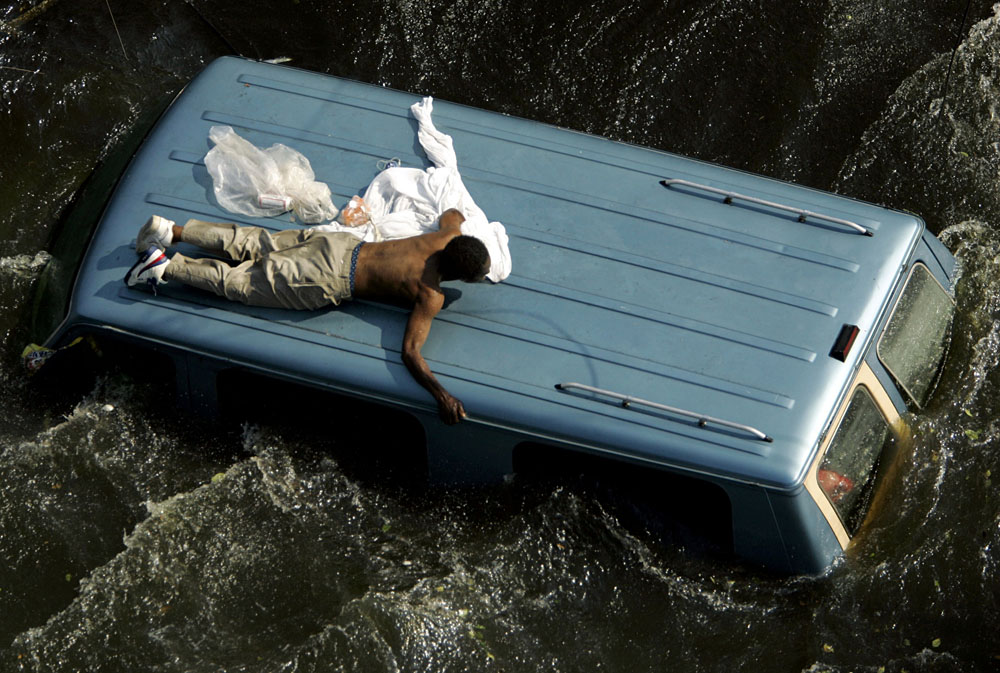
Lessons From Katrina: Can Media-Citizen Collaboration Help Cities Adapt to Climate Risks?
›Ten years ago this month one of the United States’ deadliest and most costly storms, Hurricane Katrina, struck the Gulf Coast. In Louisiana, the storied city of New Orleans was dealt a particularly devastating blow. Hundreds died and the city suffered extensive damage as 80 percent of its neighborhoods flooded, prompting an exodus it is still recovering from.
Showing posts from category flooding.
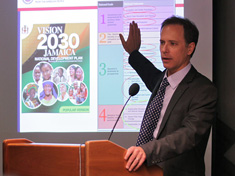 “We [need to] stop treating ‘adaptation’ like a sector,” says John Furlow, climate change specialist at the U.S. Agency for International Development (USAID), in this week’s podcast, “but start treating it as a stress or a risk that undermines the development sectors, the environmental sectors, the social sectors that we care about.”