• woodrow wilson center
  • ecsp

New Security Beat

Subscribe:
  • rss
  • mail-to
  • Who We Are
  • Topics
    • Population
    • Environment
    • Security
    • Health
    • Development
  • Columns
    • China Environment Forum
    • Choke Point
    • Dot-Mom
    • Friday Podcasts
    • Navigating the Poles
    • Reading Radar
  • Multimedia
    • Water Stories (Podcast Series)
    • Backdraft (Podcast Series)
    • Tracking the Energy Titans (Interactive)
  • Films
    • Water, Conflict, and Peacebuilding (Animated Short)
    • Paving the Way (Ethiopia)
    • Broken Landscape (India)
    • Scaling the Mountain (Nepal)
    • Healthy People, Healthy Environment (Tanzania)
  • Publications
  • Events
  • Contact Us

NewSecurityBeat

The blog of the Wilson Center's Environmental Change and Security Program
Showing posts from category flooding.
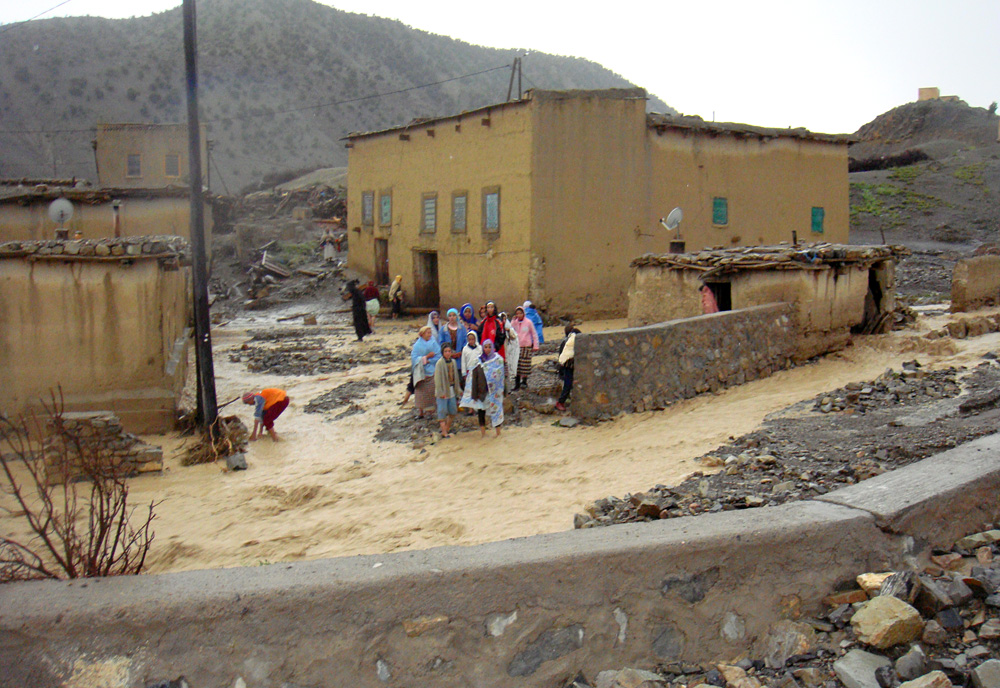
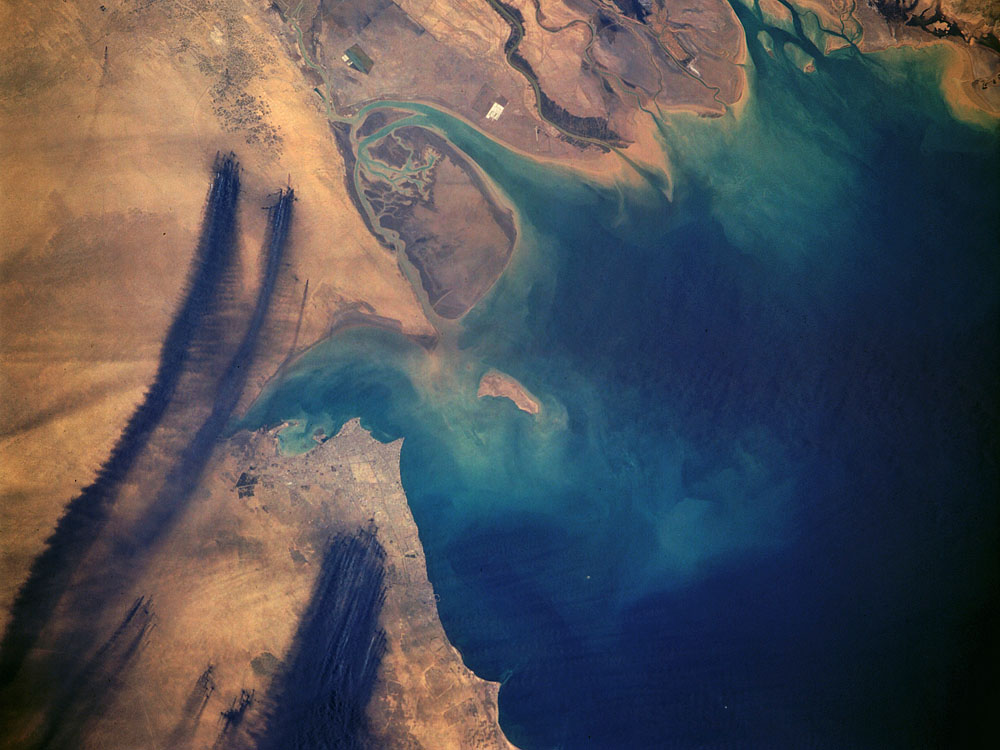
  • Earth Pushes Back: Era of Indifference Greets Droughts, Floods, Storms, Tsunamis

    ›
    Choke Point  //  November 10, 2014  //  By Keith Schneider
    Toby-Baotao-coal-1804

    The original version of this article appeared on Circle of Blue.

    There’s nothing demur about Mother Earth these days. She’s fuming and pushing back hard. Very hard.

    MORE
  • Peter Schwartzstein, National Geographic

    Amid Terror Attacks, Iraq Faces Water Crisis

    ›
    November 5, 2014  //  By Wilson Center Staff
    iraq tank

    The original version of this article, by Peter Schwartzstein, appeared on National Geographic.

    Viewed from afar, the two-mile-long Mosul Dam is an impressive sight on the flat, sunbaked northern plains.

    MORE
  • Pentagon Releases New Climate Roadmap, Plans for Constrained Training, Challenged Infrastructure, Expanding Missions

    ›
    October 13, 2014  //  By Schuyler Null
    Katrina

    A series of executive orders signed by President Obama since his first year in office requires all federal agencies to begin planning for climate change and produce an updated adaptation plan by May of this year. The Pentagon is a little late, but today they released their second-ever climate roadmap.

    MORE
  • High Poverty: Medicinal Plants Offer Way Forward for Nepal’s Mountain Communities

    ›
    Guest Contributor  //  September 29, 2014  //  By Andrew Taber & Meeta S. Pradhan
    Chepuawa Villge Sankhuwasa

    In a tiny village called Chepuwa in the Sankhuwasabha district of Nepal, high in the Himalayas and almost four days’ trek from the nearest road, Mikmar Bhote has been growing and selling medicinal and aromatic plants for five years.

    MORE
  • Opportunity Costs: Evidence Suggests Variability, Not Scarcity, Primary Driver of Water Conflict

    ›
    Guest Contributor  //  September 2, 2014  //  By Cullen Hendrix
    juba_water_point

    Nearly 1 billion people lack reliable access to clean drinking water today. A report by the Water Resources Group projects that by 2030 annual global freshwater needs will reach 6.9 trillion cubic meters – 64 percent more than the existing accessible, reliable, and sustainable supply. This forecast, while alarming, likely understates the magnitude of tomorrow’s water challenge, as it does not account for the impacts of climate change.

    MORE
  • What Can Iraq’s Fight Over the Mosul Dam Tell Us About Water Security?

    ›
    Guest Contributor  //  August 20, 2014  //  By Cameron Harrington & Schuyler Null
    Mosul_Dam

    The fight for control over “the most dangerous dam in the world” is raging.

    Since its capture by Islamic State (IS) militants on August 7 and subsequent attempts by Iraqi government and Kurdish forces to take it back, Iraq’s Mosul Dam has been one of the central components of the government’s surprising and rapid collapse in the country’s northern and western provinces. In fact, one might see the capture of the Mosul Dam as the moment IS ascended from a dangerous insurgent group to an existential threat to Iraq as a state.

    MORE
  • Somali Refugees Show How Conflict, Gender, Environmental Scarcity Become Entwined

    ›
    Guest Contributor  //  August 19, 2014  //  By Luisa Veronis
    somali_woman2

    Under international law, someone who flees their country because of conflict or persecution is a refugee, but someone who flees because of inability to meet their basic household needs is not. In the case of Somalia, it is increasingly difficult to make any meaningful distinction between the two.

    MORE
  • Ian Kraucunas on Bridging the Science-Politics Divide for Climate Change

    ›
    Friday Podcasts  //  August 15, 2014  //  By Moses Jackson
    ian_small

    “Climate change is not just a far-away thing that affects far-away people,” says Ian Kraucunas, deputy director of atmospheric sciences and global change at the Pacific Northwest National Laboratory in this week’s podcast. “It affects things people here in the U.S. care about – and, in fact, that includes national security.”

    MORE
Newer Posts   Older Posts
View full site

Join the Conversation

  • RSS
  • subscribe
  • facebook
  • G+
  • twitter
  • iTunes
  • podomatic
  • youtube
Tweets by NewSecurityBeat

Trending Stories

  • unfccclogo1
  • Pop at COP: Population and Family Planning at the UN Climate Negotiations

Featured Media

Backdraft Podcast

play Backdraft
Podcasts

More »

What You're Saying

  • Volunteers,At,The,Lagos,Food,Bank,Initiative,Outreach,To,Ikotun, Pan-African Response to COVID-19: New Forms of Environmental Peacebuilding Emerge
    Rashida Salifu: Great piece 👍🏾 Africa as a continent has suffered this unfortunate pandemic.But it has also...
  • A desert road near Kuqa An Unholy Trinity: Xinjiang’s Unhealthy Relationship With Coal, Water, and the Quest for Development
    Ismail: It is more historically accurate to refer to Xinjiang as East Turkistan.
  • shutterstock_1779654803 Leverage COVID-19 Data Collection Networks for Environmental Peacebuilding
    Carsten Pran: Thanks for reading! It will be interesting to see how society adapts to droves of new information in...

What We’re Reading

  • Rising rates of food instability in Latin America threaten women and Venezuelan migrants
  • Treetop sensors help Indonesia eavesdrop on forests to cut logging
  • 'Seat at the table': Women's land rights seen as key to climate fight
  • A Surprise in Africa: Air Pollution Falls as Economies Rise
  • Himalayan glacier disaster highlights climate change risks
More »
  • woodrow
  • ecsp
  • RSS Feed
  • YouTube
  • Twitter
  • Facebook
  • Home
  • Who We Are
  • Publications
  • Events
  • Wilson Center
  • Contact Us
  • Print Friendly Page

© Copyright 2007-2021. Environmental Change and Security Program.

Woodrow Wilson International Center for Scholars. All rights reserved.

Developed by Vico Rock Media

Environmental Change and Security Program

Woodrow Wilson International Center for Scholars

Ronald Reagan Building and International Trade Center

  • One Woodrow Wilson Plaza
  • 1300 Pennsylvania Ave., NW
  • Washington, DC 20004-3027

T 202-691-4000