-
Caribbean Governments Huddle to Discuss Climate Adaptation Plans
›As more climate change seems locked in – some estimates suggest a 1.5-degree Celsius (2.5 degree Fahrenheit) rise above pre-Industrial averages is guaranteed – more governments are allocating resources to adaptation. Caribbean communities that contribute very little to climate change are some of the most vulnerable, and representatives from many met in October 2016 in Grenada to share experiences and build technical capacity.
-
A Torrent of Water and Concrete Imperil Chennai’s IT Boom
›
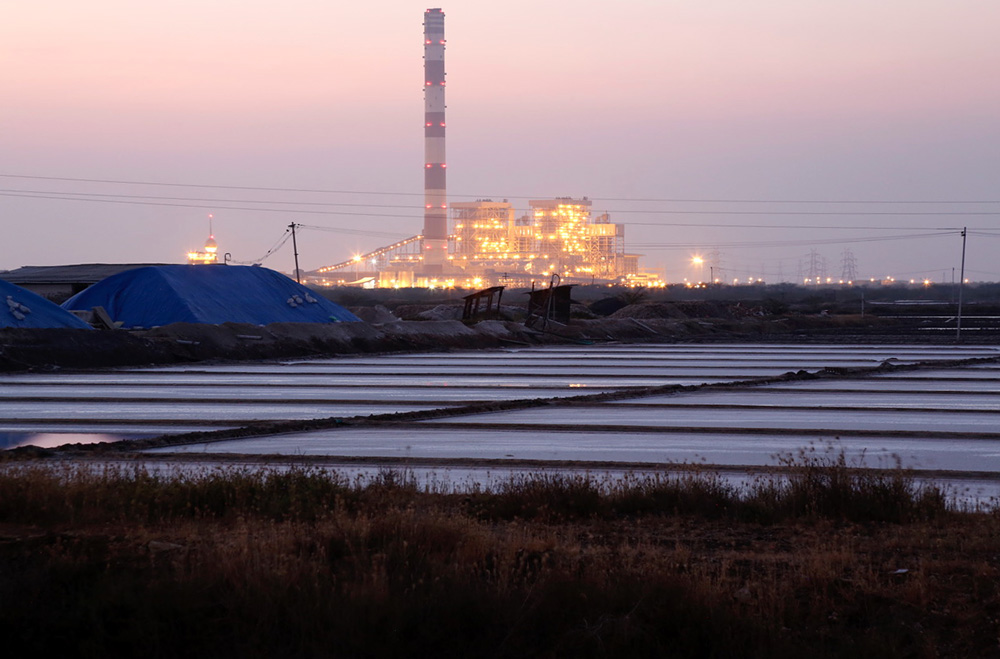
CHENNAI, India – Almost a decade ago, when the first of Chennai’s bleach-white IT office buildings replaced coconut groves along the Bay of Bengal south of the city center, leaders hailed the potential for a new wave of clean jobs. Nine years later, it is clear that planners did not fully anticipate the consequences.
-
A Better Model for Future Society, and Analyzing Communal Climate Conflict
› Forecasts of future climate conditions are fairly good, but forecasts of future socioeconomic conditions are another story. To get a sense of how climate change will impact society, many resort to simply layering future climate conditions on top of current socioeconomic conditions. That’s a mistake, write Wolfgang Lutz and Raya Muttarak in Nature Climate Change. “We see little value in the purely hypothetical exercise of assessing potential impacts of the future climate on a society that will not exist in the future.”
 -
Breaking Down Water Security to Build it Up
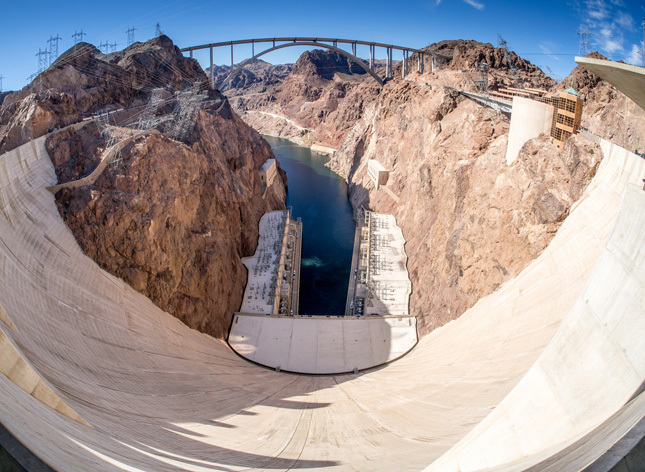
›Water security remains an ambiguous concept with an uncharted path to achievement. Water is an essential resource to our survival and livelihoods, yet most countries lack a clear strategy for how to protect and manage it. With increasing rates and sources of consumption, a growing population, and shifting frequency and intensity of rates of precipitation, continued inaction will have serious impacts on our national security, economy, and environment.
-
Advancing U.S. Prosperity and Security in a Thirsty World
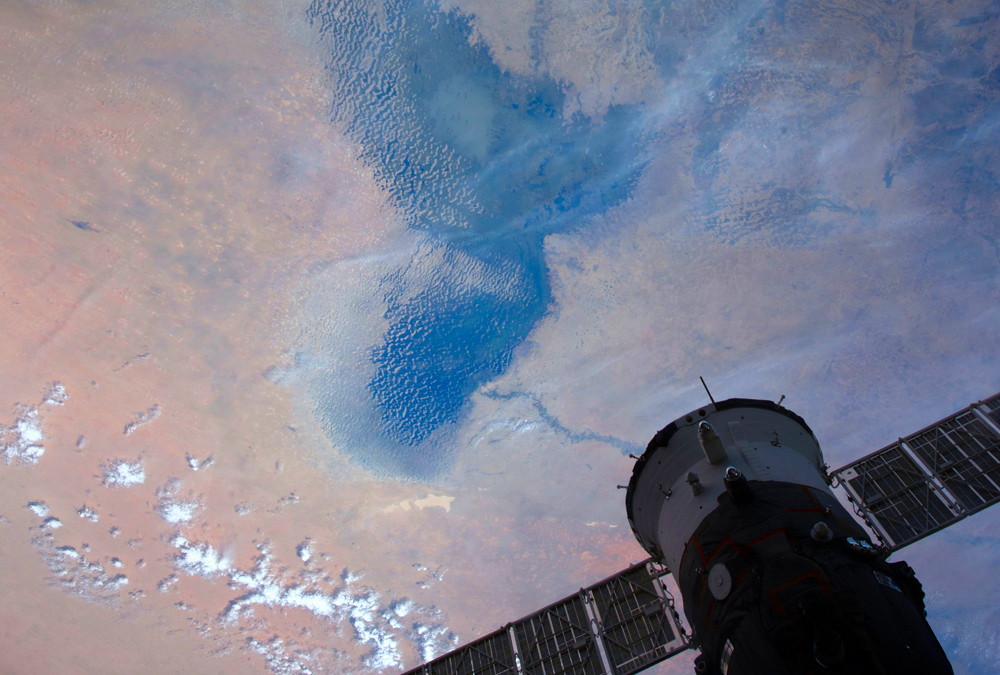
›The waters of Lake Chad sustain 70 million people in four countries. Beginning in the 1970s, the 25,000-square-kilometer lake began shrinking due to excessive drawdown for agriculture and mining. Now only 10 percent remains. The dwindling water supply devastated food production and fostered massive economic and political tensions. Many experts credit the worsening conditions for contributing to the rise of Boko Haram, an extremist group that has killed 20,000 people and forced 2.3 million more to flee.
-
Michael Kimmelman, The New York Times
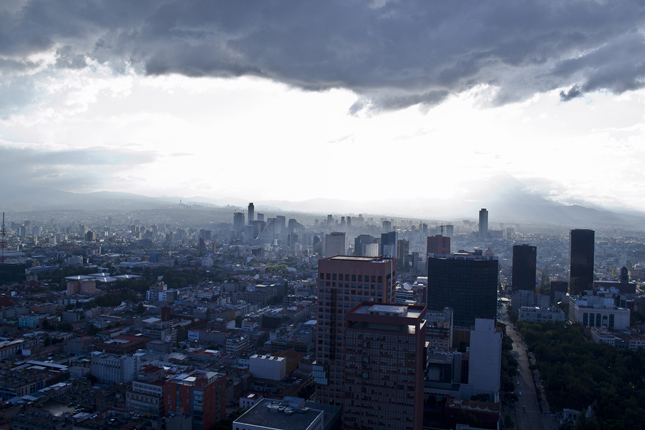
Mexico City, Parched and Sinking, Faces a Water Crisis
›February 20, 2017 // By Wilson Center StaffMEXICO CITY – On bad days, you can smell the stench from a mile away, drifting over a nowhere sprawl of highways and office parks.
-
Introducing “Choke Point: Tamil Nadu,” a Look Inside One Indian State’s Struggle With Severe Water Stress
›TUTICORIN, India – Among the 75 government agencies that manage and regulate this bewitching and often impassioned nation, there is no Ministry of the Future. There should be.
-
Building a Locus of Control: Protecting Yourself From “Climate Trauma”
›January 23, 2017 // By Lynae BresserWith countries declaring drought emergencies and islands facing inundation, it can be difficult to turn away from the big picture when it comes to climate change. If we are to build a climate-resilient society, though, we must look to resilience at its origins, says one group of experts: the individual.
Showing posts from category flooding.